
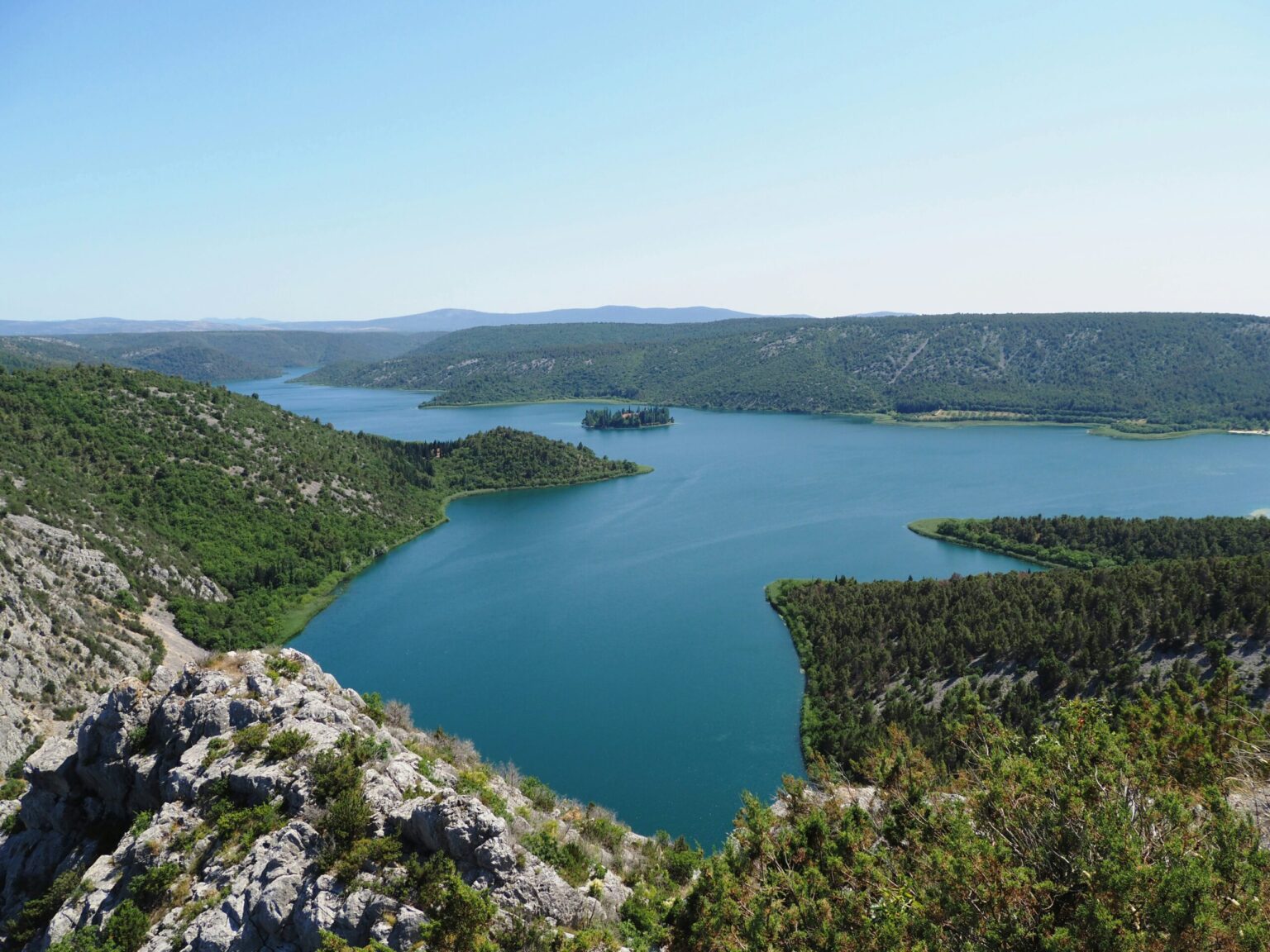
Zagorje Mountains Nature Park is located an hour’s drive from the Croatian capital Zagreb. The park spans over 30,000 hectares of historic villages, natural wonders, and stunning views.
For the first time since the establishment of the Dinara Nature Park in 2021, Croatia has added a new nature park to its collection. The Zagorje Mountains Nature Park marks the country’s 13th protected nature reserve, meaning some 38.6% of Croatia’s land surface is now protected.
At a one-hour drive from the Croatian capital Zagreb, the new nature park spans over a surface of 30,000 hectares, including hills, forests, castles, and idyllic villages. It stretches over two counties, Krapina-Zagorje and Varaždin, in Northern Croatia.
“Croatia is known for its coastline and islands, but this new nature park highlights the extraordinary landscapes of our inland regions. The Zagorje Mountains offer a different perspective of Croatia – one of forests, hills, castles and outdoor adventure, and it’s just a short journey from Zagreb,” Bisera Fabrio, director of the Croatian national tourist office in the UK, told Time Out.
Some of the highlights of the newly-created nature park include the 13th-century Trakošćan Castle, the prehistoric Vindija Cave, the Ravna Gora mountain, and the Ivanščica Mountain.
Standing at 1,061 meters above sea level, Ivanščica is the highest mountain in northwestern Croatia, and a popular spot for outdoor lovers. The area offers both family-friendly hikes and trails for those who are keen on adventure. The so-called Pyramid on the mountain, an iron tower dating back to 1929, offers some of the best views over the region, reaching as far as the Slovenian Alps and Hungary.
The project to turn the Zagorje Mountains into a nature park dates back to 2009, and a final report confirming the region’s outstanding natural value was handed over in 2024. This is further underlined by the fact that part of the new park is part of the European ecological network Natura 2000.
While nature parks are managed less strictly than national parks, thus allowing the daily lives of their inhabitants to continue, all while paying attention to the natural surroundings, as a nature park, the region will have easier access to funding to protect its biodiversity. According to Croatia’s Ministry of Environmental Protection, approximately one-fifth of the total Croatian flora can be found within the park, including 1,200 species and subspecies.