

26
Mar 2026
The European Union will launch ETIAS in 2026, requiring visa-exempt travelers to obtain pre-travel authorization before entering Schengen member states.
Framed within the EU’s “war on terror,” ETIAS screens travelers in advance using systems linked to Europol.
This guide explains how ETIAS works, what it checks, and how it affects your travel plans.
What ETIAS is and Why it was Introduced
The European Travel Information and Authorization System (ETIAS) is a new entry requirement designed to screen visa-exempt travelers before they reach Europe. It was introduced to strengthen border control and support counter-terrorism efforts across EU countries.
ETIAS as a Travel Authorization System
ETIAS is a digital travel authorization required before entering many European countries in the Schengen area. It applies to travelers who do not need a visa, including visitors from places like the United States and Australia.
You apply online by submitting personal details, passport information, and travel plans. The system links your approval directly to your passport, which is checked before boarding and again at the external border.
ETIAS allows short stays of up to 90 days within a 180-day period. It remains valid for up to three years or until your passport expires.
ETIAS does not apply to EU citizens, who can travel freely between EU countries. It also does not replace a visa for long-term stays or work.
Why the EU Introduced ETIAS
The European Commission introduced ETIAS to address growing security concerns linked to cross-border travel. The goal is to screen travelers before arrival instead of relying only on checks at the border.
ETIAS connects to multiple security databases used by law enforcement, including the Schengen Information System and Interpol. These checks help identify individuals linked to crime, security threats, or previous immigration violations.
You will be asked about criminal history, past travel to conflict zones, and prior decisions to leave a country. This information allows authorities in European countries to assess risk before you travel.
The system also supports cooperation between agencies across France and other EU countries. It gives border officials advance access to traveler data, which helps them prepare for arrivals.

How ETIAS Screening Works Before You Travel
ETIAS screening works by checking your information before you board a flight or reach a European border. It uses automated systems and security databases to assess risk early and support border security.
Information Required in an ETIAS Application
When you submit an ETIAS application, you provide personal details, passport data, and travel plans linked to your travel document. You also answer questions about criminal records, past travel, and immigration history.
The application asks for specific disclosures that help authorities assess risk. These include:
- Past convictions or involvement in serious crime
- Travel to conflict zones linked to terrorist attacks
- Previous deportations or entry refusals
You must confirm that all information is accurate before submitting. Incorrect or missing details can lead to refusals or delays in processing.
The ETIAS system stores this data securely and uses it only for screening purposes. It operates under EU rules that protect your fundamental rights and personal data.
Automated Checks and Risk Assessment
After submission, your data is checked automatically across multiple security databases. These checks compare your details against records linked to crime, immigration issues, and security alerts.
The ETIAS system works alongside tools like the Entry/Exit System (EES), which records entries, exits, and entry refusals at border crossings. This shared data helps authorities track travel patterns and detect irregular movement.
Most applications are approved within minutes when no issues are found. Some cases require manual review if the system detects potential risks.
You may be asked to provide additional documents or attend an interview. These steps help clarify information and confirm your eligibility to travel.
This process allows authorities to review your profile before you reach the European border. It reduces pressure on border officers and supports faster decisions upon arrival.
This shift toward pre-travel screening reflects a broader approach to managing risks at the external border. It focuses on identifying potential issues early, rather than reacting after a traveler has already entered.

ETIAS and the EU’s War on Terror
ETIAS supports the EU’s war on terror by screening travelers before they enter Europe. It allows authorities to detect potential risks early and manage visa-free travel more securely.
Identifying Potential Security Threats Before Arrival
The ETIAS application process requires you to disclose information that helps identify possible threats. This includes past travel to high-risk areas such as Iraq or Syria, along with any criminal history.
Authorities use this data to assess links to activities like radicalization or money laundering. Your answers are checked against databases and a watchlist to flag individuals who may require further review.
This early screening helps reduce risks linked to uncontrolled travel. It allows authorities to act before a traveler boards a flight rather than after arrival.
Key risk indicators reviewed during screening include:
- Travel to conflict zones or unstable regions
- Past involvement in serious crime or financial offenses
- Previous immigration violations or security alerts
This system focuses on prevention by using data to identify concerns at an early stage.
Supporting Border Authorities and Law Enforcement
ETIAS gives border guards access to pre-screened traveler information before you reach the checkpoint. This allows faster and more informed decisions at entry points across Europe.
Authorities in countries like Belgium can review alerts linked to your profile before arrival. This supports coordination between national agencies and law enforcement.
Border guards still carry out checks when you arrive. They verify your documents and confirm that you meet entry conditions based on the information already assessed.
This layered approach improves efficiency at entry points. It combines pre-travel screening with on-site verification to manage risks more effectively.
What This Means for Visa-Exempt Travelers
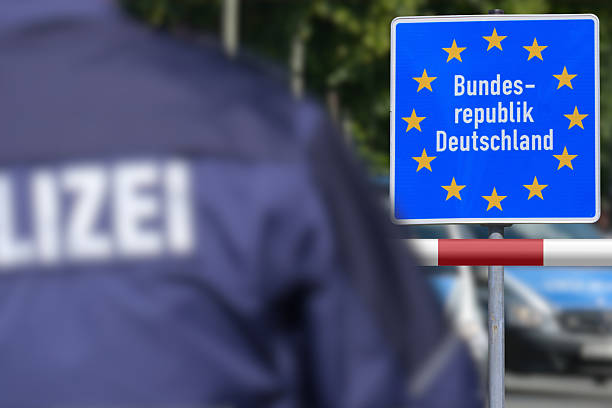
ETIAS changes how you prepare for travel by requiring approval before you reach EU borders. It adds a security step that affects how you apply, how your data is reviewed, and how decisions are made across EU member states.
Who Needs to Apply for ETIAS
If you are from a visa-exempt country, you must apply for ETIAS before traveling to most European destinations. This applies to short stays and is enforced across EU member states participating in the system.
You will need approval before boarding a flight or entering the region. Without it, you may be denied access at departure or upon arrival.
An ETIAS is required if you:
- Hold a passport from a visa-exempt country
- Plan to stay for up to 90 days
- Are traveling for tourism, business, or transit
Applications are reviewed through systems coordinated at the EU level, with oversight linked to Home Affairs in Brussels. Each country also operates through a national unit that can review flagged cases.
How Security Screening May Affect Your Application
Your application is checked against multiple databases to support internal security across the region. This process relies on interoperability between EU systems to compare your data efficiently.
Most applications are approved quickly when no issues appear. Some may take longer if your profile requires additional checks or manual review.
You may face delays if your application raises questions related to:
- Past travel patterns
- Immigration history
- Security-related records
Authorities may request more information before making a decision. Your data is handled under strict data protection rules, and access is limited to authorized personnel.
Each EU member state has the authority to review and decide on applications through its national unit. This means your outcome depends on both automated checks and human assessment within the system.
Practical Tips to Avoid Issues with ETIAS Security Checks
You can avoid most ETIAS issues by preparing your application carefully and understanding how screening works. Clear, accurate information helps reduce delays and lowers the risk of problems during review.
Providing Accurate and Complete Information
Start by entering your personal and passport details exactly as they appear on your travel document. Even small errors can lead to mismatches that affect your approval.
Be honest when answering questions about criminal history or past travel. The system checks your responses against databases linked to the Visa Information System, so inconsistencies can raise flags.
Pay attention to these common mistakes:
- Misspelled names or incorrect passport numbers
- Missing details about previous travel
- Incomplete answers to security questions
Accurate information reduces the chance of being flagged for additional checks. It also helps ensure your application is processed without unnecessary delays.
Applying Early and Preparing for Delays
You should apply well before your planned departure date. While many applications are processed quickly, some may require extra time for review.
Delays can happen if your profile needs further assessment related to travel history or possible links to terrorist activities. This does not mean refusal, but it may require additional verification.
Applying early gives you time to respond if authorities request more information. It also helps avoid last-minute issues that could disrupt your trip.
If you plan to visit countries like Spain, allow extra time during peak travel periods. High application volumes can slow down processing times.
Understanding Your Rights if Your Application Is Refused
If your application is refused, you will receive a reason for the decision. You also have the right to appeal through the authority responsible for the decision.
Refusals may happen if there are concerns about security, including links to terrorist threats or incomplete information. You can reapply after correcting errors or providing updated details.
Keep in mind that ETIAS applies to third-country nationals traveling without a visa. This means your application is part of a broader system designed to assess risk before entry.
You should review your application carefully before submitting it to avoid issues. If refused, follow the appeal process or submit a new application with corrected information.
Prepare for ETIAS: Travel to Europe with Confidence
ETIAS is a pre-travel screening system designed to support the EU’s war on terror by identifying risks before you arrive. It works alongside border checks and does not guarantee entry into Europe.
To avoid delays, apply early, provide accurate details, and understand how the system reviews your information. Taking these steps will help ensure a smooth and stress-free journey.