
Tista’ taqra bil-
Malti.
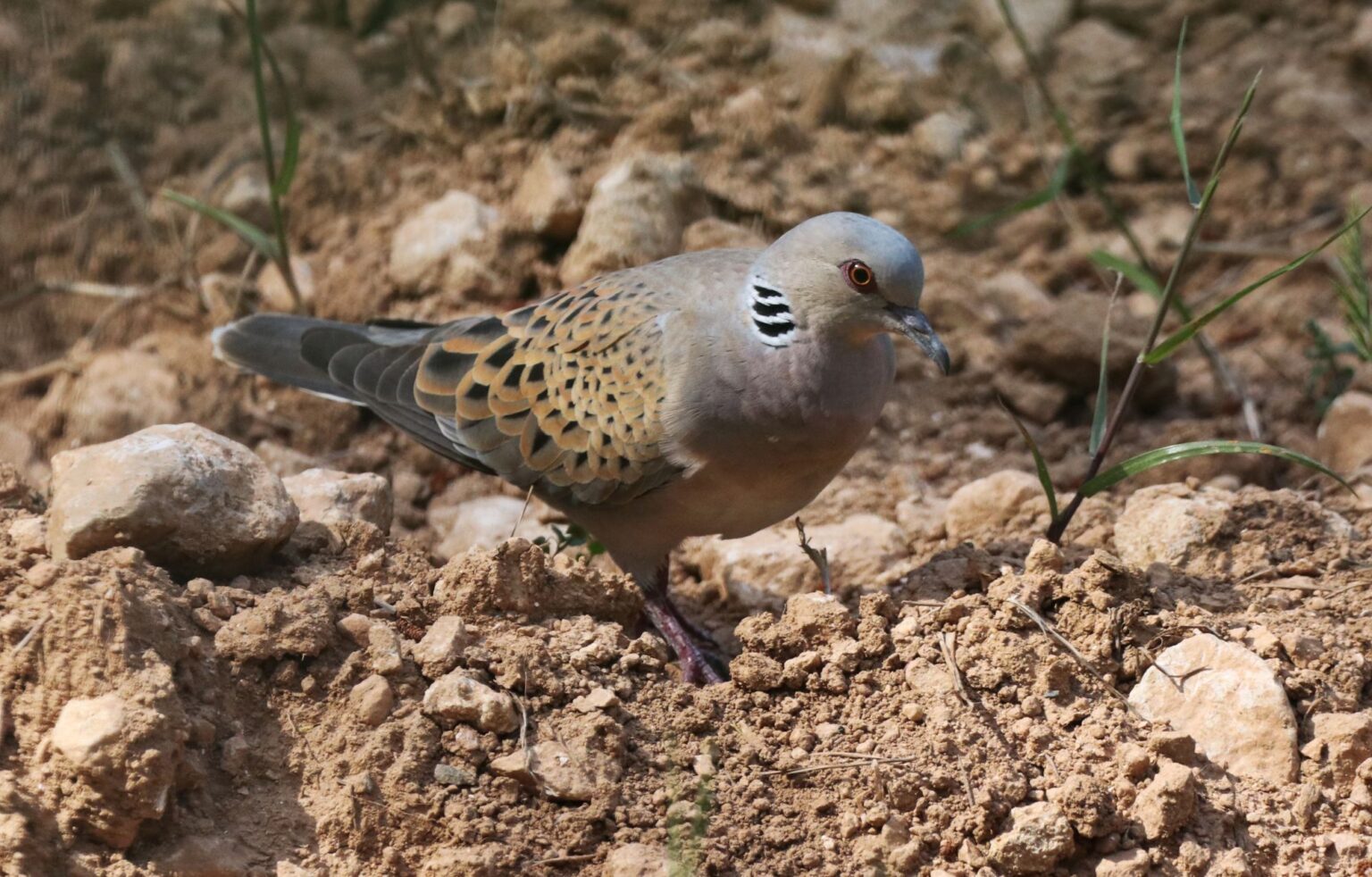
The latest EU data has confirmed that European turtle dove numbers have continued to decline, with BirdLife Malta adamant that the figures meant that Malta could not justify a spring hunting season.
The NGO presented its report on the basis of the latest reporting data collected under Article 12 of the Birds Directive – which requires member states to periodically report on the status and trends of bird populations – on Tuesday.
The previous reporting cycle which covered 2013-2018 had already indicated that the EU’s breeding population of European turtle doves (Streptopelia turtur) was declining in both the short-term and the long-term.
The new data covering the period 2019-2024 shows that 13 countries forming part of the “central-eastern flyway” for the species reported significant declines: Romania did not submit data, while neighbouring Bulgaria reported a stable trend.
BirdLife said that this data vindicated its stance on spring hunting, as applying it to the mathematical framework used by the Wild Birds Regulation Unit to justify spring hunting confirmed population declines of over 23% in the short-term or long-term.
Malta had implemented a moratorium on the spring hunting of turtle doves in 2017, only to lift it on the next election year – 2022 – in a decision seemingly motivated by electoral considerations and which was announced in the middle of an electoral campaign.
Malta continued to rely on outdated data as it kept opening a spring hunting season every year, and in its report, BirdLife Malta also called out the use of a “flawed” methodology which the WBRU used to assume that the population of turtle-doves flying over Malta was stable or increasing.
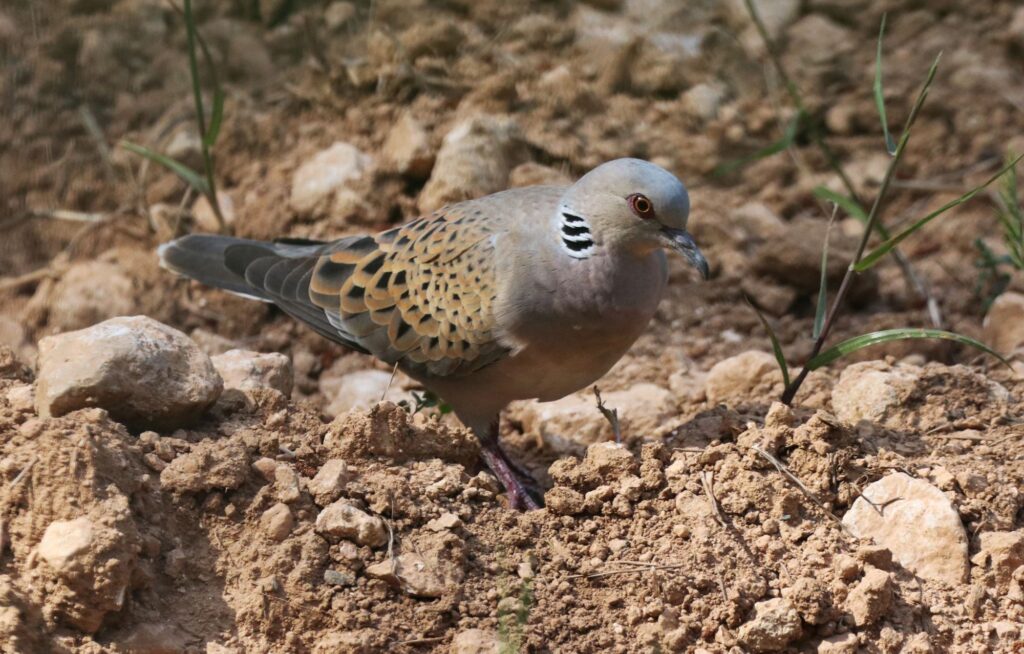 A turtle dove in Buskett, photographed in May 2025.
Photo: Aron TantiThe selective assumptions helping justify spring hunting
The report highlighted that Malta selected a subset of countries based on what it termed as a “reference population” of turtle-doves, derived from bird ringing recoveries and satellite tracking data.
This approach, however, relied on various assumptions, including the assumption that a ringing location is evidence of breeding origin, that no data meant no migration was taking place, that new records implied new migration routes, that sample proportions reflected real populations and that captive-bred birds behaved like wild birds.
All these assumptions, BirdLife Malta said, deviated from the “precautionary principle:” a fundamental approach to environmental decision-making which emphasises the prevention of harm where there is scientific uncertainty.
Instead, Malta applied any doubts in hunters’ favour.
BirdLife Malta calls for new moratorium
In light of the new data, and with a new spring hunting imminent, BirdLife Malta explicitly called for the introduction of a new moratorium on the same legal and conservation grounds that led to the 2017 moratorium.
It said that this moratorium must be in place for at least six years, until the next Article 12 data is published in 2032, but should in any case be kept in place “until clear and demonstrable recovery of the species is achieved.”
“The latest Article 12 data leaves no room for doubt. The turtle-dove continues to decline across the flyway, and this is the most up-to-date and robust scientific evidence available,” BirdLife Malta chief executive Mark Sultana said.
“This report vindicates what BirdLife Malta has been long stating at Ornis Committee, in the Law Courts and in communication with government.”

