
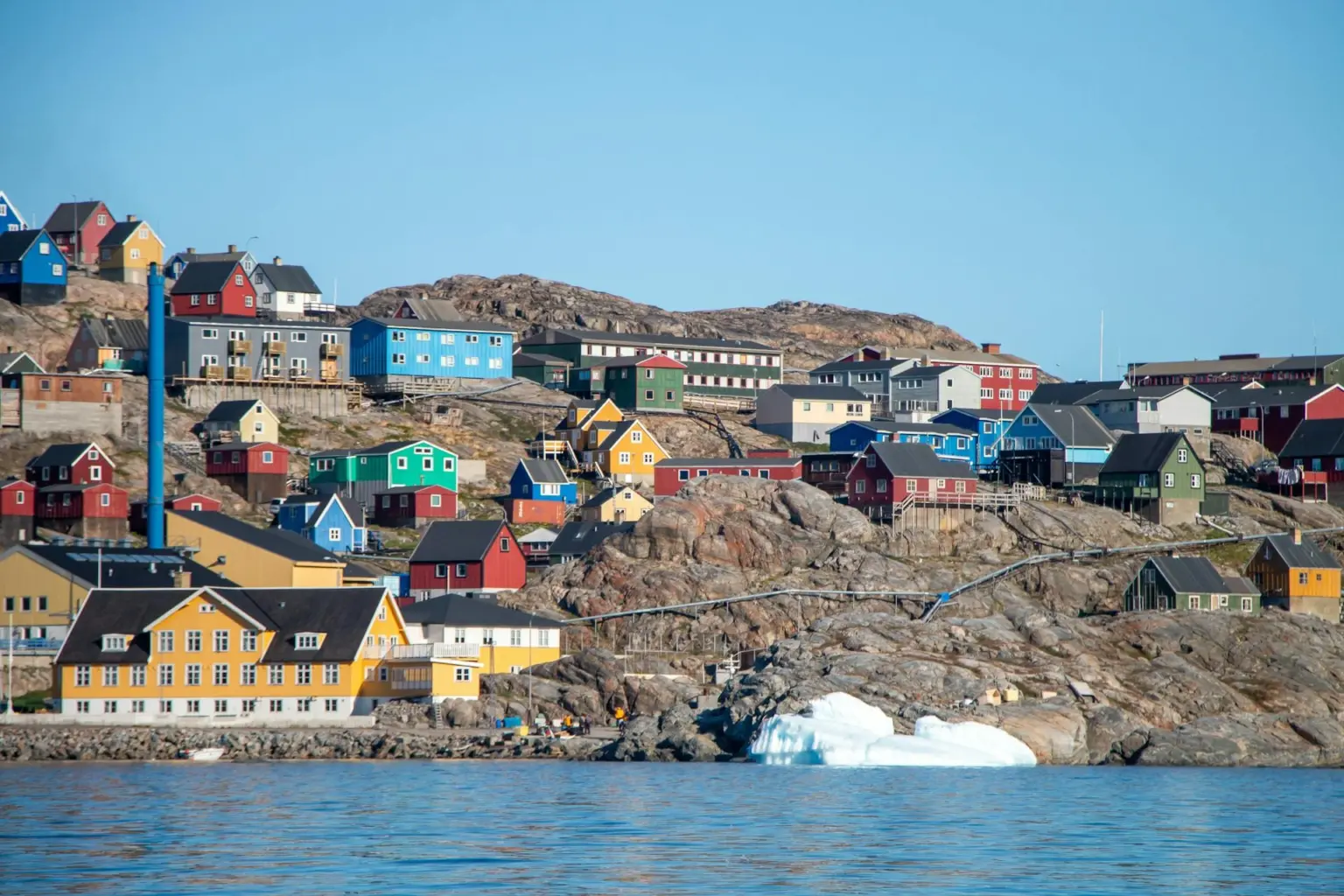
COPENHAGEN— Denmark quietly prepared contingency plans to defend Greenland from a potential U.S. military move, including destroying airport runways at Nuuk (GOH) and Kangerlussuaq (SFJ) to block American forces from landing. The plans were developed amid growing concern over Washington’s increasingly assertive foreign policy under President Donald Trump.
A coalition of European nations, including France, Germany, Norway, and Sweden, coordinated military support for Denmark under the cover of “Operation Arctic Endurance.” The episode has exposed a deep trust deficit between the United States and its closest NATO allies.
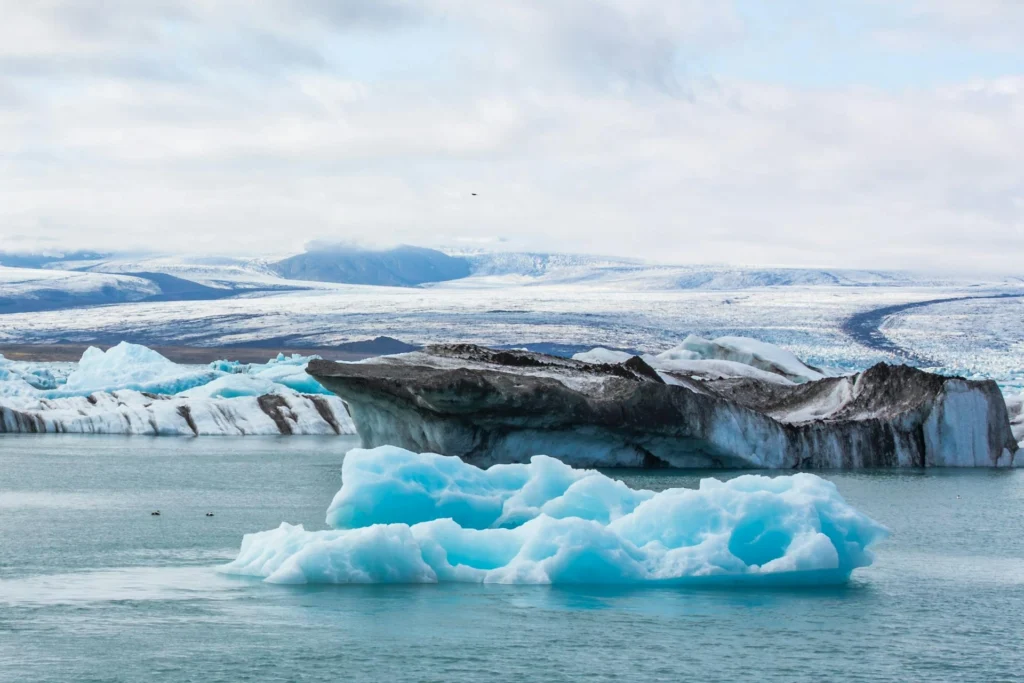 Photo: Photo by Fahad AlAni: https://www.pexels.com/photo/frozen-sea-coast-of-greenland-17737294/
Denmark’s Secret Defense Plan for Greenland
Danish military planners developed detailed scenarios in January, citing intelligence inputs and political signals from Washington.
According to Denmark’s public broadcaster DR, which cited 12 sources from the Danish government, military, and allied European nations, the operation was kept at the highest level of secrecy.
Plans included deploying troops equipped with explosives to disable runways at Nuuk (GOH) and Kangerlussuaq (SFJ), along with stockpiling blood supplies to treat potential casualties.
A small contingent of troops from Denmark, France, Germany, Norway, and Sweden was deployed to Greenland’s capital and its strategic airport. Danish aircraft and a French naval vessel were also positioned in the North Atlantic.
Officially, the deployment was framed as routine joint military exercises. However, its real purpose, according to DR, was to raise the cost of any potential U.S. intervention. As one Danish defence source stated, the U.S. would have had to carry out a hostile act to gain access to Greenland.
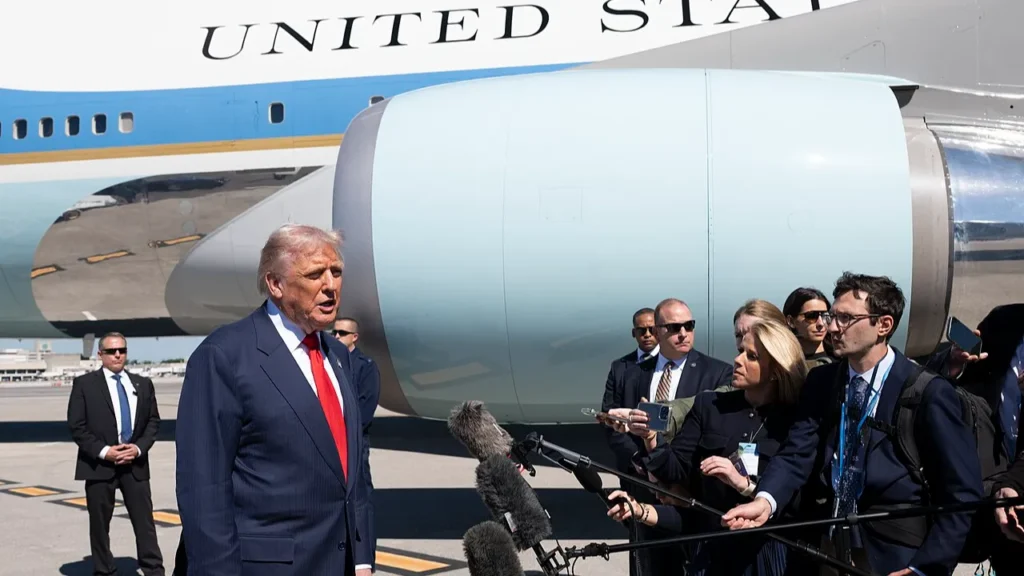 Photo: The White House
The Venezuela Turning Point
The crisis sharpened significantly after a U.S. military operation on January 3, in which American forces seized Venezuelan President Nicolás Maduro. The move sent shockwaves through allied capitals and reinforced concerns about an unpredictable U.S. foreign policy direction.
The very next day, Trump signaled that Greenland could follow. He described the island as strategically vital, citing unverified claims about Russian and Chinese naval vessels operating extensively in the region.
A senior Danish security source told DR that the Venezuela operation was the moment allied planners began taking all scenarios seriously.
European officials echoed the concern. One official told the Financial Times that after Venezuela, Washington appeared emboldened to act unilaterally on territorial ambitions.
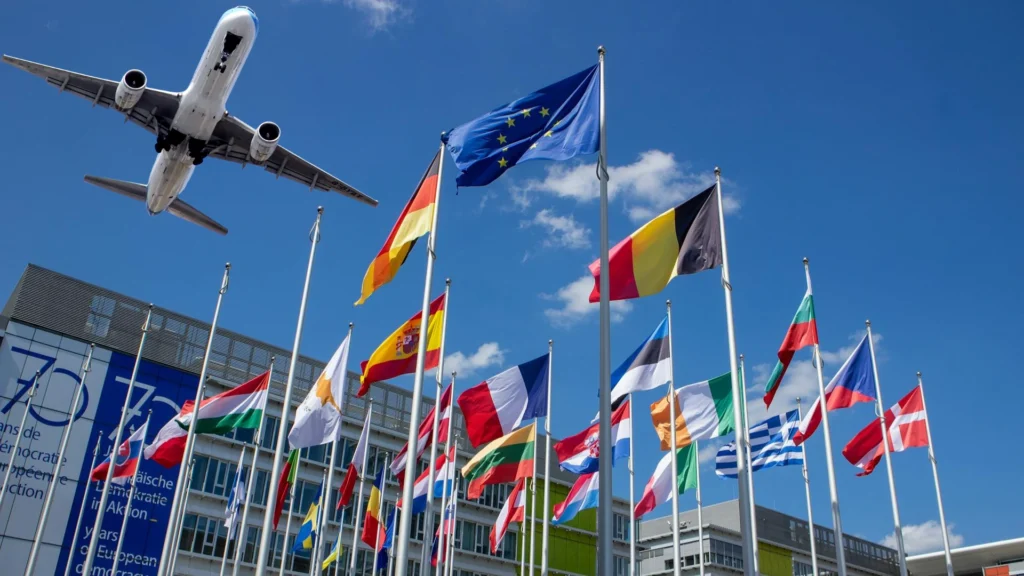 Photo: Pexels and Compounded by Aviation A2Z
European Solidarity and Military Deterrence
Denmark moved quickly to build a united European front. France, Germany, Norway, and Sweden extended both political and military support, signaling that any move against Greenland would be treated as a broader European concern rather than a bilateral dispute.
Tom Roseth, a professor of intelligence studies at the Norwegian Defense University College, described the situation as highly serious. He noted that the visible military presence and solidarity likely played a role in moderating Washington’s position.
According to Roseth, the Americans could not simply arrive with a small force and raise a flag if they had ever seriously considered doing so.
Denmark’s Defence Minister Troels Lund Poulsen acknowledged the defensive posture publicly in mid-January, stating that Danish forces operated under orders to defend the Kingdom if attacked.
He described a U.S. attack on Greenland as entirely hypothetical, though preparations continued at a high level of readiness behind closed doors.
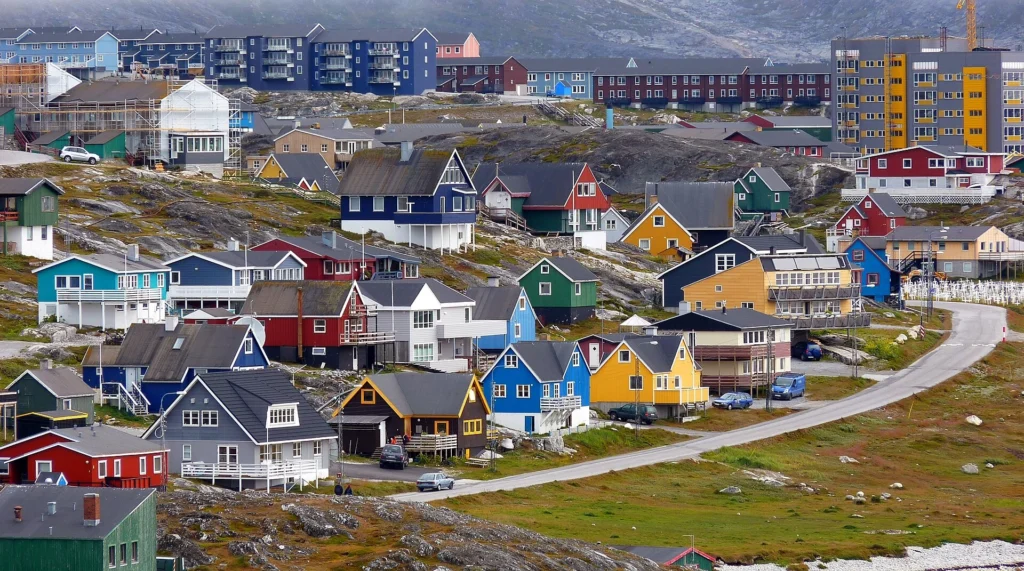 Photo: By patano, CC BY-SA 3.0, https://commons.wikimedia.org/w/index.php?curid=52944311
Political Fallout in the United States
The revelations triggered sharp reactions among U.S. lawmakers. Representative Mike Levin called the reports alarming and said the situation should be front-page news across America.
He highlighted the gravity of NATO allies, nations whose soldiers have fought alongside American forces for decades, quietly preparing to defend against a U.S. military action.
Levin warned that the episode handed Russia and China exactly what they have long sought: an America isolated from its traditional partners. He argued that fewer allies do not strengthen the United States but instead leave it more vulnerable on the global stage.
 Copenhagen, Denmark; Photo- Visit Copenhagen
Greenland’s Strategic Value and Trump’s Rhetoric
Greenland holds significant strategic value due to its location in the Arctic, its proximity to key international shipping lanes, and its vast untapped natural resources.
It is an autonomous territory within the Kingdom of Denmark, and both nations are NATO members, making the episode especially extraordinary from a legal and alliance standpoint.
Trump has repeatedly argued that the United States needs Greenland for national security reasons. Despite the heightened rhetoric, U.S. military officials stated at the time that there were no active plans to invade the territory.
Trump later attempted to reduce tensions. Speaking at the World Economic Forum in Davos on January 21, he said the United States was not seeking to use force and called for immediate negotiations. However, the episode had already left a lasting mark on transatlantic relations.
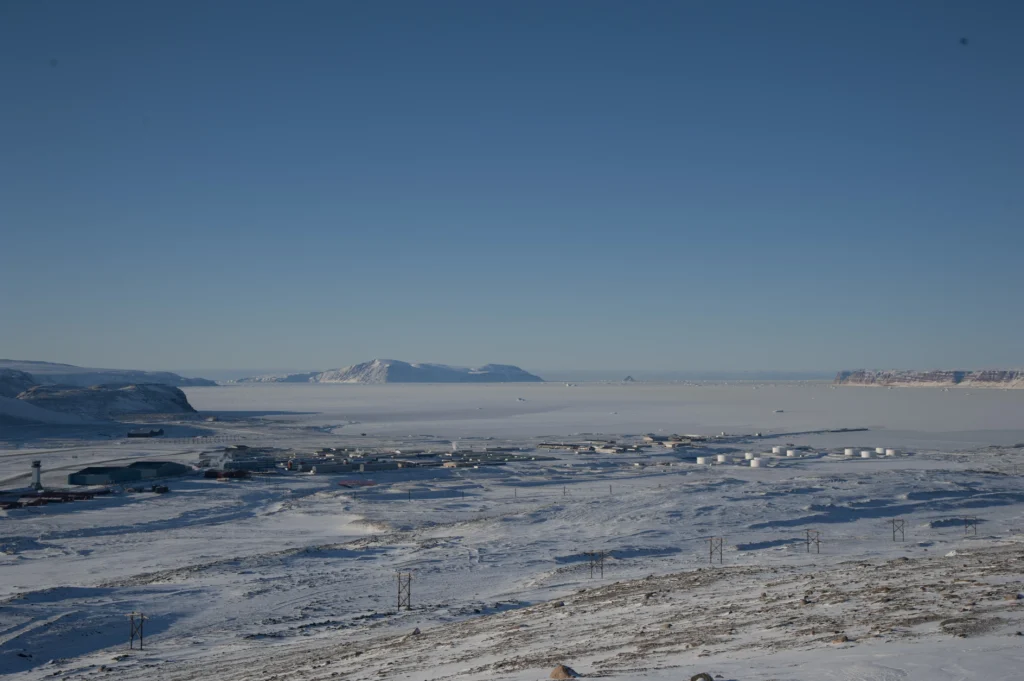 Photo: United States Space Force
Broader Impact on U.S. Alliance Relations
The Greenland episode has unfolded alongside growing reluctance among U.S. allies to support American military actions in Iran.
Trump sought NATO backing for operations in the Persian Gulf, but European nations declined. Key Indo-Pacific partners, including Japan and Australia, also chose not to deploy naval forces despite disruptions around the Strait of Hormuz.
Many European governments have reportedly viewed the Iran conflict as unnecessary, further contributing to their decision to distance themselves from Washington’s military initiatives. Analysts suggest the combination of the Iran conflict and the Greenland episode marks a significant shift in how allies perceive U.S. leadership.
Stay tuned with us. Further, follow us on social media for the latest updates.
Join us on Telegram Group for the Latest Aviation Updates. Subsequently, follow us on Google News