
A potential new government, tax rebates, the Easter holidays and the release of organic cows from their winter barns. Here are some of the changes to look forward to in Denmark this April.
New government to (possibly) take office
Denmark had a general election on March 24th. Because neither the left nor right-wing bloc of parties took an overall majority, negotiations to form the next government could stretch out.
In comparable (but technically slightly simpler) circumstances in 2022, it took around six weeks to form a government after the election, so April might not actually be long enough.
If the government is announced this month, we could see the new parliament start work to pass new laws, a process that itself can stretch to months at a time.
Many international residents of Denmark may be hoping for quick clarification on citizenship rules so that the Immigration Ministry starts processing cases again.
It’s possible (but not guaranteed) that a high-priority area like citizenship could be given early focus by the new government, so there’s reason to be cautiously optimistic that we might get an update before parliament goes on its summer break, though perhaps not in April itself.
READ ALSO: How will Danish citizenship freeze affect ongoing applications?
Tax rebates to be paid out
Denmark’s tax authority SKAT opened access to annual tax statements on March 23rd.
Annual tax returns (årsopgørelser) in Denmark cover calendar years. They are released in March and finalised in late spring, meaning taxpayers have this period to correct the information on their tax returns from the previous calendar year.
The returns account for income over the preceding tax year as well as deductions and taxes paid.
Normally, around three in four people receive money back from the tax authorities once the return is finalised. The amount paid back varies and depends on individual circumstances.
Rebates from the tax system are due to be paid back in 2026 from April 25th onwards, so if you have already logged in and completed your annual return (or do it soon) you could receive any money due in April. In some cases, it may take longer for the tax authority to pay out rebates.
READ ALSO: Årsopgørelse: What foreigners in Denmark should know about annual tax statements
Advertisement
Easter holidays
The Easter holidays fall earlier than they did in 2025 and technically begin in March, if you count the school Easter holidays which begin on Monday March 30th. Incidentally that’s the day after Denmark’s clocks switch to summertime.
The school Easter holidays end at the same time as the national holiday after Easter Monday, April 6th.
This means that by taking a couple of days leave from work, you may be able to get an extended holiday using the public holidays that fall around Easter (Maundy Thursday and Good Friday as well as Easter Monday).
Specifically, Easter public holidays fall on Palm Sunday as well as Maundy Thursday on April 2nd, Good Friday on April 3rd, Easter Sunday on April 5th and Easter Monday on April 6th.
Some people will have the entire week off to match up with schools, but even those who don’t will enjoy a five-day break from work (unless their job requires them to work holidays).
READ ALSO: How to make the most of Denmark’s public holidays in 2026
Advertisement
Switch to summer tyres
It’s not a legal requirement to use summer tyres in Denmark, although you can be fined in winter for not using appropriate tyres in freezing conditions.
Although many motorists opt for all-purpose tyres or helårsdæk, the use of winter and summer tyres is broadly recommended, including by FDM, the Danish membership organisation for motorists.
Neighbouring Sweden, Norway and Germany – where many Danish residents head on skiing and other holidays during the colder months – all have rules requiring winter tyres and the practice is common in Denmark, not least for those who may need to take their cars over the border.
Most people switch back to summer tyres at Easter or in late April, which is around the time the temperature stays above 7 degrees Celsius overnight – often quoted as a guideline for when you can make the change.
‘Organic Day’ as cows let out of barns
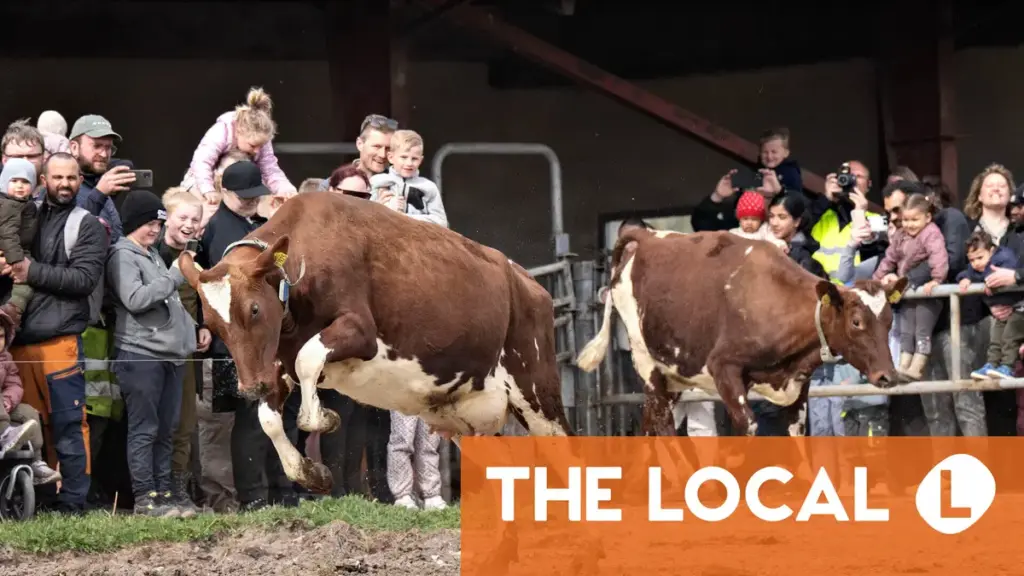
Økodag or “Organic Day”, when organic farms release cows from their winter enclosures, takes place on April 12th. The day features farms opening to the public and the cows being let onto the spring grass, often hopping joyously as they do so.
Farms across Denmark open for the occasion – you can look up a location near you on the Økodag website and book a place (many farms sell out).
The annual event has taken place since 2005, with the public invited to watch as the animals roam enthusiastically onto the spring grass, often appearing to jump with joy.
Tens of thousands of people across the country typically attend the event.