
By Whitney Painter
Colorado lawmakers have a pivotal opportunity to strengthen the state’s economic competitiveness during the 2026 legislative session. Two policies on the table would cut pollution, stabilize energy costs and meet surging electricity demand — while unlocking major private sector investment and fueling the growth of Colorado’s clean energy workforce.
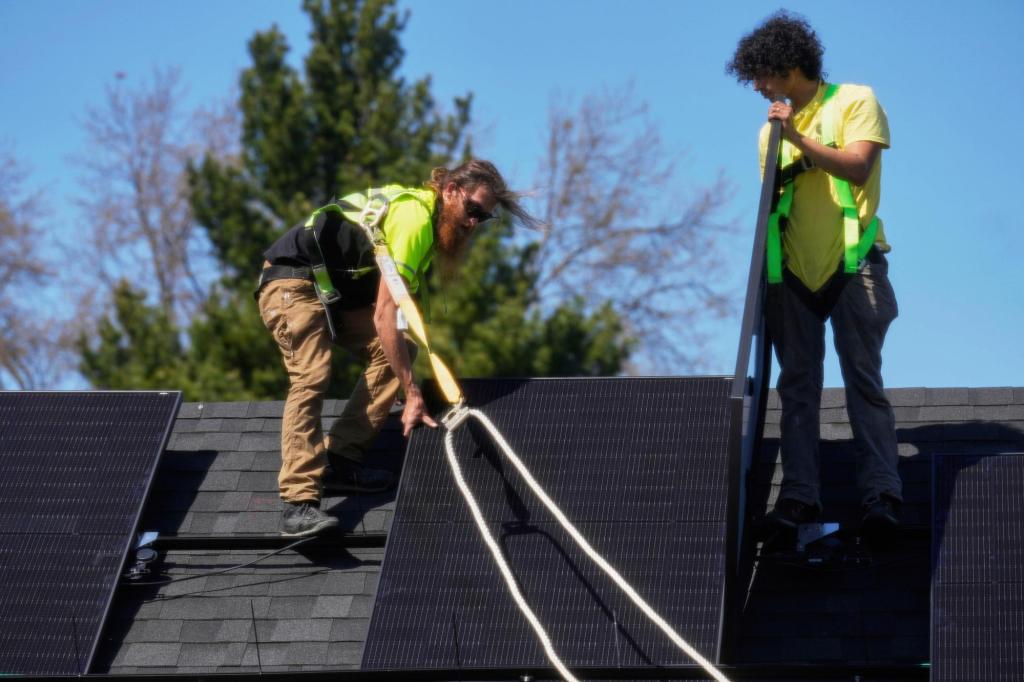
As the cofounder of a solar and battery storage company, I’m one of 70,000 Coloradans working in the clean energy economy. While the state’s overall economy contracted by 0.4% in 2024, clean energy jobs grew by 4.1% — part of nearly 20% sector growth over the past four years. That momentum isn’t an accident; it’s the result of smart policy. Lawmakers now have the chance to strengthen the state’s position by passing SB26-102 (Large Load Data Centers) and advancing clean electricity standards.
Establishing clean electricity standards through 2050 gives utilities a clear, practical path to deliver reliable, affordable power while cutting emissions. For a state facing costly climate-driven disasters — from hail to wildfires to record low snowpack this winter — reducing risk is simply good business.
Eliminating emissions from Colorado’s power sector isn’t just achievable; it’s financially prudent. Solar, wind and battery storage are now the lowest cost, fastest to deploy energy resources available, and their prices continue to fall. As electricity demand rises, clean energy is the most effective way to keep costs stable for ratepayers. Clear, consistent policy will attract major investment, accelerate clean energy development, and advance Colorado’s already robust clean energy economy.
Data centers are one of the biggest drivers of rising electricity demand — and rising costs — putting pressure on utilities and slowing the transition away from costly fossil fuels. Colorado has an opportunity to get ahead of this trend with SB26-102. By requiring new data centers to run on 100% renewable electricity and pay their full cost to upgrade grid infrastructure, we can accommodate new data centers without passing costs onto ratepayers or jeopardizing the state’s climate goals.
With federal support for clean energy wavering and electricity demand climbing at an unprecedented pace, Colorado must create a stable, predictable clean energy market. That’s why it’s essential for lawmakers to act now by passing clean electricity standards and smart data center policy via SB26-102 in the 2026 session.
Whitney Painter is a co-owner of Buglet Solar & Battery Installation and the Colorado Chapter Director of E2, Economy + Environment.
To send a letter to the editor about this article, submit online or check out our guidelines for how to submit by email or mail.