
Published on
March 28, 2026
Image generated with Ai
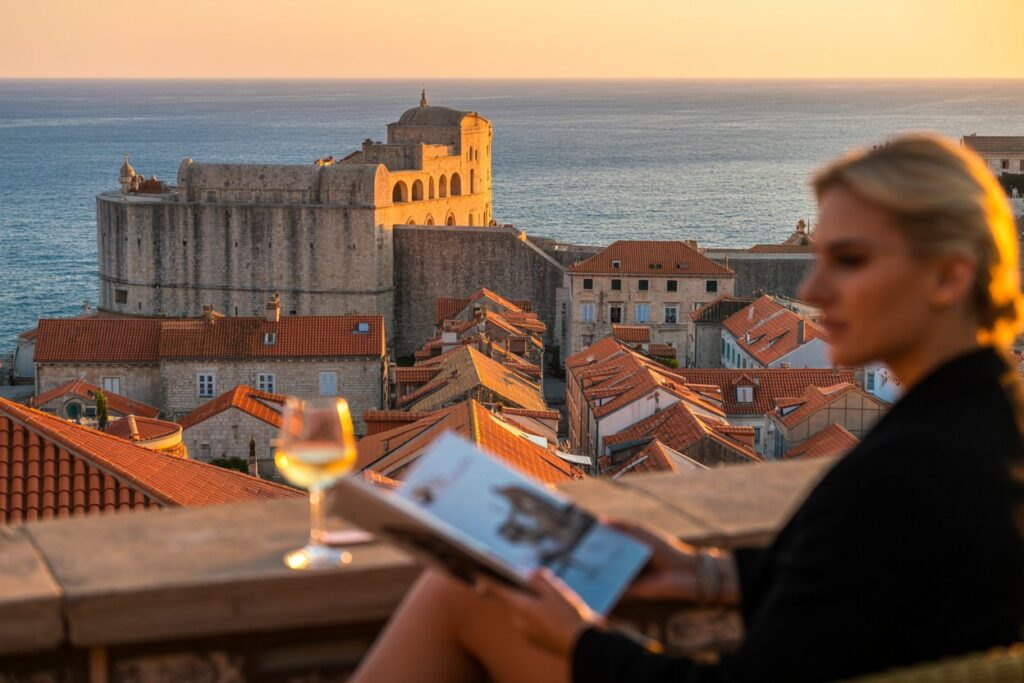
For years, Croatia has been the “golden child” of Mediterranean travel. With its sapphire-blue Adriatic waters, Roman ruins, and a coastline dotted with over a thousand islands, it is no wonder that over 20 million people flock to its shores annually. However, as we move into the 2026 travel season, the landscape for British holidaymakers has shifted.
The Foreign, Commonwealth and Development Office (FCDO) has recently issued a series of updates that every traveler needs to know before they touch down in Split, Dubrovnik, or Zadar. This isn’t just about packing the right gear; it’s about navigating a new era of European border bureaucracy and stricter local etiquette.
The Schengen “Stamping” Reality
Since Croatia’s full integration into the Schengen Area, the rules for British passport holders have become more rigid. As a non-EU national, your movements are now strictly tracked under the 90/180-day rule.
The FCDO’s latest alert emphasizes one critical administrative task: The Passport Stamp. * The Risk: If a border guard forgets to stamp your passport upon entry or exit, you could be accused of overstaying your visa-free limit.
Advertisement
Advertisement
- The Solution: Always check your passport before leaving the booth. If it isn’t stamped, ask the officer to do so. If you discover a missing stamp later, keep your boarding passes or flight tickets as physical proof of your travel dates.
Border Friction: The Slovenia-Croatia Checkpoints
While the Schengen Area is designed for border-free travel, 2026 has seen a return to “temporary” security measures. The FCDO has warned of heightened border checks between Croatia and Slovenia.
These checks are in place to monitor regional security and can result in significant traffic delays, particularly during the peak summer months. Travelers driving from Ljubljana to Zagreb or coastal Istria should be prepared for car inspections and must have their residency cards or passports ready for inspection at all times.
Advertisement
Advertisement
The “Cost” of Bad Behavior: On-the-Spot Fines
Perhaps the most “human” update in the 2026 guidance involves how you behave once you arrive. The historic centers of Dubrovnik and Split have become increasingly protective of their heritage. To combat antisocial behavior, local authorities have empowered police to issue on-the-spot fines of up to €4,000.
To avoid a very expensive holiday mistake, keep these rules in mind:
Advertisement
Advertisement
- Dress Code: Do not walk through town centers shirtless or in swimwear. Save the bikinis and trunks for the beach.
- Public Order: Drinking alcohol in public spaces (outside of licensed bars), sleeping in parks, or climbing on historic monuments will lead to immediate fines.
- Respect the Peace: Verbal abuse, fighting, or even “belittling” public officials can trigger the maximum fine threshold.
Safety & Security: Taxis and Nightlife
While Croatia remains one of the safest countries in Europe, the FCDO has highlighted two specific areas of concern for 2026:
- Gentlemen’s Clubs: There have been repeated reports of tourists being overcharged by thousands of euros in these establishments, often accompanied by threats of violence if the bill is not paid.
- Taxi Safety: Reports of sexual assaults in taxis have led the Foreign Office to recommend a “Safety First” approach. Before you pull away, take a photo of the taxi’s interior license number and send it to a friend. Use reputable apps where you can share your live ride status.
Hidden Dangers: Mines and Wildfires
For those venturing away from the coastal glitz and into the rugged interior, the 2026 advice carries a sobering reminder of the past. Unexploded landmines still exist in war-affected areas, including parts of Eastern Slavonia and remote sections of the Plitvice Lakes National Park. Always stay on marked paths and look for the red “Ne Prilazite” (Do Not Approach) signs.
Additionally, as Europe faces hotter summers, wildfires are a major threat from June to October. It is currently illegal to light outdoor fires or barbecues except in very specific designated areas. One discarded cigarette end can devastate a forest and lead to criminal charges.
Entry Requirements Checklist for 2026
Before you head to the airport, ensure you meet these “Three-Month Rules”:
- Passport Validity: Your passport must be issued less than 10 years before the date you arrive and must be valid for at least three months after the day you plan to leave.
- Proof of Funds: Border guards may ask for proof of accommodation and evidence that you have enough money for your stay.
- Travel Insurance: Ensure your policy specifically covers Croatia and does not exclude “Schengen-related” travel disruptions.
Conclusion: Informed Travel is Better Travel
Croatia remains a world-class destination, offering a blend of history and natural beauty that few places can match. These updates from the UK Foreign Office aren’t meant to discourage you; they are designed to ensure your memories are of the sunset over the Adriatic, not of a courtroom or a border queue.
Stay vigilant, respect the local culture, and keep that passport stamped. The Adriatic is waiting for you.
Advertisement
Advertisement
