
Published on
March 28, 2026
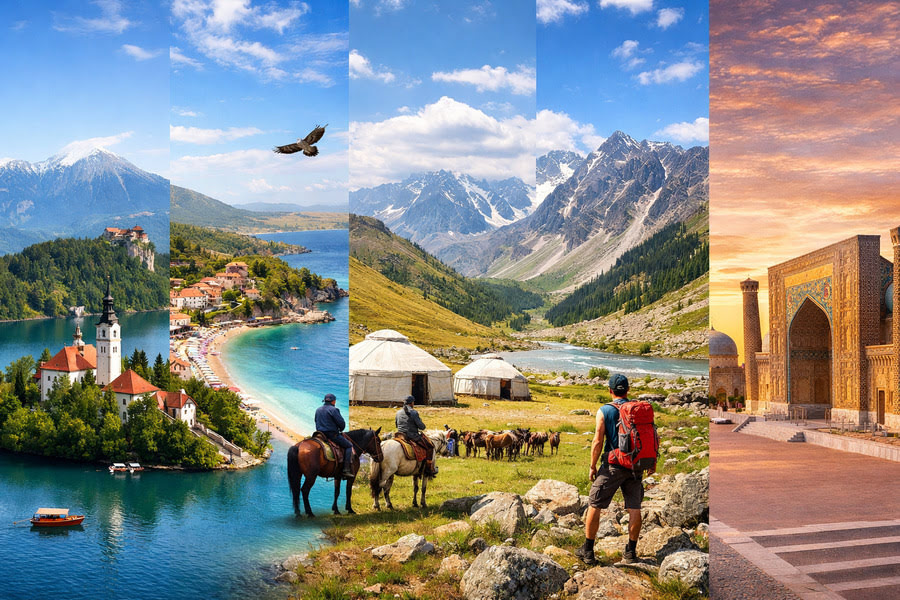
Image generated with Ai
Slovenia, along with Albania, Mongolia, Kyrgyzstan, and Uzbekistan, is rapidly establishing itself as a rising star in global tourism. Once overlooked, these countries are now attracting growing attention thanks to their stunning landscapes, vibrant cultures, and major infrastructure upgrades. Slovenia, known for its pristine lakes and mountains, leads the way in sustainable tourism, offering eco-conscious travelers a chance to enjoy natural beauty while preserving it. Albania, with its unspoiled beaches and quaint villages, provides an affordable alternative to crowded Mediterranean hotspots. Mongolia’s expansive steppes and nomadic traditions offer a unique adventure, while Kyrgyzstan’s majestic mountains and outdoor activities draw thrill-seekers. Uzbekistan, steeped in Silk Road history, is leveraging its cultural richness and improved accessibility.
What sets these destinations apart is their focus on transformative growth. Through significant investments in infrastructure, such as modern airports, expanded transport networks, and sustainability initiatives, these countries are becoming more accessible and appealing to global travelers. With their rich heritage and innovative tourism strategies, Slovenia, Albania, Mongolia, Kyrgyzstan, and Uzbekistan are on track to become major tourism hubs, offering unique, authentic experiences that are attracting a new wave of visitors.
As travel preferences shift, these nations, once hidden gems, are now emerging as the next big hotspots. Their blend of cultural treasures, natural wonders, and forward-thinking policies are positioning them as top contenders for future tourism growth, each offering distinct, immersive experiences that will captivate global travelers in the years to come.
Albania: A Mediterranean Secret
Nestled along the Ionian Sea, Albania is increasingly recognized for its stunning, unspoiled beaches and mountainous villages. As a budget-friendly alternative to more expensive Mediterranean destinations, Albania is becoming an appealing option for tourists seeking both adventure and relaxation. In 2025, Albania welcomed 12.47 million visitors, marking a 6.6% increase over the previous year.
Advertisement
Advertisement
Infrastructure & Accessibility
Albania’s tourism infrastructure is undergoing significant improvements. Major roadworks, including the Llogora Tunnel, have dramatically reduced travel times to the Albanian Riviera, opening up this once-hidden gem to more visitors. The expansion of the Tirana-Durrës highway and the construction of the new Port of Porto Romano are expected to further enhance accessibility. In addition, Albania is expanding its aviation network, including the construction of a new airport in the south, which will make the country even more accessible to international travelers.
Top Attractions
- Albanian Riviera: With its crystal-clear waters and dramatic cliffs, beaches like Ksamil and Dhermi are reminiscent of the Greek islands but without the crowds.
- Accursed Mountains: Known for breathtaking hiking trails, the Theth–Valbona trek has become one of Europe’s premier hiking routes.
- UNESCO Cities: Berat and Gjirokastër, famous for their Ottoman architecture and ancient stone houses, offer a rich cultural experience.
- Cuisine: A fusion of Mediterranean and Balkan flavors, with fresh seafood and farm-to-table meals that attract culinary enthusiasts.
Mongolia: A Nomadic Adventure
Mongolia, known for its vast, untamed landscapes and nomadic culture, is rapidly emerging as a must-visit destination. The country’s tourism numbers are soaring, with 808,956 visitors in 2024, and a 16% increase in 2025, signaling its growing appeal.
Advertisement
Advertisement
Government Initiatives & Infrastructure Expansion
The Mongolian government has launched the “Years to Visit Mongolia” campaign, aiming to attract 2 million visitors annually by 2030. To support this goal, the country has invested heavily in infrastructure, including the expansion of Chinggis Khaan International Airport and the development of new regional airports. Direct flight routes from the United States and other international destinations are further boosting Mongolia’s accessibility.
Key Attractions
- Gobi Desert: Home to iconic sites like the Singing Sands and Flaming Cliffs, as well as the discovery of the first dinosaur eggs.
- Chinggis Khaan Statue Complex: The world’s largest equestrian statue offers panoramic views of the surrounding landscape.
- Cultural Heritage: The Erdene Zuu Monastery, a UNESCO World Heritage site, showcases Mongolia’s rich spiritual and cultural history.
Uzbekistan: The Silk Road’s Renaissance
Uzbekistan, long celebrated for its historical cities along the ancient Silk Road, is experiencing a tourism resurgence. In 2025, the country recorded 11.7 million visitors, an almost 47% increase from 2024. By 2030, Uzbekistan aims to reach 20 million annual tourists.
Advertisement
Advertisement
Policy Reforms & Infrastructure Investment
Uzbekistan’s government has made substantial efforts to improve accessibility, including introducing visa-free entry for U.S. citizens for up to 30 days starting in 2026. Additionally, the country is implementing digital navigation systems and offering generous incentives, such as cashback for travel expenses and VAT refunds for tourists.
Key Attractions
- Samarkand: The heart of the Silk Road, with its iconic Registan Square and intricate blue-tiled madrasahs.
- Bukhara: A living museum, where the historic Old City offers a walk through centuries of Islamic architecture.
- Khiva: A UNESCO World Heritage site, Khiva’s Itchan Kala feels like stepping into a time capsule, with its ancient mud walls and towering minarets.
Kyrgyzstan: A Mountainous Paradise for Adventurers
Kyrgyzstan, once a lesser-known destination, is now emerging as a prime location for adventure and eco-tourism. The country’s tourism numbers have skyrocketed, with a record 21 million visitors in 2025.
Infrastructure & Sustainable Growth
The Kyrgyz government is heavily investing in the country’s tourism infrastructure. New tourist bases are being built in strategic locations, and ski resorts in the Issyk-Kul region are undergoing significant development. Digital nomadism is also on the rise, with long-term stays becoming more common, especially in urban hubs like Bishkek.
Key Tourist Highlights
- Issyk Kul: Known as the “Pearl of Central Asia,” this alpine lake offers a mix of stunning natural beauty, beaches, and resorts.
- Song-Kul Lake: A high-altitude lake where visitors can experience authentic nomadic life by staying in yurts and embarking on horse treks.
- Ala-Archa National Park: A scenic park just 40km from Bishkek, offering hiking trails and alpine meadows.
Slovenia: The Fairytale Destination
Slovenia, with its enchanting landscapes and commitment to sustainability, is quickly becoming a top destination for travelers seeking both beauty and responsibility. Known for stunning sites like Lake Bled and the Julian Alps, Slovenia’s tourism is on the rise, with increasing international recognition for its green travel initiatives.
Tourism Growth & Connectivity
Slovenia has made significant strides in increasing air connectivity, with new routes added to key destinations like Edinburgh, Amsterdam, and Madrid. The country’s growing reputation as a green travel leader has also earned it accolades, including being named a “Green Destination of the World.”
Key Attractions
- Lake Bled: A fairytale-like destination, famous for its medieval castle on a cliff and its picturesque island.
- Cultural Heritage: The town of Ptuj, recognized as the “Best Cultural Heritage Town in Europe,” and the Škofja Loka Passion Play, a UNESCO-listed performance, offer deep cultural experiences.
- Cycling: Slovenia’s reputation as a cycling destination continues to grow, boosted by the influence of international cyclists. Specialized cycling routes and accommodations cater to enthusiasts from around the world.
Conclusion: The Future of Travel
Slovenia, Albania, Mongolia, Kyrgyzstan, and Uzbekistan are rising tourism powers, attracting global travelers with their rich landscapes, cultural heritage, and bold infrastructure developments, making them increasingly accessible and appealing destinations for the future.
These five countries are primed to become the next big tourist destinations, thanks to their rich cultural heritage, stunning landscapes, and forward-thinking investments in infrastructure. As global travelers seek unique and sustainable experiences, Albania, Mongolia, Slovenia, Kyrgyzstan, and Uzbekistan offer a wealth of opportunities for discovery, adventure, and cultural immersion. With their increasing accessibility and growing international recognition, these emerging destinations are set to redefine the global tourism landscape in the coming years.
Advertisement
Advertisement
