
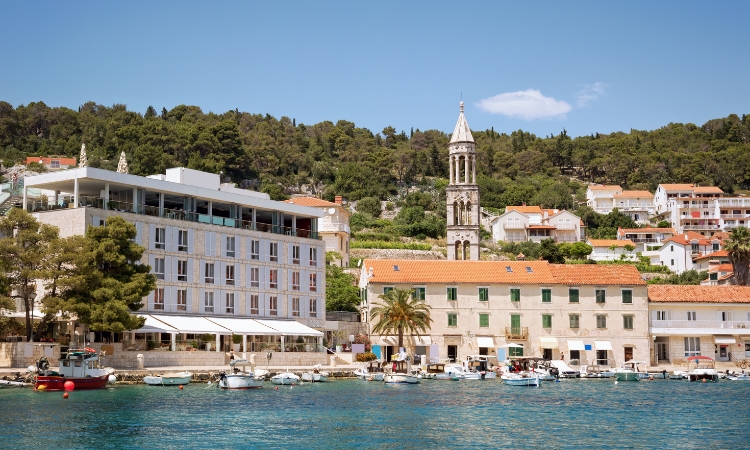
As geopolitical tensions continue to unsettle parts of the world, Croatia may find itself an unlikely beneficiary. Speaking during a visit to Rijeka, Prime Minister Andrej Plenković suggested that instability in the Middle East is, for now, redirecting tourism flows toward the Adriatic coast.
The shift, he noted, has already begun to register in booking patterns, offering cautious optimism ahead of the peak summer season. Conversations with Kristjan Staničić, head of the Croatian National Tourist Board, indicate that travelers are increasingly choosing destinations perceived as stable and accessible — categories into which Croatia comfortably fits.
A Season Shaped by Uncertainty
Yet the outlook is far from straightforward. Across Europe’s tourism industry, uncertainty has altered traveler behavior. Visitors are booking later, spending more cautiously, and weighing their options against a backdrop of economic pressure and global instability.
Plenković acknowledged this delicate balance. Even as Croatia benefits from shifting demand, rising costs and reduced disposable income in key markets could temper enthusiasm.
“If visitors have less money available, they will reconsider not only whether to travel, but how long they stay and how much they spend,” he said, underscoring the need for restraint.
The Price Factor
Pricing, more than geopolitics, may ultimately determine the success of the 2026 season. After criticism of rising costs in previous years, the government is urging a more measured approach across the sector.
A “reasonable pricing policy,” as Plenković described it, could be decisive. Without it, the country risks losing its competitive edge in an increasingly crowded Mediterranean market.
Ambitious Targets Remain
Despite the uncertainties, expectations remain high. Officials are projecting a potential 22 million arrivals and 110 million overnight stays, figures that would place Croatia firmly among Europe’s top destinations. Revenue could reach €15.5 billion, reinforcing tourism’s role as a cornerstone of the national economy.
For now, Croatia stands at a crossroads shaped not only by its own policies, but by forces far beyond its borders — a reminder that in tourism, as in politics, stability can be the most valuable currency of all.
@dubrovnik_times Unique from any angle #adriatic #dubrovnik #traveltiktok ♬ original sound – The Dubrovnik Times