
Published on
March 28, 2026
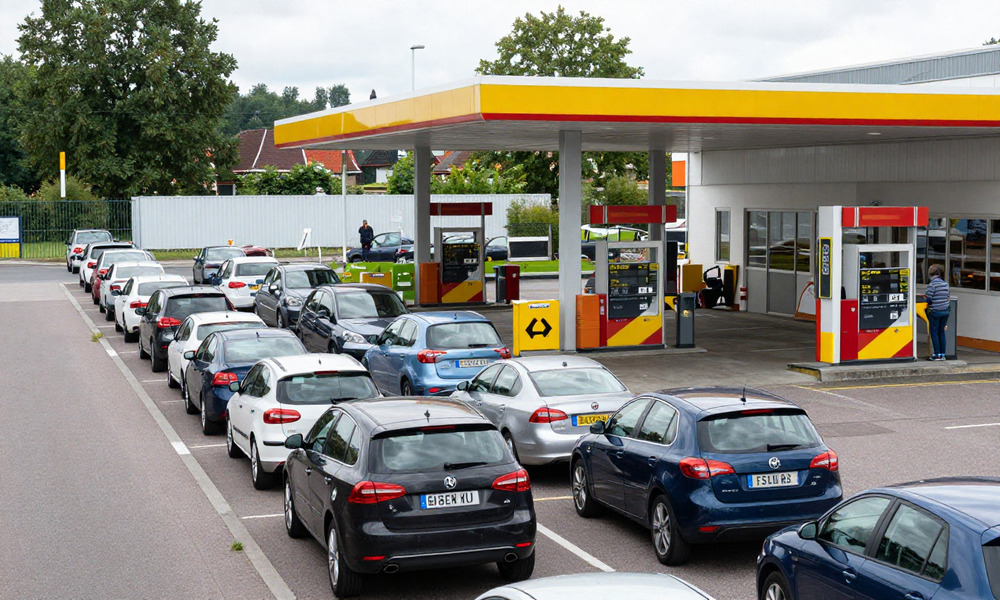
Image generated with Ai
As fuel prices continue to soar across Europe, a growing trend of fuel tourism has emerged, with countries like the Netherlands joining Germany, Portugal, and Spain in the frenzy. Drivers are increasingly crossing borders to take advantage of lower fuel costs, driven by the widening price disparities due to varying tax policies, subsidies, and market structures. This surge in cross-border refueling is not only reshaping local economies but also creating significant pressure on fuel supplies in lower-priced regions, leading to long queues at petrol stations and sparking concerns among both consumers and governments.
Across Europe, rising fuel prices are sparking a growing trend of “fuel tourism,” with drivers crossing borders to take advantage of cheaper fuel prices in neighboring countries. This shift, driven by rising oil prices linked to geopolitical instability, is exacerbating price gaps between countries, which are influenced by varying tax policies, subsidies, and market structures.
The phenomenon has gained momentum in recent weeks as fuel prices continue to climb, with drivers in countries such as Portugal, Spain, Germany, and the Netherlands adjusting their travel routes to fuel up in regions where prices are more affordable. The surge in fuel tourism is placing considerable strain on fuel supplies in lower-priced countries, creating long queues at petrol stations near borders and prompting some governments to contemplate measures to curb the influx of cross-border refueling.
One of the most pronounced examples of this trend is occurring at the German-Czech border, where the Czech Republic’s significantly lower fuel prices are attracting a growing number of drivers from Germany. In border towns like Johanngeorgenstadt in the Ore Mountains, fuel stations have struggled to meet demand, with some running out of petrol entirely and others rationing access to premium fuels and diesel. As more German motorists head into the Czech Republic, local infrastructure is under pressure, with congestion building up around petrol stations and some drivers forced to turn around without being able to refuel.
Advertisement
Advertisement
This issue has been building for weeks, with areas such as Petrovice, located near the A17 motorway, seeing heavy traffic and long lines at petrol stations. Many drivers are specifically making the trip from Germany to take advantage of lower prices, contributing to supply shortages. Fuel types such as diesel and premium petrol often sell out, forcing motorists to wait in long lines or, in some cases, leave without filling up.
The root cause of the increased demand for fuel along the border is the significant price disparity between the two countries. Data from the ADAC motoring association reveals that the cost of premium petrol in the Czech Republic hovers around €1.56 per liter, while diesel costs approximately €1.74. In contrast, diesel prices in Germany have occasionally spiked to €2.30 per liter, making the savings from cross-border refueling substantial despite the overall increase in fuel prices across Europe.
Advertisement
Advertisement
The gap in fuel prices is largely the result of differing tax policies and regulations in each country. In Germany, high energy taxes and CO2 levies significantly raise the cost of fuel, whereas the Czech Republic’s tax structure is less burdensome. Additionally, the Czech Republic boasts a more competitive fuel retail market, with a greater number of independent stations offering lower prices. Meanwhile, Germany’s market is more regulated, and the fuel sector is dominated by a few large companies, which may drive prices higher.
Customs regulations also shape the flow of cross-border refueling. German law allows motorists to bring up to 20 liters of fuel in a jerrycan back into the country, while Czech regulations limit this amount to just 10 liters. Despite these restrictions, drivers are still flocking to border stations to take advantage of the price differences.
Advertisement
Advertisement
Similar trends are emerging in other parts of Europe as well. In Portugal, drivers are crossing into Spain, where government measures have kept fuel prices lower. Similarly, in the Netherlands, motorists are traveling into Belgium to refuel. In Central Europe, German drivers are heading into Poland to take advantage of cheaper fuel prices, further complicating local fuel supply chains.
The effects of fuel tourism are not limited to individual consumers. Transport and logistics operators are increasingly adjusting their refueling strategies, planning stops in neighboring countries to lower costs. The rising price of fuel is expected to increase travel expenses across the board, with airlines already warning that higher fuel prices could lead to increased fares. As a result, some travelers are reconsidering their plans, while others are opting for electric vehicles as a more economical alternative.
Looking ahead to the busy summer travel season, analysts predict that fuel tourism will continue to rise if price differences remain significant. Although cross-border refueling offers savings for consumers, it is creating new challenges for communities along the borders, local infrastructure, and fuel supply chains. The practice underscores the uneven impact of rising energy costs across Europe, highlighting the difficulties faced by both consumers and governments as they grapple with fluctuating fuel prices and the logistical hurdles they present.
As the trend continues, border regions may face even greater pressure, and authorities may introduce measures to limit fuel tourism or adjust tax policies to address the disparities in fuel prices. However, with the ongoing volatility in global oil markets, it is unclear how long these price differences will persist, making the future of fuel tourism uncertain.
Advertisement
Advertisement
