
Published on
March 29, 2026

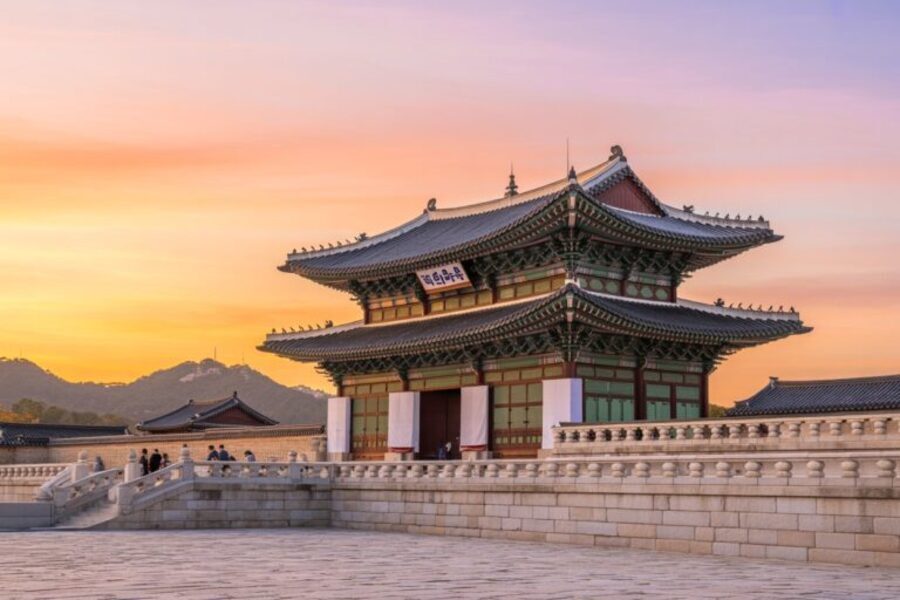
Image generated with Ai
In a bold step toward transforming the travel experience, South Korea is now joining a growing list of countries, including Japan, Germany, Denmark, Canada, the United States, and Norway, in revolutionizing tourist areas with the latest Wi-Fi 7 technology. As global connectivity continues to evolve, South Korea is taking the lead, with Seoul at the forefront of this technological shift. With Wi-Fi 7 offering unmatched speed and reliability, tourists can now enjoy seamless connectivity across bustling cityscapes, cultural landmarks, and popular tourist hotspots. This move not only enhances convenience but also sets a new standard for how visitors interact with their environments, ensuring that South Korea remains a top destination for tech-savvy travelers. Through this investment, the country is solidifying its position as a leader in both tourism and technological innovation, making it easier than ever for visitors to explore and stay connected.
The Seoul Metropolitan Government has embarked on an ambitious initiative to enhance the city’s tourism infrastructure and strengthen its global competitiveness. This plan involves transforming popular tourist hotspots across the city into “data-free zones,” an effort designed to make the experience of foreign visitors more convenient and seamlessly integrated into the digital age. By expanding high-speed public Wi-Fi in these key locations, the government hopes to attract more international tourists, improve access to real-time information, and bolster the city’s standing as a leading global destination for tourism.
Key areas within the city such as Hangang Park, Seongsu-dong, and Myeong-dong—places known for attracting large numbers of international travelers—will benefit from this significant upgrade. These areas are not just popular for their sightseeing value but are also cultural hubs where tourists can experience firsthand the vibrancy of Seoul. The government’s decision to focus on these destinations underlines the importance of improving tourist services, especially in a world where convenience and speed are paramount.
To achieve this goal, Seoul will deploy a dense network of Wi-Fi routers throughout these locations, expanding its digital infrastructure to ensure seamless connectivity for travelers. The system will utilize Wi-Fi 7 technology, a cutting-edge standard that is still in the early stages of nationwide adoption. Wi-Fi 7 is poised to revolutionize wireless internet speeds, providing connectivity at speeds of up to 46 gigabits per second. This is significantly faster than the current Wi-Fi technology, which operates at much lower speeds, providing a connection that is approximately 4.8 times faster than previous generations. For tourists who rely on the internet for navigation, recommendations, communication, and other essential travel activities, this upgrade will make their experience in Seoul more efficient and enjoyable.
This initiative aligns with Seoul’s broader strategy of enhancing its global standing by improving both urban competitiveness and tourism. Over the past few years, there has been a noticeable shift in the way international visitors travel, with a growing emphasis on real-time, personalized experiences driven by online platforms. Tourists are increasingly relying on mobile devices to guide their journeys, from searching for nearby attractions and restaurants to planning their daily activities. As such, having fast, reliable Wi-Fi access in popular destinations has become an essential element in the city’s tourism strategy.
The global appeal of Korean culture, from K-pop to traditional arts, has continued to surge in recent years, further fueling the demand for such conveniences. With more people seeking to immerse themselves in Seoul’s culture, the city recognizes the need to provide modern infrastructure that can accommodate the digital needs of a globalized audience. As a result, this high-speed Wi-Fi rollout is seen as both a response to current demands and a forward-looking move that positions Seoul as a modern, tech-savvy city ready to welcome an influx of tourists from around the world.
Advertisement
Advertisement
According to recent data from the Korea Telecommunications Operations Association, South Korea’s average public Wi-Fi speed was recorded at 378.84 megabits per second in 2023. This speed is notably faster than the global average, which stands at just 45.08 megabits per second across major cities in countries like Norway, Denmark, Singapore, the United States, Germany, Canada, and Japan. These statistics highlight South Korea’s commitment to providing its citizens and visitors with high-quality, fast internet access. The country’s focus on internet infrastructure is not just a matter of convenience but also a reflection of its technological prowess and ambition to stay ahead of the curve in a digital-first world.
Seoul is currently home to over 35,000 public Wi-Fi routers spread across the city, with coverage extending to major public spaces, parks, and transportation hubs. This vast network ensures that residents and visitors alike have access to reliable internet wherever they go. Furthermore, the city’s public Wi-Fi infrastructure has seen substantial growth in recent years. By 2025, the city’s data usage and number of users surged to 40,479 terabytes and 1.54 billion, respectively, marking an 11.1 percent increase in data usage and a 19.3 percent rise in the number of users from the previous year. These statistics underscore the growing demand for public Wi-Fi access, as more people turn to digital services for entertainment, work, and communication.
Despite the impressive growth of Seoul’s Wi-Fi infrastructure, there have been some reports of slower internet speeds in areas with high foot traffic, such as Hangang Park. This issue is largely due to slower installation rates in non-residential or non-commercial zones, which were historically deprioritized in terms of network expansion. However, the city is addressing this gap by expanding its Wi-Fi network in these high-demand areas, ensuring that tourists and locals can enjoy faster and more reliable connections.
The city’s decision to focus on expanding Wi-Fi in these major tourist destinations is not just about keeping up with global trends. It is part of a larger vision to increase Seoul’s urban competitiveness on the global stage. As more people choose destinations based on connectivity and technological convenience, the role of infrastructure in attracting international travelers becomes even more critical. By enhancing Wi-Fi access in its most visited areas, Seoul aims to cement its reputation as a tech-forward, tourist-friendly city that offers cutting-edge amenities to those who come to explore its culture.
This initiative also plays a key role in South Korea’s broader tourism strategy. The country has set an ambitious goal of attracting 30 million visitors annually by 2028, a target that reflects the growing importance of tourism as an economic driver. By improving infrastructure and making the city more accessible to foreign travelers, Seoul is positioning itself to capitalize on the global demand for international travel. The push for greater connectivity will help meet the expectations of travelers who expect fast, reliable internet access wherever they go. In the coming years, as tourism continues to recover and grow, this investment in infrastructure will help Seoul stand out as one of the world’s leading destinations.
The rollout of Wi-Fi 7 technology is particularly noteworthy. As the technology is still in the early stages of adoption, the Seoul government’s decision to incorporate it into the city’s public network sets a precedent for other cities to follow. Wi-Fi 7 promises not just faster speeds, but also increased network efficiency, lower latency, and more stable connections, making it an ideal solution for high-density areas like tourist hotspots. This upgrade will not only benefit tourists but also contribute to the overall digital experience in the city, allowing residents to access services faster and more reliably.
This plan reflects a deep understanding of the evolving needs of global travelers and a commitment to enhancing the visitor experience. By implementing these changes, Seoul will not only improve the convenience of international visitors but also pave the way for a future where connectivity plays an even more vital role in shaping urban tourism. The expanded Wi-Fi network will provide tourists with the tools they need to explore the city more freely, navigate with ease, and connect with others while experiencing the best of what Seoul has to offer.
South Korea is joining countries like Japan, Germany, and the United States in transforming tourist areas with cutting-edge Wi-Fi 7 technology, led by Seoul. This move ensures faster, more reliable connectivity, enhancing the travel experience by meeting the growing demand for seamless digital access in popular destinations.
The Seoul Metropolitan Government’s expansion of high-speed Wi-Fi in popular tourist areas is a strategic move that reflects both current demands and future aspirations. As the city continues to grow as a global destination, this initiative will play a crucial role in ensuring that Seoul remains at the forefront of urban competitiveness and tourism innovation. With faster, more reliable internet access in key destinations, Seoul is poised to become even more attractive to international visitors, supporting South Korea’s broader goal of boosting tourism and strengthening its position on the global stage.
Advertisement
Advertisement
