
Published on
March 29, 2026
By: Tuhin Sarkar
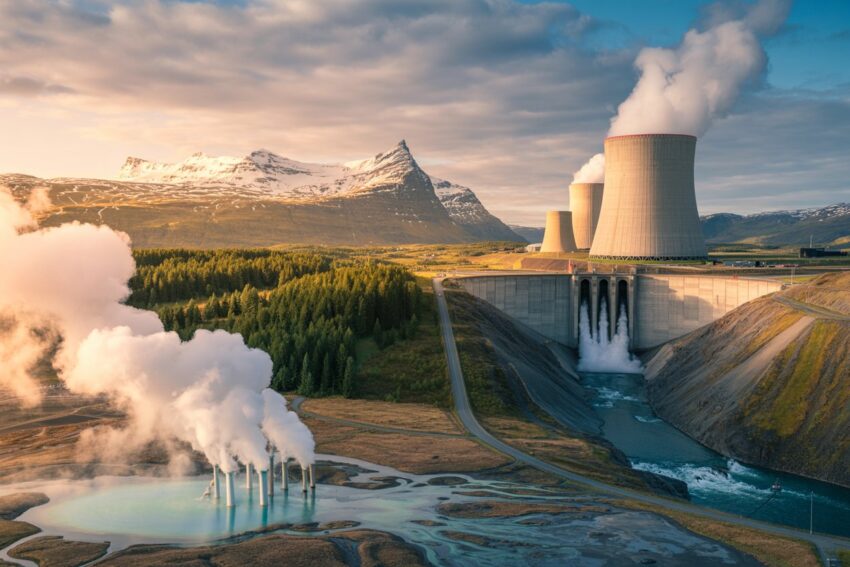
Image generated with Ai
Iceland overtakes Norway, Sweden, Switzerland and France to lead the global clean energy race with the lowest carbon power grids.
Iceland overtakes Norway, Sweden, Switzerland and France to lead the global clean energy race with the lowest carbon power grids. Iceland overtakes Norway Sweden Switzerland France rapidly. Consequently, Iceland leads while Norway Sweden Switzerland France follow closely. Moreover, lowest carbon power grids reshape global energy systems.
Therefore, Iceland overtakes Norway Sweden Switzerland France again in clean energy dominance. Additionally, renewable energy, hydroelectric power and efficiency drive this surge. Meanwhile, global markets respond to this shift. Travel And Tour World urges readers to read the entire story as Iceland overtakes Norway Sweden Switzerland France and transforms the clean energy race worldwide.
Iceland, Norway, Sweden, Switzerland and France dominate the global clean energy transition by operating the lowest carbon electricity grids, driven by renewable energy, hydroelectric dominance, and efficient energy systems, reducing emissions while ensuring long-term energy resilience and sustainability.
Iceland Norway Sweden Switzerland France clean energy carbon grids explode globally. Iceland Norway Sweden Switzerland France dominate. Now global power shifts fast. Travel And Tour World urges readers to read the entire story as clean energy revolution accelerates worldwide.
Iceland, Norway, Sweden, Switzerland and France are leading the global clean energy revolution. Iceland Norway Sweden Switzerland France dominate low carbon electricity grids. Consequently, global energy shifts faster than expected. Moreover, renewable energy, hydroelectric power and nuclear sources reshape electricity systems. Therefore, Iceland Norway Sweden Switzerland France emerge as global benchmarks. Additionally, efficiency and sustainability drive economic growth. Meanwhile, fossil fuel dependence declines sharply. Travel And Tour World urges readers to read the entire story as Iceland Norway Sweden Switzerland France redefine clean energy leadership, influence global climate strategies and accelerate low carbon power grids worldwide.
How Are Iceland, Norway, Sweden, Switzerland and France Leading the Global Clean Energy Transition?
Iceland, Norway, Sweden, Switzerland and France are setting new global benchmarks in clean electricity generation. Their leadership is not accidental. It is the result of long-term investments in renewable energy infrastructure. Iceland stands out with the lowest carbon intensity of electricity globally. Norway follows with extensive hydroelectric reliance. Sweden combines renewable and nuclear energy effectively. Switzerland focuses on energy efficiency. France leverages nuclear power significantly. These countries reduce emissions while maintaining stable power supply. Their systems are resilient. Their strategies are replicable only with adaptation. Consequently, they shape global policy direction and influence energy transition debates worldwide significantly.
Advertisement
Advertisement
Why Does Iceland Hold the Lowest Carbon Electricity Grid in the World?
Iceland’s dominance in clean electricity is rooted in geography and policy alignment. The country produces electricity with just 28 gCO₂ per kWh, the lowest globally . This is due to geothermal and hydroelectric energy. Around 82.4% of its energy comes from renewable sources. Fossil fuel usage remains minimal. The grid is stable and sustainable. Energy production aligns with environmental priorities. Moreover, Iceland’s isolation reduces dependency on external energy markets. Therefore, its system remains efficient and self-sufficient. This model demonstrates how natural resources combined with policy commitment can create the world’s cleanest energy system.
What Makes Norway a Strong Contender in Sustainable Energy Systems?
Norway ranks second globally due to its heavy reliance on hydroelectric power. Approximately 89.1% of electricity is generated from hydro sources . This reduces carbon emissions significantly. Additionally, over 50% of energy use comes from alternative and nuclear sources. Norway also shows high energy efficiency. It consumes only 1.1 kWh per GDP dollar. This indicates strong economic-energy balance. The country benefits from natural water resources. However, it also invests in sustainable infrastructure. Consequently, Norway maintains a low carbon footprint while supporting industrial growth. Its model highlights the importance of balancing natural advantages with policy execution.
How Does Sweden Balance Renewable Energy and Efficiency Effectively?
Sweden presents a diversified and balanced energy model. Renewable energy powers a significant portion of its grid. Around 57.9% of energy consumption is renewable . Hydroelectric power contributes about 40%. Fossil fuel usage is limited. Carbon intensity remains low at 34.8 gCO₂ per kWh. Sweden also integrates nuclear energy strategically. This ensures stability during demand fluctuations. The country focuses on long-term sustainability goals. It invests in innovation and infrastructure. As a result, Sweden achieves both environmental and economic efficiency. Its diversified approach reduces risk and enhances resilience in the energy sector.
Why Is Switzerland Considered the Most Energy-Efficient Country?
Switzerland leads in energy efficiency rather than just low emissions. It requires only 0.51 kWh to generate one dollar of GDP . This is the lowest among top-performing nations. The country uses a mix of hydroelectric and fossil fuel sources. Hydropower contributes over 55%. This ensures a relatively clean grid. Efficiency remains the core focus. Switzerland optimises consumption patterns. It reduces energy waste. Additionally, strong regulations support sustainability goals. Therefore, its economic output remains high with minimal energy input. This model proves that efficiency can be as impactful as renewable energy in reducing overall carbon footprint.
How Does France Maintain Low Carbon Electricity Despite Fossil Fuel Dependence?
France achieves low carbon intensity through nuclear energy dominance. Around 46.7% of its electricity comes from nuclear sources . This reduces emissions significantly. Carbon intensity stands at 40.8 gCO₂ per kWh. Although fossil fuels are still present, their impact is mitigated. France balances energy sources carefully. It ensures grid stability and reliability. Additionally, the country invests in sustainable tourism and infrastructure. Energy policy aligns with climate commitments. Consequently, France maintains a strong position in the clean energy rankings. Its model demonstrates how nuclear power can support low carbon transitions effectively.
What Role Do Renewable and Hydroelectric Sources Play in These Countries?
Renewable and hydroelectric energy form the backbone of clean electricity systems in these nations. Hydropower dominates in Norway and Iceland. Sweden and Switzerland also rely heavily on it. Renewable energy reduces emissions significantly. It ensures long-term sustainability. These countries invest in infrastructure continuously. They maintain grid stability despite variable supply. Additionally, renewable sources reduce dependency on fossil fuels. This enhances energy security. Climate goals are easier to achieve. Therefore, renewable energy is not just an environmental solution. It is also an economic strategy. It supports resilience, growth and long-term sustainability in national energy systems.
How Do These Energy Systems Influence Global Climate and Tourism Sectors?
Clean energy systems have broader implications beyond electricity. They impact tourism significantly. Countries with low carbon footprints attract environmentally conscious travellers. Sustainable destinations gain competitive advantage. Iceland and Norway already benefit from eco-tourism growth. France integrates sustainability into tourism strategies. Sweden promotes green travel initiatives. Switzerland emphasises sustainable infrastructure. These efforts align with global climate goals. Additionally, energy efficiency reduces operational costs in tourism sectors. Hotels, transport and attractions become more sustainable. Consequently, clean energy enhances destination appeal. It strengthens economic performance while supporting environmental preservation globally.
What Challenges Do Other Countries Face in Replicating These Models?
Replicating these clean energy systems is complex. Not all countries have natural resources like Iceland or Norway. Geographical limitations restrict hydroelectric potential. Infrastructure investment is expensive. Developing nations face financial constraints. Additionally, transitioning from fossil fuels requires policy changes. Storage technologies remain a challenge. Energy demand continues to rise globally. Therefore, replication requires adaptation. Countries must develop customised strategies. Investment in innovation is critical. International cooperation becomes essential. Consequently, while these models are aspirational, they are not universally applicable without significant structural changes.
The rise of Iceland, Norway, Sweden, Switzerland and France in clean energy is driven by geography, policy and long-term investment. The cause lies in urgent climate challenges and the need to reduce emissions. The answer is renewable energy expansion, hydroelectric dominance, nuclear integration and efficiency optimisation. The reason is their ability to align natural resources with strategic planning. Consequently, these nations maintain low carbon electricity grids while ensuring economic stability. Their success highlights the path forward for global energy transition. However, adaptation remains essential for other countries to replicate these sustainable and resilient energy systems effectively.
Advertisement
Advertisement
