
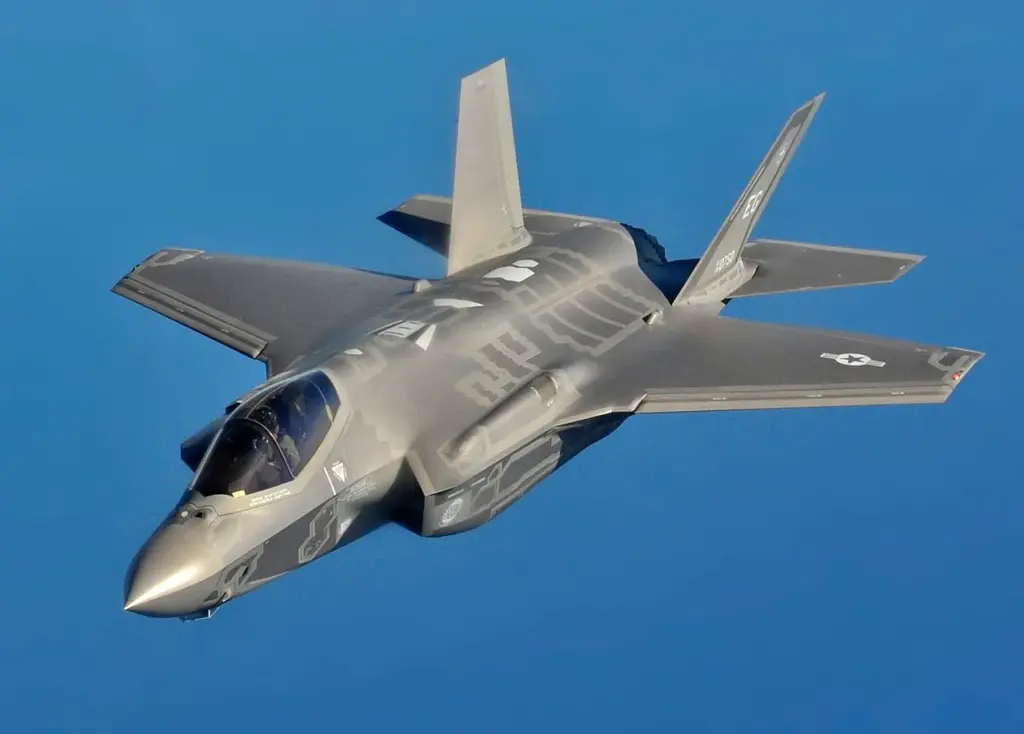
OSLO— Norway plans to invest an additional 115 billion Krone (approx. $11.8 Billion) in defense over the next decade to address rising global security risks. The proposal strengthens its long-term military strategy and aligns spending with NATO targets.
The funding will support advanced weapons, naval expansion, and Arctic force readiness, while delaying or canceling select programs to prioritize critical capabilities.
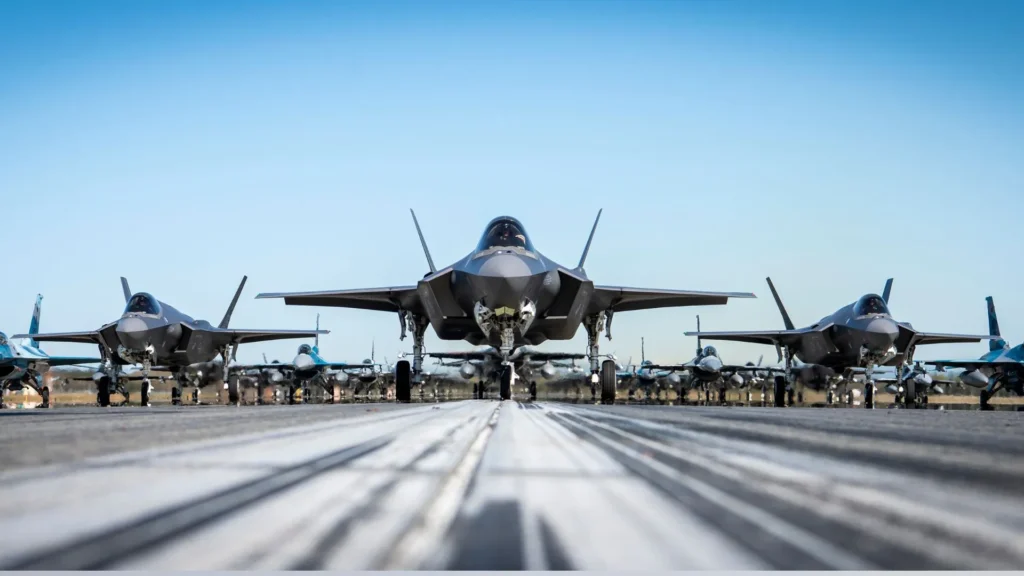 Photo: Lockheed Martin
Norway Strengthens Defence Budget
Norway has proposed a significant increase in defense spending, adding 115 billion Krone to its Long-term Defence Plan for 2025 to 2036.
The move reflects growing concern over global instability and lessons drawn from the war in Ukraine, particularly around rising equipment costs and operational readiness.
If approved by parliament, the funding increase will help Norway reach NATO’s target of allocating 3.5 percent of GDP to defense by 2035.
The government has structured the investment timeline with 31 billion Krone allocated by 2030 and the remaining 84 billion distributed between 2030 and 2035.
Prime Minister Jonas Gahr Støre emphasized that the increase is necessary to rapidly strengthen national defense capabilities while maintaining careful prioritization across programs, Breaking Defense reported.
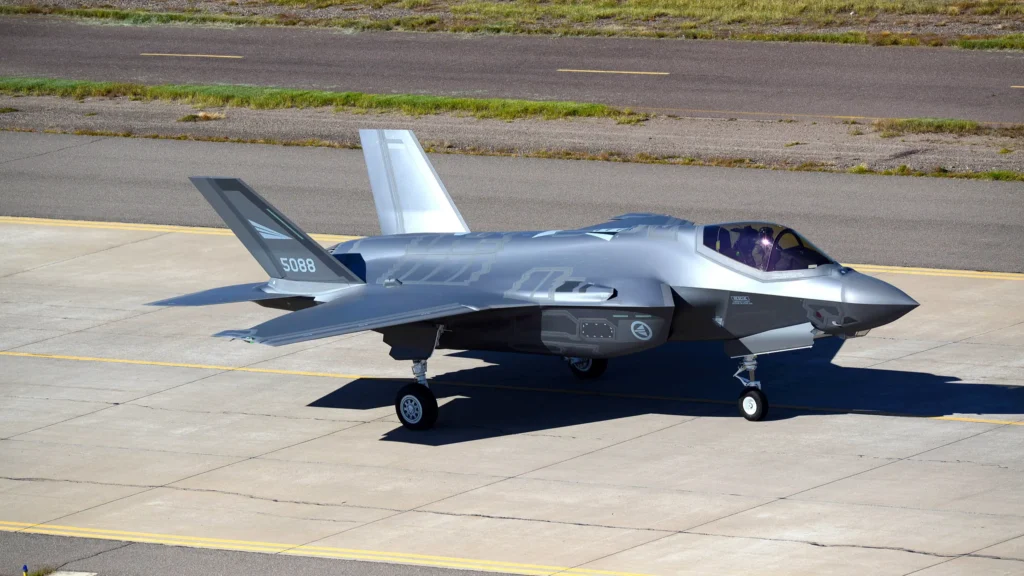 Photo: Tech. Sgt. Timothy Boyer | Wikimedia Commons
https://commons.wikimedia.org/wiki/File:Norwegian_F-35_Lightning_II.jpg
Investment in Advanced Munitions and Air Power
A key portion of the funding will focus on combat-critical munitions. Norway plans to acquire Advanced Anti-Radiation Guided Missile Extended Range systems for its F-35 fighter fleet. These missiles are designed to target and neutralize enemy radar systems, enhancing survivability and strike capability.
The government expects to finalize a procurement agreement with Northrop Grumman by the end of the year.
Deliveries are scheduled between 2031 and 2032, aligning with broader efforts to modernize air combat capabilities.
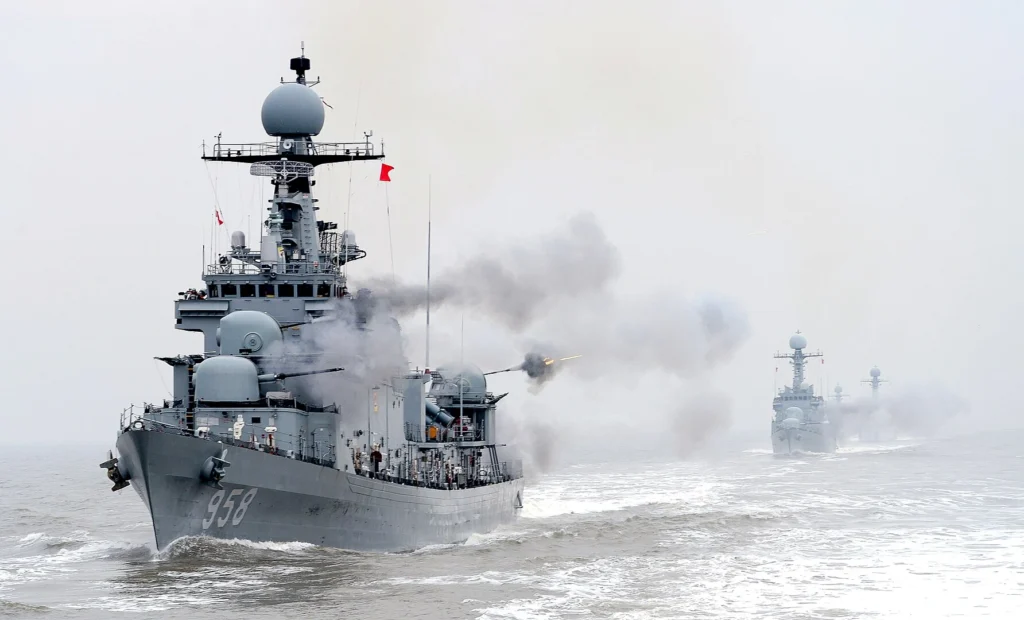 Photo: By 대한민국 국군 Republic of Korea Armed Forces – 2014.3.19 해군 2함대 천안함 4주기 해상기동 훈련 Republic of Korea Navy 2nd Fleet Command, CC BY-SA 2.0, https://commons.wikimedia.org/w/index.php?curid=36996366
Naval Expansion and Strategic Maritime Capabilities
The defense plan prioritizes naval modernization through accelerated procurement of submarines and frigates. Norway is committed to acquiring six Type 212CD submarines in partnership with Germany, with a program value of approximately $9.69 billion.
However, the cost of the final two submarines has increased due to inflation in raw materials and broader defense market trends. The plan also highlights potential delivery risks if additional allied nations join the program, which could impact production timelines.
In parallel, Norway will procure at least five Type 26 anti-submarine warfare frigates from the United Kingdom, valued at around £10 billion. These vessels will include integrated maritime helicopters designed for anti-submarine operations, though the specific aircraft type has not yet been confirmed.
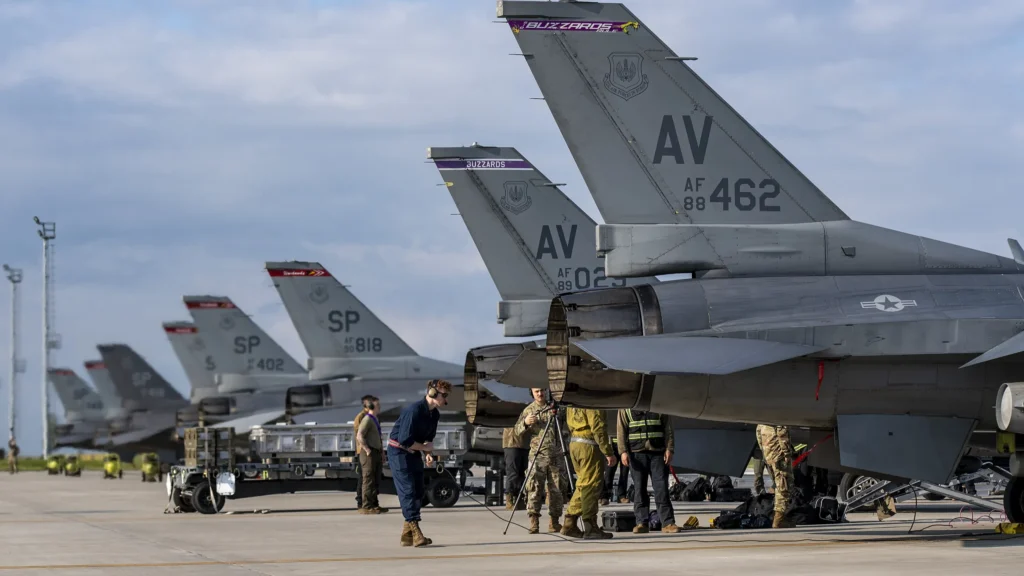 Pgoto: United States Armed Forces (For Illustrative purpose only)
Arctic Readiness and Land Force Development
The proposal accelerates the development of the Finnmark Brigade, a key land force unit focused on strengthening NATO’s presence in the Arctic region.
The brigade is now expected to become fully operational by 2032, two years earlier than previously planned.
This move reflects Norway’s strategic focus on the High North, where increased military activity and geopolitical competition demand stronger ground capabilities.
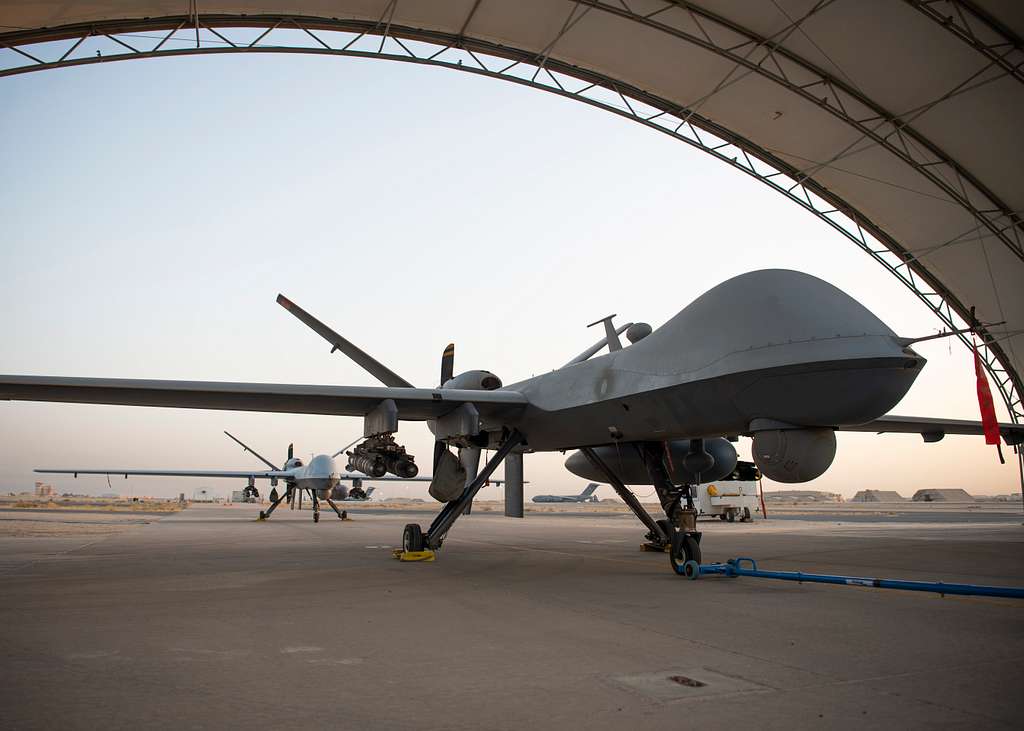 Photo: picryl
Program Delays and Capability Trade-Offs
To prioritize critical investments, Norway has postponed or canceled certain programs. The procurement of helicopters for special forces and land operations has been delayed, while plans to acquire long-range maritime surveillance drones have been scrapped.
The government is exploring alternative solutions, including potential collaboration with the United Kingdom on long-range drone capabilities, likely involving MQ-9B SkyGuardian systems. Additionally, space-based surveillance is expected to compensate for some of the lost capabilities.
Stay tuned with us. Further, follow us on social media for the latest updates.
Join us on Telegram Group for the Latest Aviation Updates. Subsequently, follow us on Google News