
Published on
March 30, 2026
Image generated with Ai
Poland has extended temporary border controls with Germany and Lithuania until October 1, 2026, affecting road travel and tourism within the Schengen Zone. Travelers planning trips across these borders should be aware of selective identity checks, possible delays at key crossings, and the need for passports or ID cards — even between neighboring EU countries. The extended controls aim to curb irregular migration but have travel implications for tourists, business travelers, and cross‑border commuters. Learn what these changes mean for planning European travel itineraries, how to prepare for border stops, and tips for minimizing delays on popular routes between Poland, Germany and the Baltic states. Stay informed ahead of summer travel, transit planning, and cross‑border sightseeing experiences.
In a development with significant implications for European travel, Poland has extended temporary border controls with its Schengen Area neighbours Germany and Lithuania until October 1, 2026, authorities announced late this month. The move, aimed at curbing irregular migration and strengthening internal security, has travel and tourism experts advising visitors to prepare for document checks and possible delays on routes that were once seamless under the Schengen visa‑free system.
Under the extended measures, Polish border officials — supported by police and military units — will continue to conduct selective identity checks at designated crossings along the borders with Germany in the west and Lithuania in the northeast. These controls were first introduced in July 2025 and repeatedly renewed due to persistent migration pressures and perceived security threats.
For travelers planning road trips, business journeys, or multi‑country vacations across Central and Eastern Europe, this means that freedom of movement within the Schengen Zone has temporary interruptions at these specific borders. While controls are selective — not a full closure — they still require proper travel documentation and can lead to wait times of more than an hour for vehicles at peak periods, according to transport and freight reports.
Advertisement
Advertisement
Why This Matters for Travelers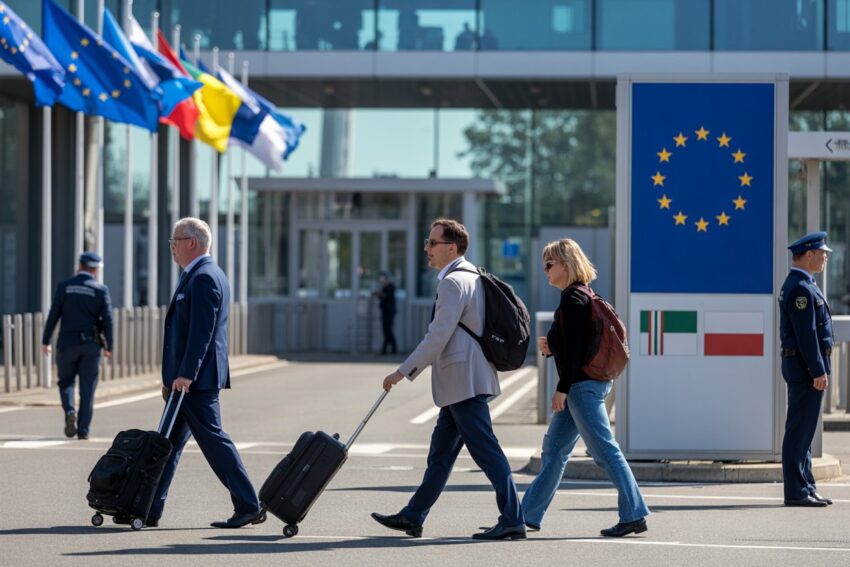
Image generated with Ai
Under normal Schengen Area rules, Europeans and international visitors with a valid Schengen visa or residency status can cross borders between EU member states like Poland, Germany and Lithuania without stopping for passport checks. However, Schengen rules allow exceptions in “serious and sustained threats to public policy or internal security,” which is the official justification for Poland’s extended controls.
For visitors, this policy shift affects travel in several ways:
Advertisement
Advertisement
1. Document Preparedness Is Essential
Cross‑border travel now requires travelers to carry passports or national ID cards at all times — even on routes that previously had open movement. This includes local trips, rail journeys, and bus routes that cross the German‑Polish and Lithuanian‑Polish lines. Tourists who might have relied on minimal checks under normal Schengen rules must be prepared for identity verification.
2. Possible Delays on Road and Rail
Although the controls are selective and not applied at every crossing, vehicles — including buses, private cars and freight — may be stopped for inspections. Reports from haulage firms and travelers indicate that trucks and buses can face longer processing times, especially during peak travel hours. Tour operators now advise travelers to build extra buffer time into itineraries when planning cross‑border segments in spring, summer and autumn.
Advertisement
Advertisement
3. Impact on Cross‑Border Tourism and Day Trips
Popular destinations tied together by easy road networks — such as Berlin to Poznań, or Vilnius to Warsaw — may no longer feel as seamless as before. Day trips that once crossed uninterrupted borders could encounter checks, which may discourage spontaneous excursions. Travel guides and apps have begun updating their route suggestions to highlight where checks are more frequent and how long waits might be expected.
How Travelers Are Responding
Many tourists and frequent border crossers have expressed mixed reactions to the extension. Some understand the security rationale, but others note that the additional checks slow down journeys and make travel planning more complicated — particularly for independent travelers who value flexibility over bureaucratic procedures.
Travel bloggers and regional tour companies have started offering practical tips, such as:
- Arrive at border crossings slightly earlier than usual, especially on weekends and peak travel days.
- Keep travel documents – including valid passports and Schengen visas – easily accessible.
- Use digital apps that inform real‑time crossing wait times.
- Consider alternate routes that may have lighter inspection levels.
Border Crossings Most Affected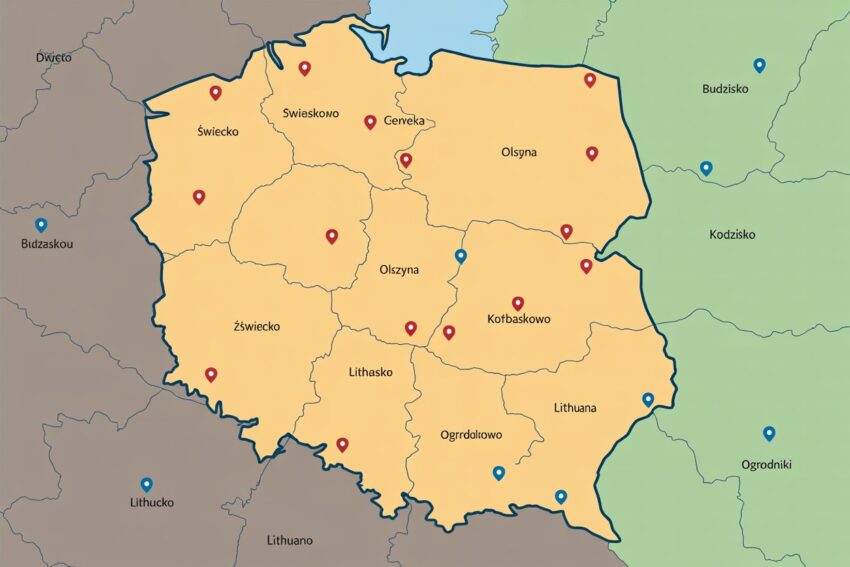
Image generated with Ai
The Polish Interior Ministry has identified approximately 63 crossing points where checks may take place: around 50 on the German border and 13 with Lithuania. Major road crossings, such as those near Świecko, Olszyna, Kołbaskowo in the west, and Budzisko and Ogrodniki in the northeast, are primary points where travelers are most likely to be stopped and asked for ID.
While rail and pedestrian crossings are also included in the control framework, railway operators have reported relatively minor interruptions, though international routes are updating schedules to allow for slight delays.
Balancing Security and Travel Experience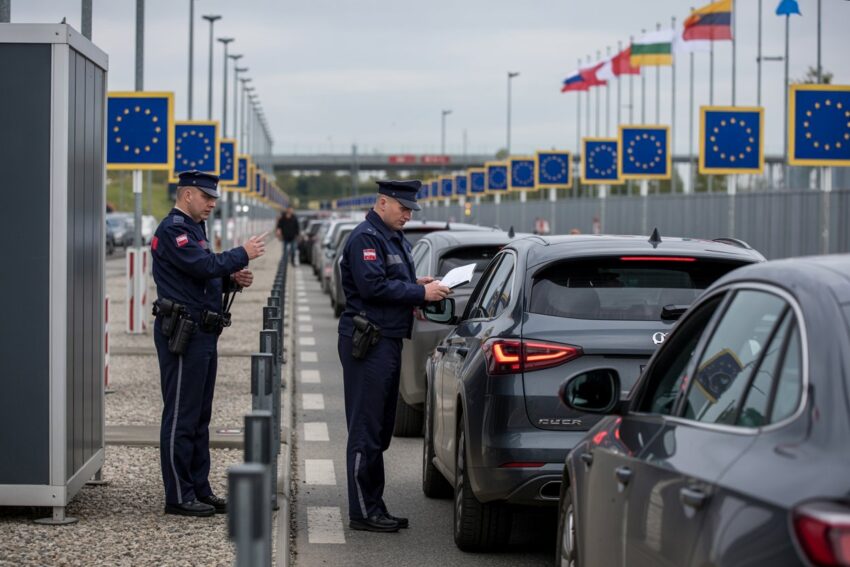
Image generated with Ai
Polish officials have emphasised that the border controls are temporary and proportional, and do not signify a permanent rollback of the Schengen freedom of movement. They argue that the measures are necessary to address irregular migration and security issues without closing the borders entirely. Germany and Lithuania have publicly acknowledged and cooperated with the extension, highlighting that selective checks are permitted under EU law when exceptional circumstances arise.
For the travel industry, this creates a delicate balancing act between ensuring safety and maintaining smooth mobility for visitors. Hotels, tour operators and travel platforms have responded by updating their guidance, informing travelers about border expectations, and revising logistics for tours that cross international frontiers within the Schengen Area.
Tips for Travel Planning
Travel advisors suggest a few practical strategies for anyone planning to visit or transit through Poland from Germany or Lithuania:
✔ Check Border Wait Times Before Departing
Several regional authorities and third‑party travel apps now provide live estimates of crossing delays — a crucial planning tool for road trips.
✔ Prepare Travel Documents
Ensure your passport or ID card is valid and easily accessible; keep any visa documentation ready for review at control points.
✔ Allow Extra Time in Itineraries
Whether heading to a city, national park or regional festival, allocate additional time for checkpoints so that your travel schedule remains relaxed.
✔ Stay Updated With Government Travel Advisories
Check official updates from ministries or travel authorities in your home country for the latest information on border policies.
The extension of Poland’s temporary border controls with Germany and Lithuania until October 1, 2026, marks a significant development in European travel dynamics — particularly for land travel within the Schengen Zone. While the move aims to address migration concerns, it also reshapes how travelers plan road trips, transits and leisure journeys between neighboring EU countries. With proper preparation, travel documentation and updated itinerary planning, tourists and road travelers can navigate these changes smoothly and still enjoy the rich cultural, culinary and scenic experiences that Central and Eastern Europe have to offer.
Advertisement
Advertisement
