
Published on
March 30, 2026
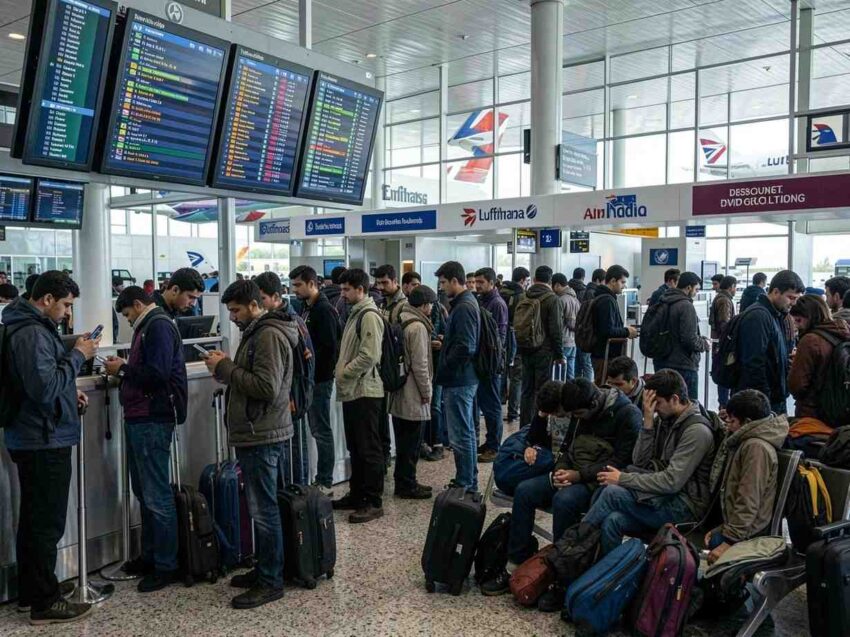
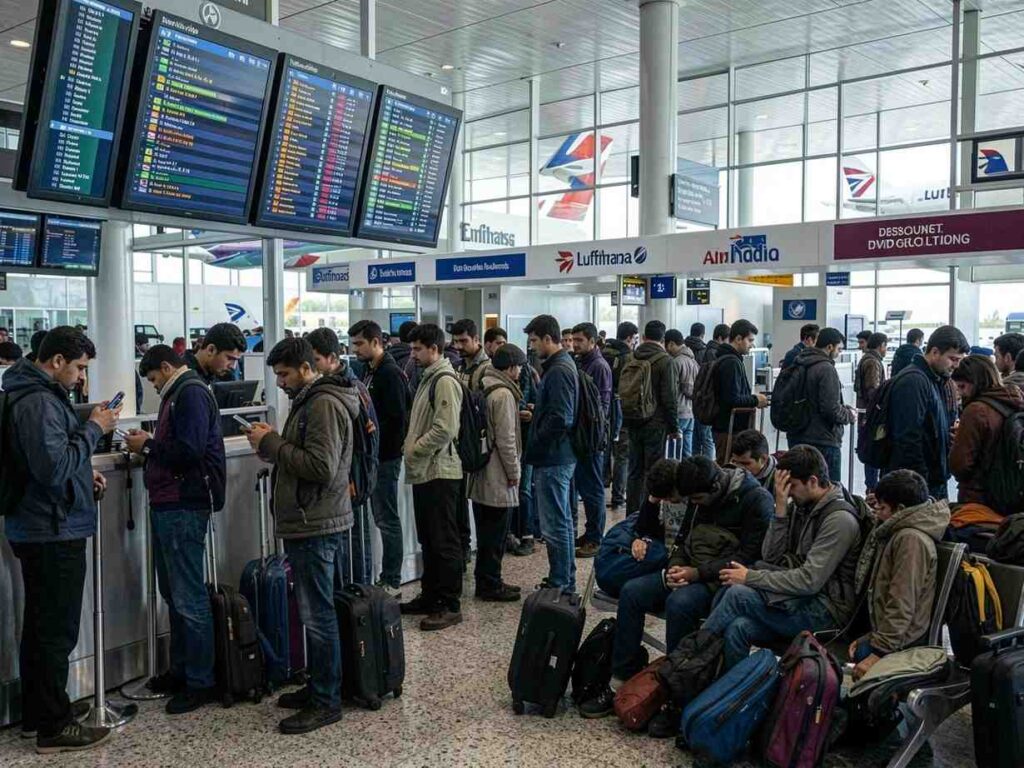
Image generated with Ai
Germany, Italy, and the USA are among the countries hit hardest by the ongoing conflict in West Asia, causing widespread chaos for vacationers and business travelers alike. As tensions escalate, travelers from these nations are facing unprecedented disruptions in their travel plans, with flight cancellations, delays, and refund issues becoming a daily reality. Major airlines like Lufthansa, British Airways, Air India, and Emirates are scrambling to accommodate the flood of affected passengers, but many are left stranded, with rebooking options and compensation processes experiencing significant delays. The ripple effect of these disruptions is also being felt in the hospitality industry, as hotels in key tourist destinations struggle with fluctuating occupancy rates. With airspace closures, rerouted flights, and soaring ticket prices, the global tourism landscape is shifting rapidly, and travelers are forced to navigate a maze of logistical challenges. For those planning to visit or leave the region, understanding the full scope of these developments is critical, as the uncertainty surrounding flight schedules and hotel availability continues to create headaches for tourists.
Germany Joins Italy, UK, USA, France & Spain Vacationers Hit Hard—Lufthansa, British Airways, Air India, Emirates Warn of Flight Delays and Refund Headaches Amid West Asia Crisis
The ongoing crisis in West Asia has shaken the travel industry, with millions of vacationers across Europe, the US, and parts of Asia feeling the impact. Major airlines such as Lufthansa, British Airways, Air India, and Emirates are facing unprecedented flight delays, cancellations, and refund complications as tensions in the region disrupt air travel. The ripple effects are being felt in airports, hotels, and across the broader hospitality industry, as tourists scramble to rebook flights, extend hotel stays, or simply get their money back. The global tourism landscape is changing fast, and it’s essential for travelers to understand how these developments might affect their plans, and what actions they can take to minimize the impact on their vacations.
Germany Joins Italy, UK, USA, France & Spain Vacationers Hit Hard
As the conflict in West Asia escalates, vacationers from Germany, Italy, the UK, the USA, France, and Spain are facing growing uncertainty. The chaos has led to widespread flight cancellations, unexpected delays, and significant changes to flight itineraries. Travelers in these countries, who typically enjoy seamless connections to destinations across the globe, now find themselves in a situation where their flights are either delayed for hours or canceled altogether.
Germany, one of the world’s largest outbound tourism markets, is particularly impacted. With flights from Frankfurt, Munich, and Berlin disrupted, German tourists are facing a domino effect that is being felt across the continent. British Airways and Lufthansa are struggling with delays on routes from Europe to Asia and the Middle East. Many of these passengers were scheduled to visit popular tourist destinations such as Dubai, Bangkok, and Tel Aviv, all of which have been heavily impacted by airspace closures.
Advertisement
Advertisement
For travelers based in the USA, the situation is equally dire. American vacationers heading to European and Middle Eastern destinations are being rerouted or forced to wait longer than expected to get to their desired vacation spots. Flights from New York, Los Angeles, and Chicago to major hubs like London, Paris, and Dubai have been delayed, creating headaches for both holidaymakers and business travelers alike.
The effects of the ongoing conflict in West Asia are not only disrupting air travel. The ripple effect extends to hotel bookings, causing a significant decline in tourism for countries that are dependent on international visitors. As airlines like Emirates, Qatar Airways, and Air India struggle to operate under the current conditions, the hospitality industry also faces challenges as hotels in key tourist destinations adjust to fluctuating demand.
Lufthansa, British Airways, Air India, Emirates Warn of Flight Delays and Refund Headaches
The key players in the airline industry are struggling to cope with the growing disruption caused by the West Asia conflict. Lufthansa, British Airways, Air India, and Emirates are facing significant logistical challenges as they attempt to manage the fallout from cancellations and delays.
Lufthansa has been particularly affected, with major hubs in Frankfurt and Munich seeing severe delays due to airspace restrictions in the Middle East. The airline has struggled to maintain its regular European and international flight schedules. While Lufthansa has implemented some compensatory measures, including free rebooking for affected travelers, passengers have reported significant issues with refund processing, with many customers experiencing long delays in receiving their money back.
Similarly, British Airways has warned passengers of continued flight delays and cancellations, especially on routes from the UK to countries in the Middle East and Asia. Flights to destinations like Dubai, Abu Dhabi, and Tel Aviv have been rerouted or canceled as airspace over the Middle East becomes increasingly unsafe. British Airways has been offering flexibility to passengers, including rebooking and partial refunds, but travelers are still encountering significant difficulties in rebooking flights or receiving timely compensation.
Air India, India’s flag carrier, has also been significantly impacted by the crisis. Flights from Delhi, Mumbai, and Bengaluru to Europe, the Middle East, and other international destinations have faced delays and cancellations. Air India has issued advisories for passengers to check their flight status before departure, as rerouted flights have led to long delays, especially for passengers heading to the Gulf.
Meanwhile, Emirates, the flagship carrier of Dubai, has felt the direct effects of the crisis. As the UAE’s primary airline, Emirates has been crucial to tourism in the region. But as airports in the Middle East face closures and airspace restrictions, Emirates has been forced to cancel flights to and from Dubai, affecting travelers from across the globe. Travelers heading to the UAE and other destinations within the Middle East are facing rerouting issues, significantly impacting the tourism flow.
The Ripple Effect on the Hospitality Industry
As airlines continue to struggle with delays and cancellations, the hospitality industry is also experiencing the effects of the West Asia conflict. Hotels in tourist hotspots like Dubai, Abu Dhabi, Paris, and London have reported a significant decline in bookings as international visitors cancel or postpone their trips.
While some regions, such as Southeast Asia, have seen an uptick in bookings as travelers look for alternative destinations, the hotel industry in affected areas has been struggling with high levels of cancellations. Some hotels in Dubai and Abu Dhabi, two major tourism hubs in the Middle East, are offering flexible cancellation policies and rebooking options, but the overall impact on hotel revenue has been noticeable.
In cities like Paris, London, and Rome, where tourism is a vital part of the local economy, hotels are facing a significant decrease in occupancy rates. This drop in visitors is expected to have a long-term impact on the industry, as many tourists who had planned trips to the region are now turning to alternative destinations.
Travel Tips for Affected Tourists
As the situation in West Asia continues to evolve, here are some essential travel tips for those affected by the ongoing disruptions:
- Check Flight Status Regularly: Given the ongoing disruptions, it is essential to check your flight status regularly before your departure. Airlines like Lufthansa, British Airways, Air India, and Emirates are offering real-time updates on flight status via their websites and mobile apps.
- Be Flexible with Travel Dates: If you are traveling to a destination that is affected by the crisis, consider being flexible with your travel dates. Many airlines are offering free rebooking for affected passengers. However, availability may be limited, and you may need to adjust your plans accordingly.
- Consider Alternative Routes: If your direct flight has been canceled or rerouted, consider alternative routes. Some airlines are offering flights to nearby cities that can help you reach your destination. For example, if you are traveling to Dubai but cannot get a direct flight, consider rerouting through nearby cities like Doha or Abu Dhabi.
- Plan for Extended Stays: If you find yourself stranded in a foreign city due to cancellations or delays, plan for an extended stay. Contact your hotel for additional booking options or explore local accommodations. Many hotels are offering discounted rates for stranded travelers.
- Understand Your Insurance Coverage: Many travel insurance policies exclude coverage for cancellations due to political unrest or war. Before filing a claim, check the terms of your policy to see if you are eligible for compensation. If you’re unsure, contact your insurance provider for clarification.
Travelers Action Checklist
- Flight Rebooking: Check with your airline for rebooking options. Airlines are offering free changes for passengers affected by cancellations due to the conflict.
- Refunds and Waivers: Request refunds or waivers for flights you are unable to take due to cancellations or delays. Contact customer support for the most up-to-date information.
- Accommodation Adjustments: If your travel plans are altered, contact your hotel for modifications. Some hotels are offering flexible cancellation policies for affected tourists.
- Insurance Claims: Review your travel insurance policy and initiate a claim if applicable. Keep receipts and documentation of cancellations and additional expenses.
Flight Details and Airline Policies
Here is a table summarizing the key airlines affected by the conflict and their policies for passengers:
Wrapping Up
The ongoing West Asia conflict has undeniably disrupted global travel, affecting vacationers in Germany, Italy, the UK, the USA, France, Spain, and beyond. Airlines such as Lufthansa, British Airways, Air India, and Emirates are facing significant operational challenges, leading to flight delays, cancellations, and refund complications. At the same time, the hospitality industry is grappling with a decrease in bookings, especially in key tourism destinations.
Travelers planning trips to and from the affected regions need to remain vigilant and flexible, checking their flight status regularly, considering alternate routes, and being prepared for longer stays or rebookings. Understanding your travel insurance policy and knowing your rights can help reduce the financial burden of these unexpected disruptions.
Germany, Italy, and the USA are reeling from massive travel disruptions caused by the ongoing West Asia conflict, with major airlines like Lufthansa, British Airways, Air India, and Emirates facing unprecedented cancellations and delays. As the crisis unfolds, travelers struggle with flight rerouting, refund issues, and a rapidly shifting tourism landscape.
For those affected, taking prompt action—whether it’s rebooking flights, securing accommodations, or filing insurance claims—is key to minimizing inconvenience and ensuring a smoother travel experience amidst these turbulent times.
Advertisement
Advertisement
