
Published on
March 30, 2026
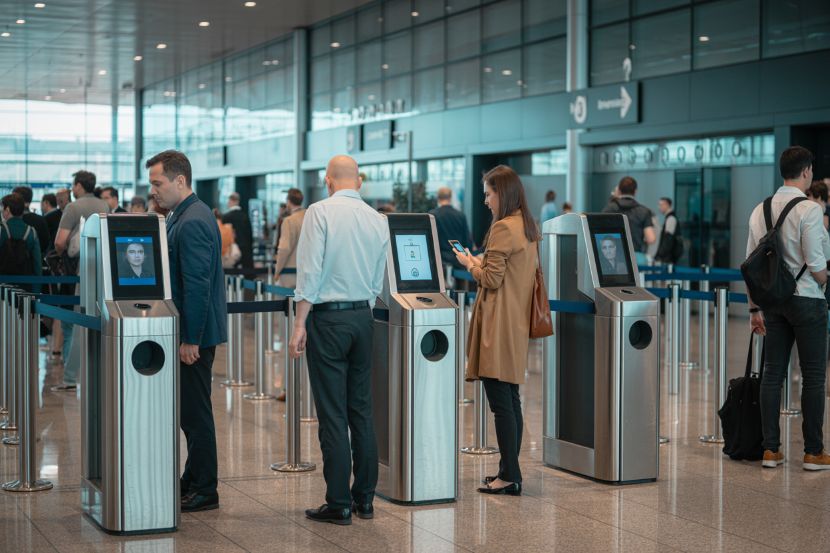
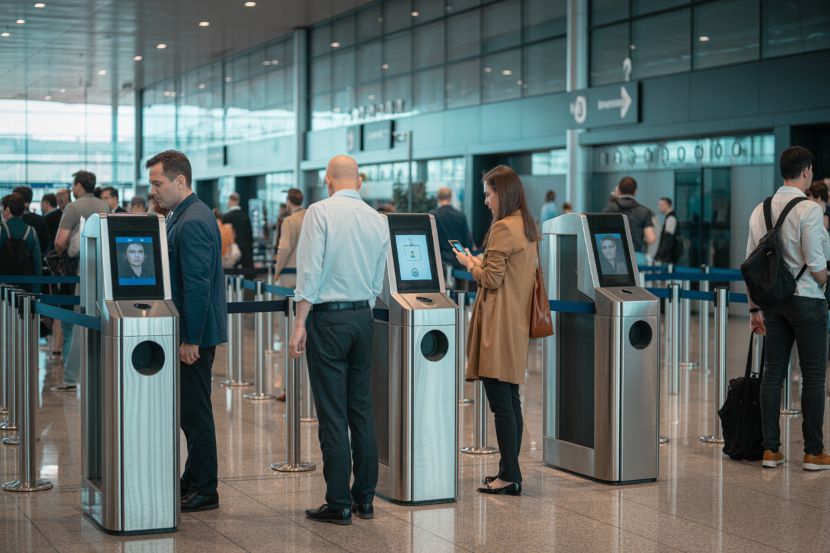
Image generated with Ai
In a move to tackle growing congestion at Europe’s borders, the European Union has rolled out the much-awaited Travel to Europe mobile app. Designed to streamline the entry process, the app aims to ease the impact of the Entry/Exit System (EES). After a successful trial period in Sweden, Portugal has now joined in offering the tool to non-EU nationals visiting Lisbon Airport, one of Europe’s busiest entry points. This move is part of a broader strategy to manage the expected increase in border traffic, as biometric checks become the norm.
The Travel to Europe app allows travelers to submit their passport details and a selfie ahead of their arrival, significantly reducing the time spent at border control. This update marks a major shift in European border management, as it helps to modernize systems, reduce delays, and improve efficiency. Travelers planning trips to Lisbon and Stockholm, as well as other soon-to-join cities, can benefit from this technology ahead of full EES implementation on April 10, 2026.
The Expansion of the Travel to Europe App: What’s Changing for Travelers?
The app, which was first introduced in Sweden in late 2025, is now being rolled out in Portugal, with Lisbon’s Humberto Delgado Airport becoming the first in the country to adopt the tool. Travelers flying into Lisbon will be able to pre-register their passport details and biometric data via the app, saving them valuable time upon arrival. Although it is not mandatory, using the app can significantly speed up the process at border control, making it a highly attractive option for non-EU nationals heading to Europe.
The app’s functions differ slightly depending on the country. For instance, while Portugal only currently supports entry questionnaires through the app, Sweden has allowed full submission of passport data, facial recognition, and travel-related questions. As more countries join the initiative, the app will likely expand its features, making border entry faster and more efficient for travelers across the continent.
What Travelers Need to Know About the EES and App Usage
The Entry/Exit System (EES), which tracks the entry and exit of non-EU travelers using biometric data, is part of a broader effort by the EU to replace the traditional manual passport stamping. The system, which officially began its gradual rollout in October 2025, aims to enhance security and streamline border checks.
With full EES implementation slated for April 10, 2026, travelers can expect to see longer wait times during peak periods, as the system fully integrates. The introduction of the Travel to Europe app, however, promises to mitigate this impact by reducing the time required to process each passenger. By submitting data in advance, travelers will spend less time at the physical border control points, although fingerprint collection will still be mandatory upon arrival.
Advertisement
Advertisement
Portugal’s Busy Lisbon Airport Prepares for More Crowds
Lisbon’s Humberto Delgado Airport, handling over 35 million passengers annually, is one of Europe’s busiest entry points. As the airport adopts the Travel to Europe app, it is preparing for an influx of travelers during the busy summer months. In response to the growing number of international visitors, the Portuguese government has deployed additional border personnel during peak times to ensure a smooth process.
Despite these measures, the airport has experienced long queues in the past, with some passengers missing their flights due to delays at border control. With the introduction of the app, authorities hope to reduce waiting times and offer a more seamless experience for travelers entering the EU. However, travelers are advised to arrive at least four hours before departure, especially during high season, to account for potential delays at border checkpoints.
Key Benefits for Travelers: A Quicker, More Efficient Border Experience
The Travel to Europe app provides a number of key benefits for travelers:
- Reduced Border Wait Times: By submitting passport details and biometric data before arrival, travelers can expect faster processing at border control.
- Increased Accessibility: The system is designed to accommodate travelers with special needs, including the elderly, children, and those with disabilities.
- Improved Security: The use of biometric data enhances security by providing a more accurate and reliable method of identification compared to traditional passport stamping.
Although the app can significantly reduce the time spent at the border, travelers should be aware that it does not replace in-person checks. Fingerprinting will still be required, and the app’s submission process does not guarantee that passengers will bypass all lines, particularly during peak periods.
A Look Ahead: The Impact of ETIAS on European Travel
As part of the EU’s long-term vision for border management, the European Travel Information and Authorization System (ETIAS) is set to launch in 2026. This system will require travelers from over 60 visa-exempt countries to obtain authorization before entering the EU, similar to the US ESTA system.
The introduction of ETIAS, expected to roll out between October and December 2026, will further streamline border entry while providing an additional layer of security. The authorization, which will cost €20, will be valid for up to three years or until the traveler’s passport expires. This system is designed to complement the EES and help manage the flow of non-EU nationals into the EU more effectively.
How the EES and Travel to Europe App Will Shape the Future of Travel
The expansion of the Travel to Europe app is just one part of a broader shift in how Europe manages international travel. By incorporating biometric data and pre-registration, the EU hopes to create a more efficient and secure travel experience. The app and the upcoming ETIAS system are part of this evolving landscape, ensuring that Europe remains a top destination for international travelers while maintaining high standards of security.
As more countries adopt the Travel to Europe app, travelers will likely see an improvement in the ease of entering the EU, though patience will still be required, especially during peak travel seasons. The EU is also working to ensure that the system is flexible and scalable, with the capacity to handle the expected increase in international visitors as the EES becomes fully operational.
What This Means for Travelers: Key Tips to Navigate the New Border System
- Pre-register via the Travel to Europe app before your trip to save time at the border.
- Arrive early at airports, particularly during busy travel periods, to account for potential delays.
- Check the status of the app in your destination country, as its availability and features may vary.
- Expect some delays despite the app’s efficiency, especially during peak travel times.
- Stay informed about upcoming border changes, including the launch of ETIAS in late 2026.
Advertisement
Advertisement
