
Published on
March 31, 2026
Image generated with Ai
For the sun-drenched island of Cyprus, geography has always been its greatest blessing—and its most complex challenge. Positioned at the crossroads of Europe, Asia, and Africa, the “Island of Aphrodite” has spent the last decade transforming itself into a sophisticated Mediterranean hub for high-end tourism, maritime logistics, and digital banking.
However, as of March 31, 2026, a new report from the global credit rating agency DBRS Morningstar has cast a long shadow over this sunny narrative. According to DBRS, the escalating conflict in the Middle East—specifically the tensions involving Israel and neighboring territories—now poses a “significant and multifaceted threat” to the three pillars of the Cypriot economy: Tourism, Ports, and Banks.
The Tourism Paradox: Losing the ‘Neighbor’ Market
In 2025, Cyprus celebrated a record-breaking year for tourism. But as we move into the 2026 spring season, the data tells a different story. For years, Israel has been the second-largest source of visitors for Cyprus, trailing only the United Kingdom.
“The proximity that makes Cyprus an attractive ‘weekend getaway’ for Israelis is now the very thing causing a sharp decline in arrivals,” the DBRS report notes. With regional airspace facing periodic closures and a general sense of unease hanging over the Eastern Mediterranean, the “Short-Haul” luxury market has plateaued.
Advertisement
Advertisement
The Human Impact: In Paphos and Larnaca, hotel owners are feeling the shift. “We used to have families from Tel Aviv arriving every Friday,” says Andreas, a boutique hotelier. “Now, those rooms are empty, and we are having to pivot our entire marketing budget toward Scandinavia and Central Europe just to stay afloat. It’s not just a statistic; it’s our livelihood.”
Ports in the Crosshairs: Logistics and the Red Sea Ripple
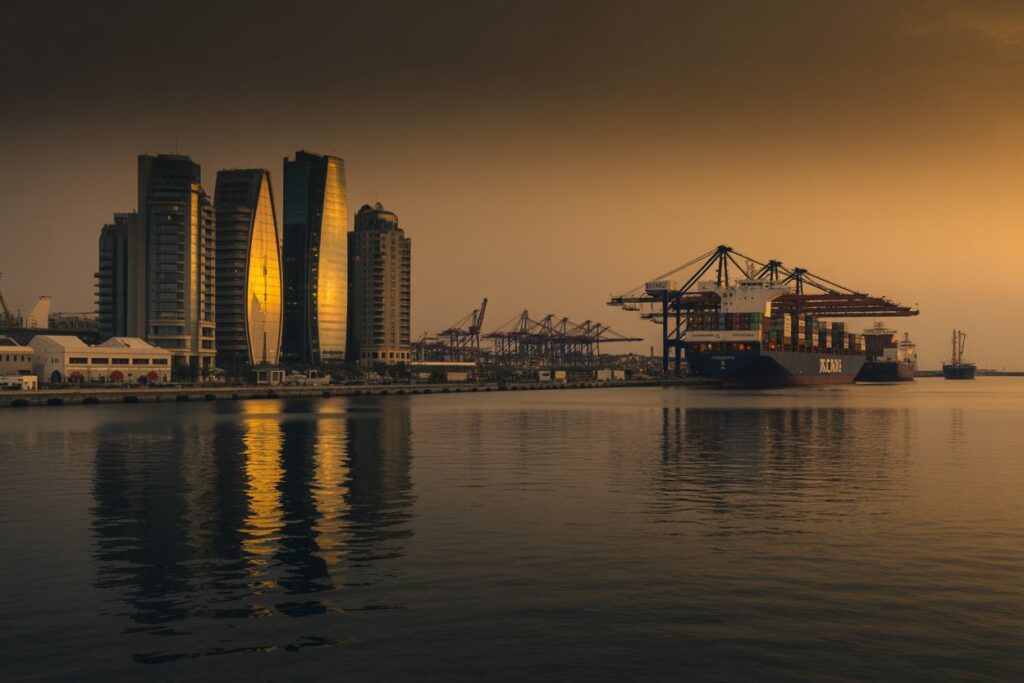
If tourism is the heart of Cyprus, its ports—particularly the Port of Limassol—are its lungs. The DBRS report highlights that the Middle East conflict isn’t just a “land war”; it is a maritime disruption.
Advertisement
Advertisement
As the conflict ripples into the Red Sea and the Suez Canal, global shipping giants are rerouting vessels. While Cyprus is a vital transshipment hub, the increased insurance premiums for “War Risk” in the Eastern Mediterranean are making port operations more expensive.
- Supply Chain Strains: Increased shipping costs are beginning to manifest as “Imported Inflation” on the island, raising the price of everything from construction materials to luxury goods.
- The Cruise Sector: Limassol had recently emerged as a premier “Home Port” for Mediterranean cruises. DBRS warns that if the conflict persists, major cruise lines may bypass the Eastern Mediterranean entirely in favor of “safer” Western routes in 2027.
Banking Stability: A Test of Resilience
Perhaps the most technical warning in the DBRS report concerns the Cypriot Banking Sector. After years of painful restructuring following the 2013 crisis, Cyprus’s banks entered 2026 in their strongest position in over a decade.
Advertisement
Advertisement
However, the Middle East conflict introduces two new risks:
- Asset Quality: DBRS expresses concern that businesses heavily reliant on Israeli investment or regional trade may struggle to service their loans, potentially leading to a rise in Non-Performing Loans (NPLs).
- Investment Flux: Cyprus has become a “safe haven” for Israeli tech firms and regional capital. While this has initially boosted deposits, the “volatility of sentiment” means this capital could exit as quickly as it arrived if the security situation on the island is perceived to change.
“The banking sector is resilient,” the report clarifies, “but it is not immune to the psychological shocks of a regional war.”
Humanizing the Resilience: The ‘Stability’ Strategy
Despite the warnings, the Cypriot government and private sector are not standing still. The Ministry of Finance has already begun implementing a “Diversification Shield” for 2026. This includes:
- The ‘Coolcation’ Pivot: Marketing Cyprus to Northern Europeans as a temperate escape from the extreme heatwaves of the Southern Mediterranean.
- Digital Nomad Incentives: Doubling down on the “Remote Work Visa” to attract tech talent from outside the immediate conflict zone.
- Energy Independence: Accelerating the Great Sea Interconnector project to link Cyprus to the European power grid, reducing its vulnerability to regional energy price spikes.
Looking Ahead: The 2026 Horizon
DBRS Morningstar hasn’t downgraded Cyprus’s credit rating yet—currently sitting at a stable “BBB”—but they have placed it on a “watchful eye.” The agency suggests that the remainder of 2026 will be a “stress test” for the island’s agility.
The message is clear: Cyprus is a ship in a storm. While its hull is strong and its crew is experienced, the waves coming from the East are getting higher. For the traveler, the investor, and the local citizen, 2026 is a year for “informed caution.”
The Bottom Line
Cyprus has spent centuries navigating the storms of history. While the Middle East conflict presents a formidable set of challenges to its tourism, ports, and banks, the island’s ability to pivot—to find new markets and embrace new technologies—remains its greatest asset. In 2026, the “Island of Aphrodite” is learning to be the “Island of Resilience.”
