
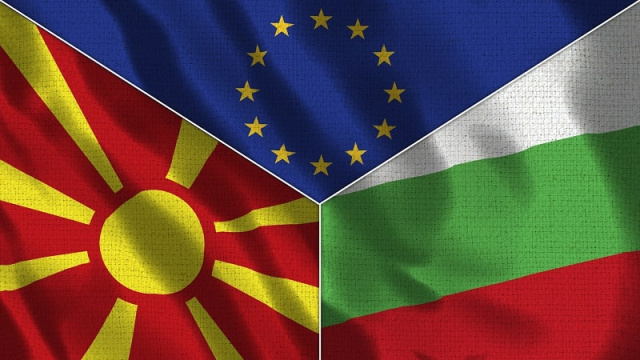
Bulgaria’s Foreign Ministry has reiterated its position that North Macedonia must fully implement its commitments regarding the protection of the rights of communities, particularly in the context of its EU accession process. The statement comes amid concerns raised by organizations representing the Bulgarian community in North Macedonia over a revised draft of an Action Plan on minority and community rights.
According to the MFA, the Action Plan represents a key document within the framework of the 2022 European Consensus, and its implementation will be closely monitored throughout North Macedonia’s accession negotiations with the European Union. The ministry stressed that the process remains directly linked to the fulfillment of agreed conditions between Skopje, Sofia and the EU.
The Bulgarian side argues that once the expected constitutional amendments are adopted and Bulgarians are formally recognized as a constituent part of the country’s civic framework, the Action Plan must ensure the effective and practical enforcement of these rights. This includes guarantees that legal provisions are not only declared but also applied in practice.
Representatives of the Bulgarian community in North Macedonia, in their submitted position, express dissatisfaction that their proposals from December 2025 were not sufficiently reflected in the updated draft. They argue that the document does not adequately address persistent challenges, including institutional pressure, inconsistent application of laws, limitations on self-identification and association, and insufficient safeguards against discrimination and politically motivated hate incidents.
The Foreign Ministry stated that it supports the concerns and demands of the Bulgarian community and calls on North Macedonia to take them into account. It further urged the authorities in Skopje to meet all obligations undertaken within the EU framework and in relation to Bulgaria.
The MFA concluded by emphasizing the need for a credible, sustainable and effective system for protecting fundamental rights, describing this as a prerequisite for continued progress on North Macedonia’s European integration path and for securing broader consensus in the future enlargement process.