
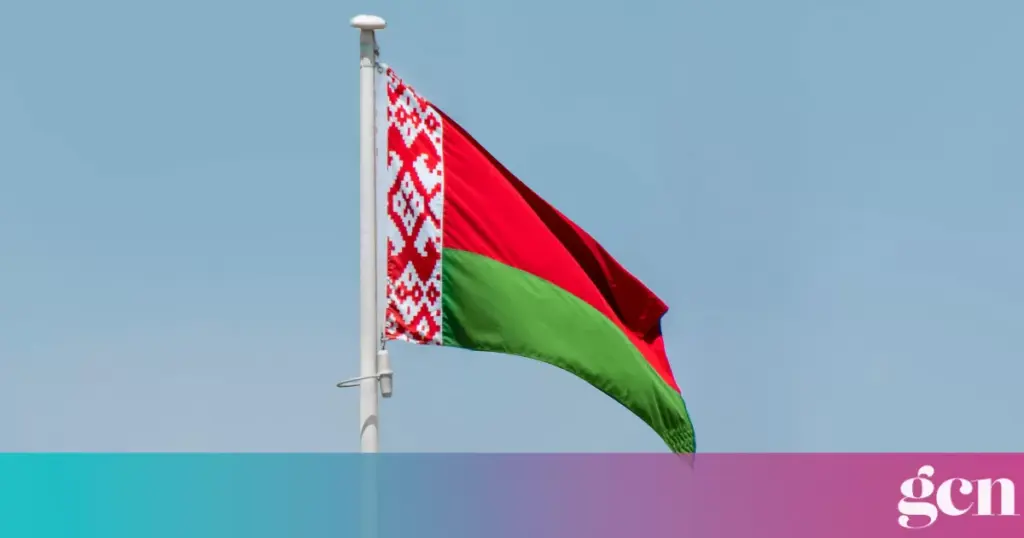
Belarus is set to introduce sweeping new restrictions on LGBTQ+ expression after its parliament approved legislation targeting what authorities describe as the “promotion” of “homosexuality, gender transition and childlessness.” The bill, which has passed both chambers, now awaits the signature of President Alexander Lukashenko, who is widely expected to enact it into law.
Under the proposed measures, individuals accused of “promoting” LGBTQ+ identities could face fines, community service, or up to 15 days of administrative detention. The wording of the bill places homosexuality, transition, and refusal to have children alongside paedophilia, an equivalence that has drawn strong condemnation from human rights advocates.
Although Belarus decriminalised homosexuality in 1994 following the collapse of the Soviet Union, LGBTQ+ people in the country have never enjoyed comprehensive legal protection. Same-sex relationships are not recognised, and discrimination remains largely unaddressed in law. Activists warn that the new legislation could further entrench stigma and legitimise state-led repression.
In recent years, the environment for LGBTQ+ individuals in Belarus has deteriorated markedly. Community organisations have reportedly been shut down, while security forces have conducted raids on private events, including gatherings in nightclubs in the capital, Minsk. Rights groups have also accused the country’s security agency, still known as the KGB, of targeting LGBTQ+ individuals through surveillance and alleged blackmail.
Campaigners say the new law will formalise practices that are already widespread. Alisa Sarmant, a prominent advocate for transgender rights, has warned that authorities will now have explicit legal grounds to intensify crackdowns. She argues that LGBTQ+ people have long faced harassment, arrests, and violence, but that this legislation risks deepening that marginalisation.
There are also growing concerns about the impact on trans individuals in particular. Activists fear the law could restrict access to healthcare and complicate efforts to obtain legal recognition, further isolating an already vulnerable group.
The move aligns Belarus more closely with its neighbour, Russia, and its restrictive policies. The restrictions come amid ongoing international criticism of Belarus’s human rights record. Western governments have already imposed sanctions on Belarus over political repression and its role in supporting Russia’s invasion of Ukraine.
© 2026 GCN (Gay Community News). All rights reserved.
Support GCN
GCN is a free, vital resource for Ireland’s LGBTQ+ community since 1988.
GCN is a trading name of National LGBT Federation CLG, a registered charity – Charity Number: 20034580.
GCN relies on the generous support of the community and allies to sustain the crucial work that we do. Producing GCN is costly, and, in an industry which has been hugely impacted by rising costs, we need your support to help sustain and grow this vital resource.
Supporting GCN for as little as €1.99 per month will help us continue our work as Ireland’s free, independent LGBTQ+ media.