
How Swiss cheesemakers saved the holes in Emmental cheese
Keystone-SDA
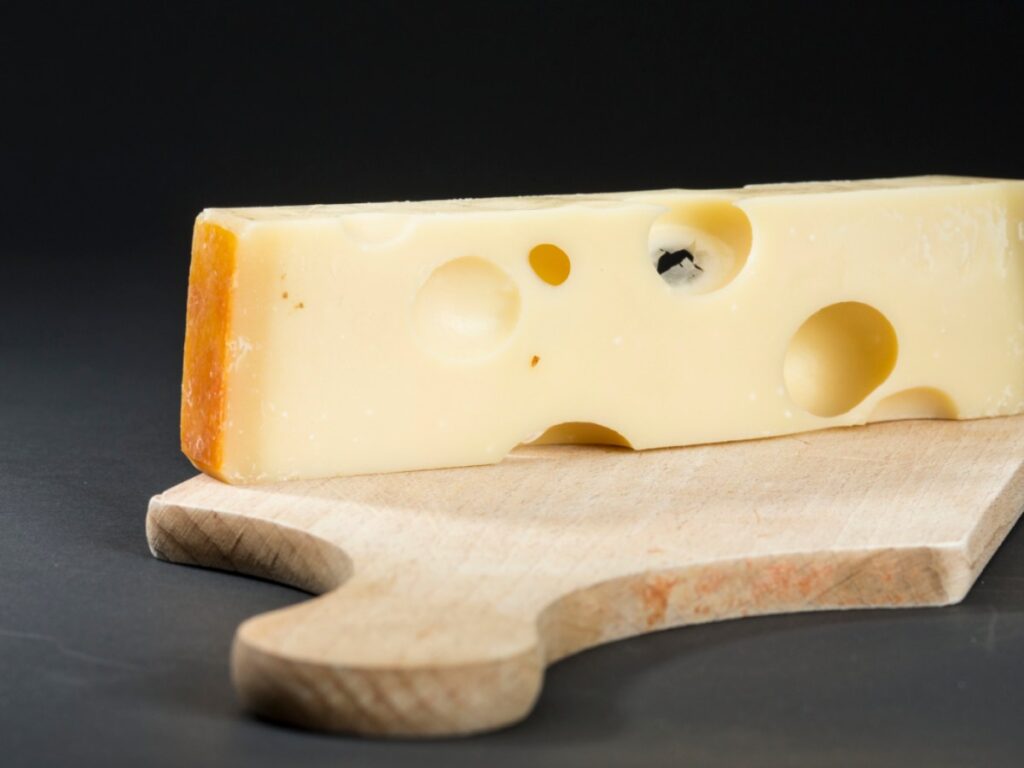
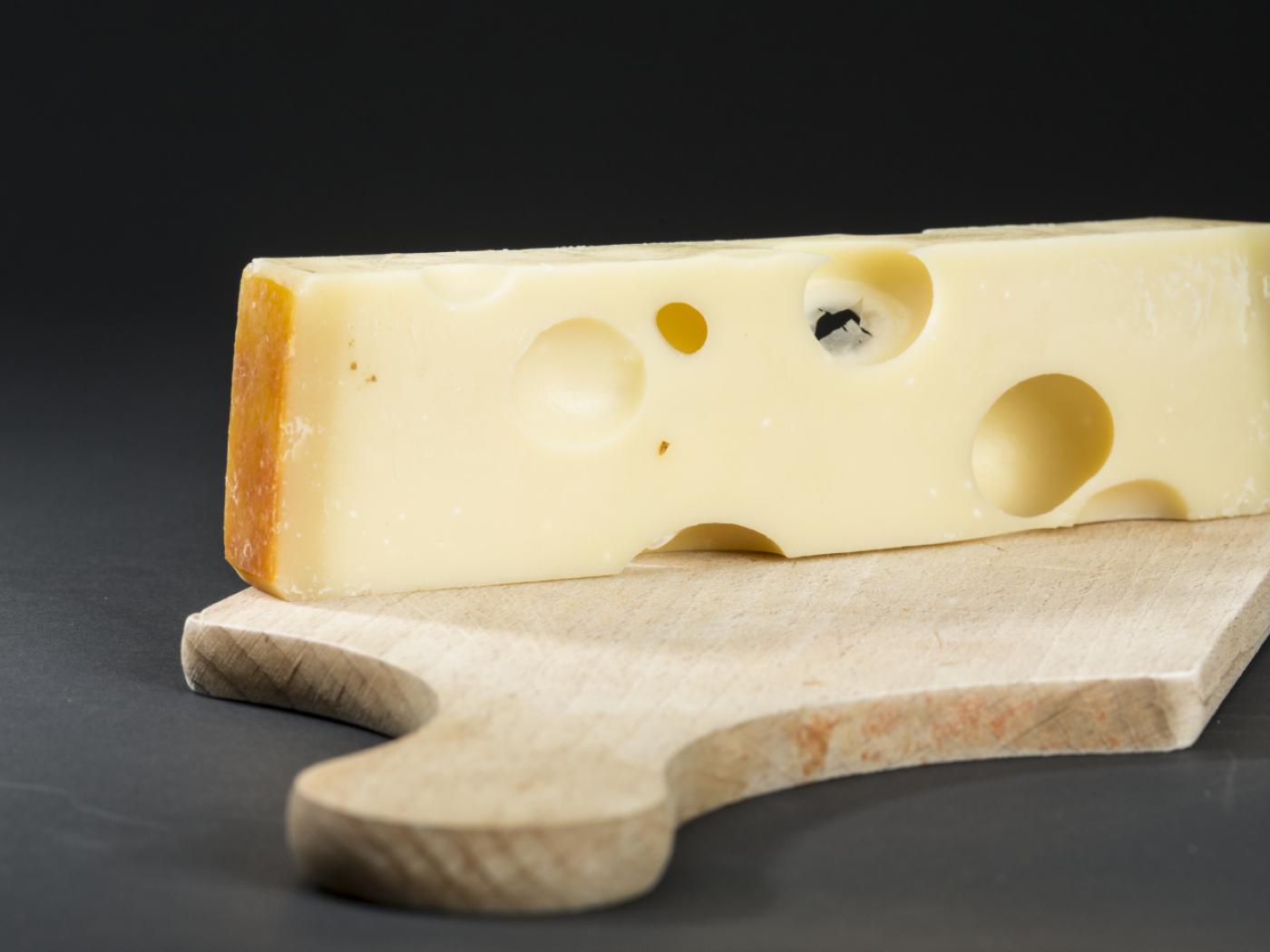
After years of problems with holes in Emmental cheese, Swiss cheesemakers are now allowed to use ‘perforation powder’.
Swiss milk has become too clean. In the past, when the cows were still milked by hand, there were always hay particles from the barn in the milk, according to experts.
+Get the most important news from Switzerland in your inbox
These formed holes during the cheese fermentation process. With automatic milking machines, however, the milk goes directly from the udder into a tank for cooling, without hay particles.
Ground organic hay flowers
The perforation powder consists of 100% organic hay flowers. Brunner uses just the tip of a knife to produce more than 600 kilograms of cheese. “This has improved the holes in my cheese,” he says.
The Emmentaler Switzerland association had to go to court for the use of perforation powder. “Hay flower powder is currently the only and best solution against the disappearing holes,” the Federal Administrative Court summarised.
More

More
Agribusiness
The US plans to buy $10 million worth of Swiss cheese – just not from Switzerland
This content was published on
Mar 30, 2026
US tariffs are being used to procure Swiss cheese produced by American farmers under a special provision to absorb surplus production and protect rural jobs.
Read more: The US plans to buy $10 million worth of Swiss cheese – just not from Switzerland
The Federal Office for Agriculture, which has strict regulations for agricultural products, did not want to authorise its use. It feared an industrialisation of production. This is why the path has only been clear since the court’s judgement in 2025.
“I’m very happy that this powder exists,” says master cheesemaker Andreas Brunner (58). “I’ve had fewer and fewer holes over the years.”
More
View the discussion
Adapted from German by AI/ac
How we work
We select the most relevant news for an international audience and use automatic translation tools to translate them into English. A journalist then reviews the translation for clarity and accuracy before publication.
Providing you with automatically translated news gives us the time to write more in-depth articles. The news stories we select have been written and carefully fact-checked by an external editorial team from news agencies such as Bloomberg or Keystone.
If you have any questions about how we work, write to us at english@swissinfo.ch.
Articles in this story