
The Slovenian government is proposing measures to counter the energy crisis, including strengthening strategic gas reserves, differentiated fuel prices, improving tracking of oil product consumption, VAT cuts on essential foods and improving crisis management mechanisms.
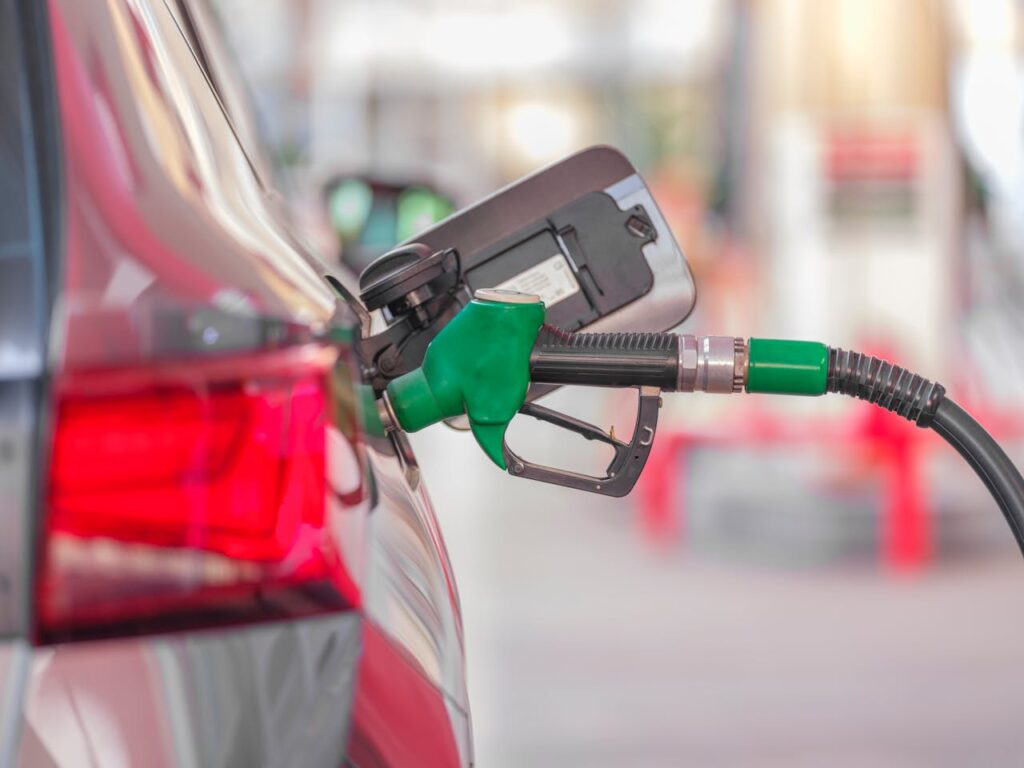
Key energy measures include collecting more accurate data on oil product consumption and commercial stocks; mandatory reporting in case of supply disruptions to end users; and the option to introduce differentiated fuel prices, which could increase stability during emergencies.
Strategic gas reserves and long-term supply contracts
Key measures include building state strategic gas reserves by leasing storage abroad and allowing 3–5-year contracts for up to 90 per cent of volumes. These steps would help shield consumers from price swings, improve supply security, and reduce exposure to volatile markets. The government also plans a guarantee scheme through SID Bank to lower credit risk between energy suppliers and consumers.
Another strategic direction is strengthening logistics in the energy sector, including the option to temporarily relax certain environmental and safety standards when storing key raw materials during crises. The aim is to ensure an uninterrupted supply even during major international disruptions.
VAT cuts on essential foods
Rising energy prices are also putting pressure on the food supply chain. Agriculture Minister Mateja Čalušić announced discussions on cutting VAT on essential foods, mentioning a possible 5 per cent rate, similar to that of neighbouring countries. The measure will be finalised following consultations with stakeholders in the agriculture and trade sectors.
The government is also preparing a list of essential goods and related pricing mechanisms, and reviewing options to create seed and mineral fertiliser reserves.