
6. April 2026
Bosnia (foto: Posnetek zaslona)
Bosnia and Herzegovina chose St. Louis as its World Cup base, relying on a large Bosnian community to create a home atmosphere in the USA.
Bosnia and Herzegovina is preparing for the 2026 World Cup with a strategic decision that blends logistics with emotion, choosing St. Louis as its likely base in the United States.
Talks are in advanced stages, and the decision is expected to be confirmed soon, with the city offering a unique advantage few national teams can match.
St. Louis is home to one of the largest Bosnian diaspora communities in the world.
It is estimated that between 50,000 and 70,000 people of Bosnian origin live in the area, giving rise to the nickname “Little Bosnia.”
For the national team, this means something close to playing at home.
The presence of thousands of supporters could create a powerful atmosphere, offering emotional support and familiarity during a demanding tournament.
The decision is not only symbolic but also practical.
A strong local community ensures easier adaptation, cultural comfort, and a support network that can help players stay focused throughout the competition.
Bosnia and Herzegovina will compete in Group B, alongside Canada, Qatar, and Switzerland.
Their opening match is scheduled for June 12 in Toronto against the host nation, making North America a key stage for the team’s ambitions.
The story behind Little Bosnia adds deeper meaning to this choice.
The community in St. Louis was formed largely during the 1990s, when thousands of refugees fled the war in Bosnia and Herzegovina.
Between 1993 and 2001, around 11,000 people were resettled in the city, with numbers growing significantly through family reunification in the years that followed.
Today, the community has built mosques, cultural centers, and landmarks that preserve identity and heritage.
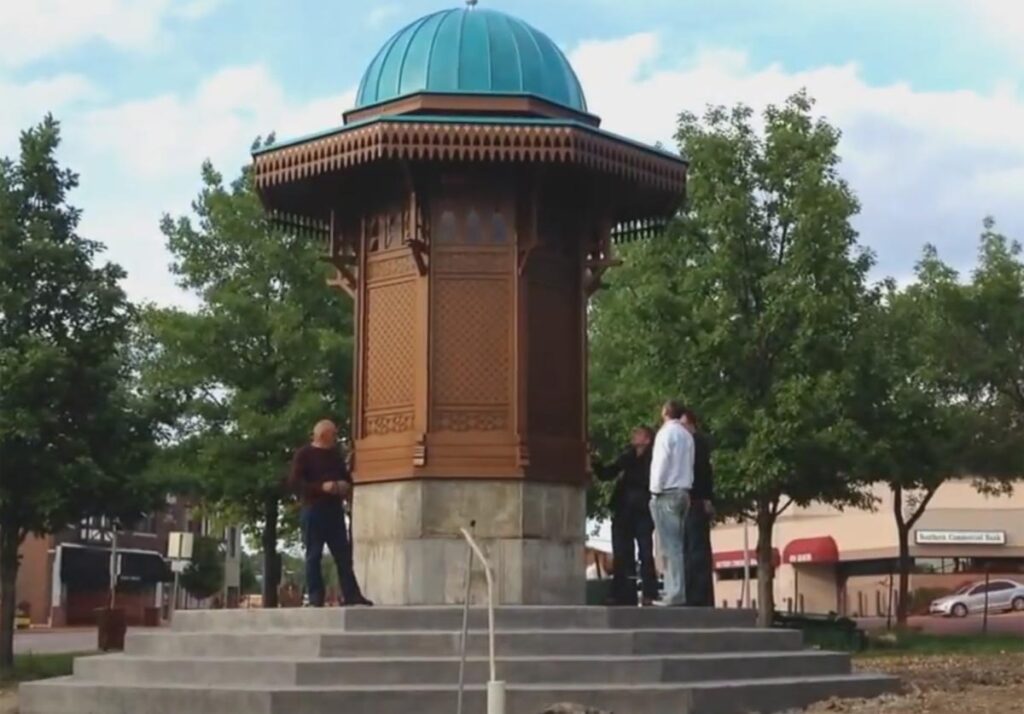
One of the most recognizable symbols is a replica of Sarajevo’s Sebilj fountain, reflecting the deep connection between the city and its origins.
St. Louis is also home to one of the largest groups of Srebrenica survivors outside Bosnia and Herzegovina, adding historical weight to the location.
For the players, this is more than a base camp.
It represents a connection to their people, their history, and a community that has carried the identity of Bosnia and Herzegovina across continents.
As the team prepares for the biggest tournament in football, Little Bosnia could provide a crucial advantage, turning a foreign land into familiar ground.