
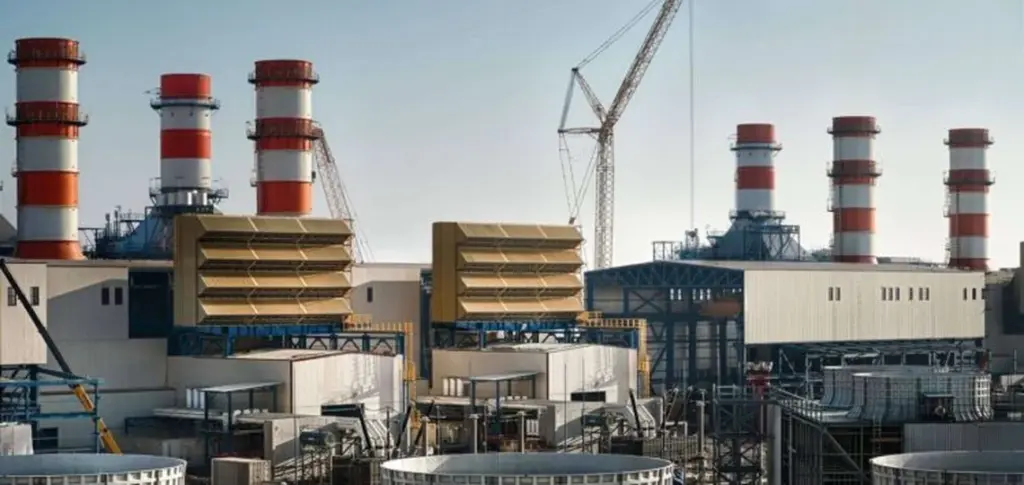
The SUMED pipeline connects Ain Sokhna on the Red Sea to Sidi Kerir on the Mediterranean coast. The infrastructure is operated by Arab Petroleum Pipelines Company (APPC) and has a capacity of approximately 2.5 million barrels per day, according to official data. This route allows crude cargoes to bypass the Suez Canal and directly link the two maritime facades.
According to Asharq Al-Awsat, part of the Gulf’s oil is first transported to the Red Sea via Saudi infrastructure before being fed into the SUMED pipeline. This scheme allows operators to bypass the Strait of Hormuz, the primary chokepoint for Gulf oil exports. Regional tensions are also affecting other strategic corridors, as shown by the Bab el-Mandeb Strait, another waterway in Tehran’s crosshairs.
The Strait of Hormuz: A Chokepoint in Crisis
According to Kpler data cited by Agence France Presse (AFP), traffic through the Strait of Hormuz has declined by 95% since the start of tensions. This maritime passage normally accounts for approximately 20% of global oil supply, making its paralysis a significant event for energy markets. Egypt is looking to leverage its transit infrastructure to capture part of these rerouted flows.
In response to these disruptions, some companies are choosing to reroute around the region by sailing the Cape of Good Hope route, south of Africa. This detour significantly extends distances between Asia, the Middle East, and Europe. It also results in longer delivery times and higher shipping costs.
Iran Considers Imposing Transit Fees at the Strait
On March 30, an Iranian parliamentary commission approved a bill aimed at imposing transit fees on vessels passing through the Strait of Hormuz. The text plans to ban access to American, Israeli, and vessels from countries applying sanctions against Iran. This legislative development adds another layer of uncertainty to this global maritime chokepoint.