

- by croatiaweek
- April 8, 2026
- in
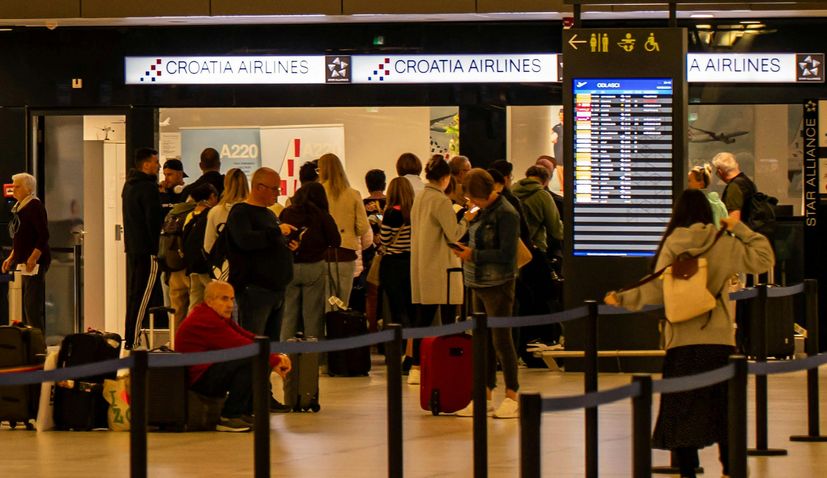
Zagreb Airport
From Friday, 10 April, European Union member states, including Croatia, will begin full implementation of the Entry/Exit System (EES), marking the transition to a fully digital system for recording crossings at the external borders of the Schengen Area.
Croatia’s Ministry of the Interior confirmed that the system’s gradual rollout has now been completed and border crossings will be recorded exclusively through the new digital platform.
According to Interior Minister Davor Božinović, the change will not affect Croatian citizens or other EU nationals.
“For citizens of Croatia and other EU member states there are no changes, apart from increased security. The main changes apply to travellers from third countries,” Božinović said in a statement on Facebook.
Passport stamps replaced by digital records
Under the new system, the traditional stamping of passports for non-EU travellers will be replaced by digital registration.
Authorities will electronically record travel document details along with biometric data such as fingerprints and facial images. The system automatically logs the date and location of entry and exit, the length of permitted stay and any refusal of entry.
Officials say the digital platform will allow authorities to track the duration of stays more accurately, detect overstays automatically and make it harder to use forged travel documents.
For the first time, EU member states will also be able to exchange border-crossing data in real time, further strengthening security across the Schengen Area.
Croatia already processing millions of travellers
Croatia has already been actively using the system during the gradual introduction phase.
Since the system began operating on 12 October 2025, more than 3.75 million files for third-country nationals have been created and verified in the EES system by 1 April 2026.
Božinović said around 10 percent of recorded cases involved refused entry, demonstrating consistent enforcement of Schengen rules.
Croatia has been recognised and praised for implementing the system on time and in line with European Union regulations.
Possible summer delays
Authorities warn that travellers could experience longer waiting times during the summer tourist season, particularly due to the collection of biometric data from first-time users of the system.
However, border crossings have been equipped with additional technology and improved organisation to minimise delays.
The Entry/Exit System is one of the European Union’s key information systems for managing external borders. It modernises border control procedures for third-country nationals entering the Schengen Area for short stays, while also helping EU authorities strengthen external border security, improve migration management, accurately track permitted stays for non-EU travellers, and reduce abuse of visa-free travel rules and overstays.
Travellers are encouraged to familiarise themselves with the new procedures and ensure they have the necessary documentation when crossing EU external borders to help speed up border checks.