
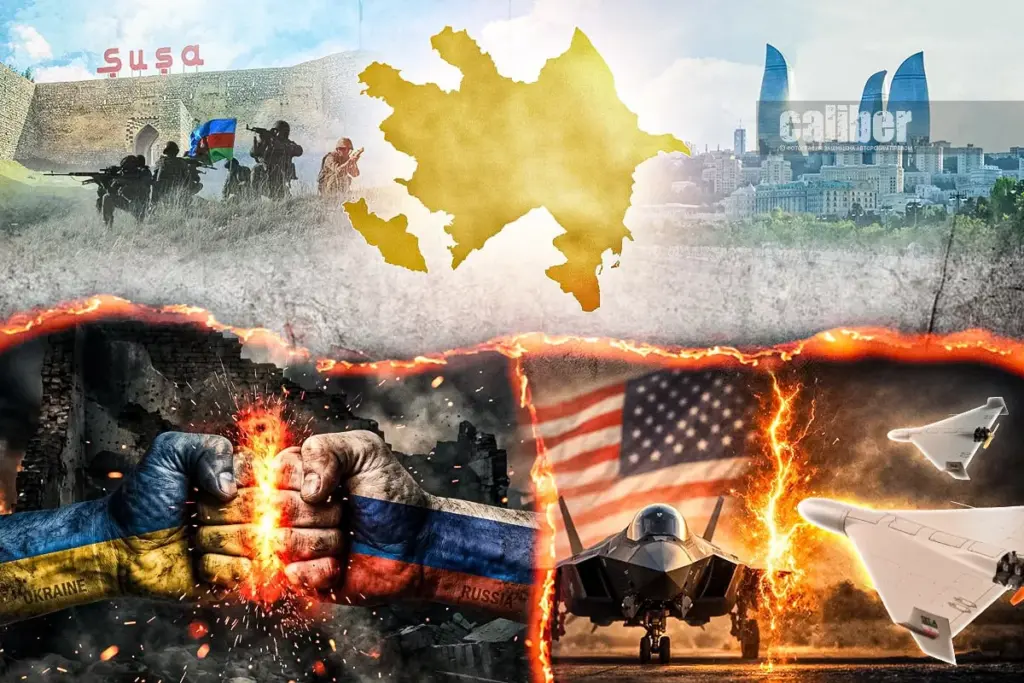
Permanent turbulence and a full-scale crisis of security — these are the words that best describe the current global situation. Now in its fifth year, the war between Russia and Ukraine has turned into a bloody grinder, consuming hundreds of thousands of lives and billions of dollars, with no clear end in sight.
The Middle East, barely recovering from previous upheavals, has once again descended into the chaos of renewed escalation: the confrontation between Iran, on one side, and the United States together with Israel, on the other, has shaken global markets, reshaped shipping and energy routes, and called into question the entire security architecture of the Persian Gulf.
As we can see, the map of global conflicts is expanding, diplomatic mechanisms are faltering, and the very notion of “victory in war” seems to have lost its original meaning and substance.
Against this backdrop, the victory achieved by the Azerbaijani Army under the leadership of the Supreme Commander-in-Chief, President Ilham Aliyev, in the 44-day Patriotic War of 2020, as well as the swift anti-terror operation of September 2023, remain the only example of an absolute and unconditional victory of one state over another — accomplished within the framework of international law and restoring the country’s territorial integrity.
This example warrants special analysis, as it offers answers to questions the international community is increasingly asking today: under what conditions can a war end in a true victory rather than a protracted truce, and what role does the personality of a nation’s leader play in this?
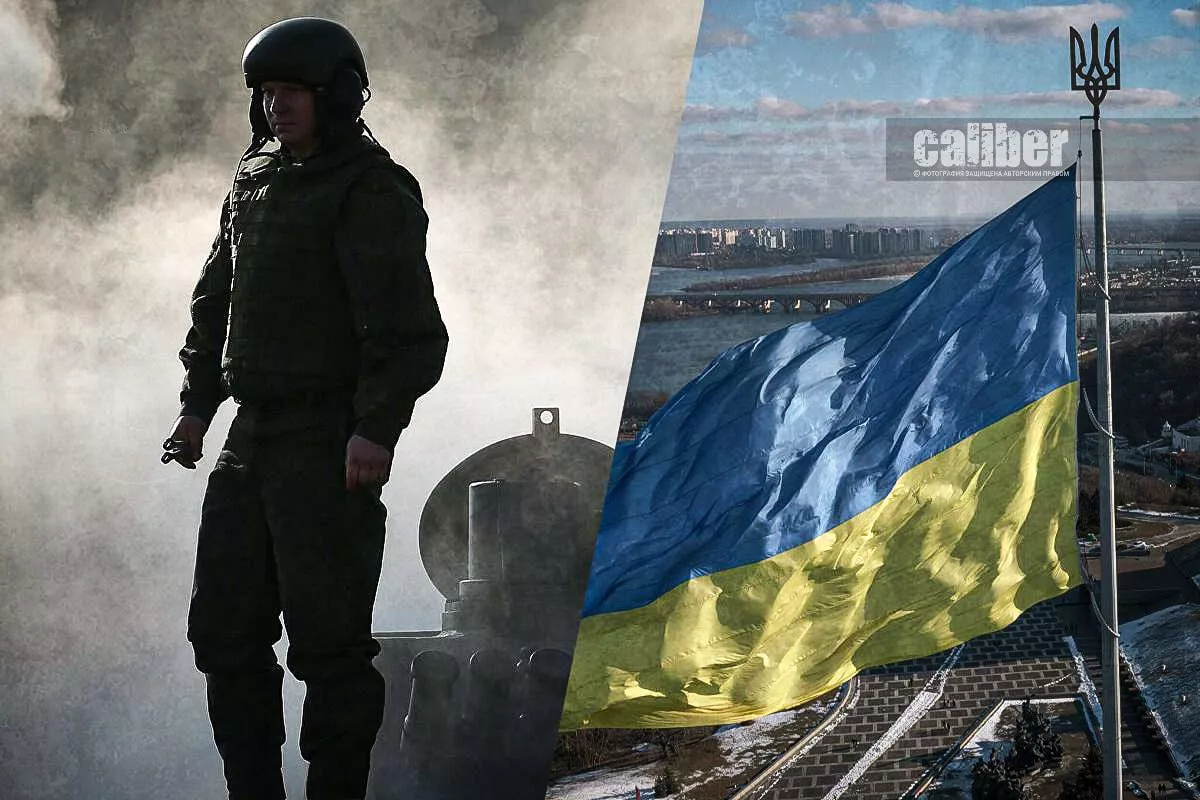
To grasp the scale of Azerbaijan’s achievement, it is enough to look at what is happening around the world. The full-scale Russian-Ukrainian war, which began in February 2022, had by April 2026 evolved into a grinding positional conflict. Russia controls roughly 20 per cent of Ukrainian territory, yet its army advances by only tens of square kilometres per month — at enormous human and material cost. Two-thirds of Ukraine’s energy infrastructure has been destroyed or damaged. Peace talks are ongoing, but neither side is ready to compromise. This is a war without a victor, and none is in sight — only mounting mutual exhaustion.
The situation in the Middle East appears even more chaotic. What began on February 28, 2026 as a series of targeted American-Israeli strikes on Iranian nuclear and military sites — aimed also at eliminating figures of the Iranian regime, including Supreme Leader Ayatollah Khamenei — has escalated into a full-scale regional conflict. Iran responded with massive ballistic missile and drone attacks on Israel and U.S. bases in Bahrain, Jordan, Kuwait, Qatar, Saudi Arabia, and the UAE. The Strait of Hormuz, through which a fifth of the world’s oil passes, was effectively blocked. At the same time, a full-scale war erupted in Lebanon, where Israeli strikes on Hezbollah claimed hundreds of lives.
A two-week ceasefire, brokered by several states, remains fragile: Iran has already accused the U.S. of violating its terms, Israel has declared that the ceasefire does not apply to Lebanon, and Gulf states continue intercepting Iranian drones. The outcome of the negotiations scheduled in Islamabad on April 10 remains highly uncertain.
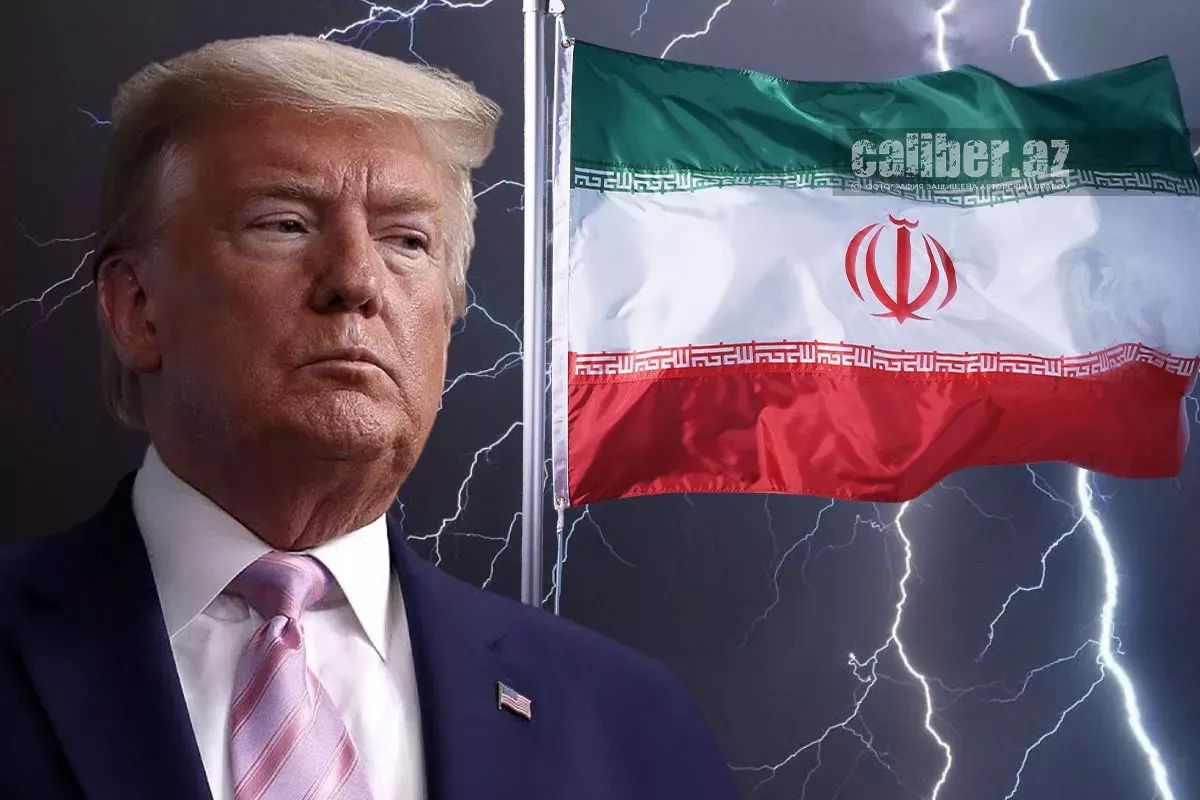
These conflicts share a common pattern: none of the parties involved has been able to achieve a decisive military outcome. Russia is bogged down in Ukraine, paying a disproportionate price for every kilometre gained. The U.S.-Israeli coalition inflicted significant infrastructure damage on Iran but achieved neither capitulation, regime change, nor even a stable ceasefire. Iran has suffered heavy losses but remains unbroken and is setting its own terms for peace. These armed confrontations clearly demonstrate that military might alone—even overwhelming force—does not guarantee victory if it is not backed by a clear strategic goal and the political will to see it through.
This is precisely where Azerbaijan’s experience becomes particularly valuable. In the autumn of 2020, the Azerbaijani state accomplished what for decades seemed impossible to many: in just 44 days, its army defeated the Armenian armed forces, liberated territories that had been under occupation for nearly thirty years, and compelled the adversary to sign an act of capitulation. This stands as a classic example of victory in its full sense—with a defined beginning, decisive conduct of military operations, and a recorded conclusion. There was no protracted truce, no frozen conflict, no ambiguous wording—Armenia acknowledged its defeat.
The outcome of the 44-day war stunned many observers. For nearly three decades, mediators — the OSCE Minsk Group, co-chaired by Russia, France, and the United States — had convinced Baku that no military solution to the Armenian-Azerbaijani conflict existed. Azerbaijan was offered an endless negotiation process, which Yerevan used to entrench the status quo, illegally settle the occupied territories, and establish “state” structures there. When Armenian Prime Minister Pashinyan publicly declared that “Karabakh is Armenia, period,” he effectively destroyed any negotiation substance and made clear that Yerevan had no intention of returning even an inch of the occupied lands.
President Ilham Aliyev of Azerbaijan gave the only possible response. On September 27, 2020, in his first address to the nation during the Patriotic War, President Aliyev mobilised the entire society toward decisive victory: “We are on the right path! Ours is the cause of justice! We will win! Karabakh is ours! Karabakh is Azerbaijan!” These were the words of a leader who harboured no illusions about the adversary’s intentions and was not willing to wait for the international community to solve the problem for him. Behind this address lay years of deliberate preparation — military, economic, and diplomatic.
Aliyev has repeatedly emphasised that victory was made possible by a systematic approach. In his analysis of the factors that determined the outcome of the war, there is no room for chance. “Of course, professionalism, heroism, and the availability of equipment – all these are also important factors. But without moral superiority, without national thinking, not even the strongest army can ever achieve victory,” the President stressed during a speech at Karabakh University. This formula — moral superiority plus material preparation plus political will — became the key to Azerbaijan’s victory.
The military component of this formula is impressive in its own right. For nearly thirty years, Armenia had built a multi-layered defence on the occupied territories, using the mountainous terrain as a natural fortress. Five, six, and in some areas even seven defensive lines were constructed to make any advance seemingly impossible.
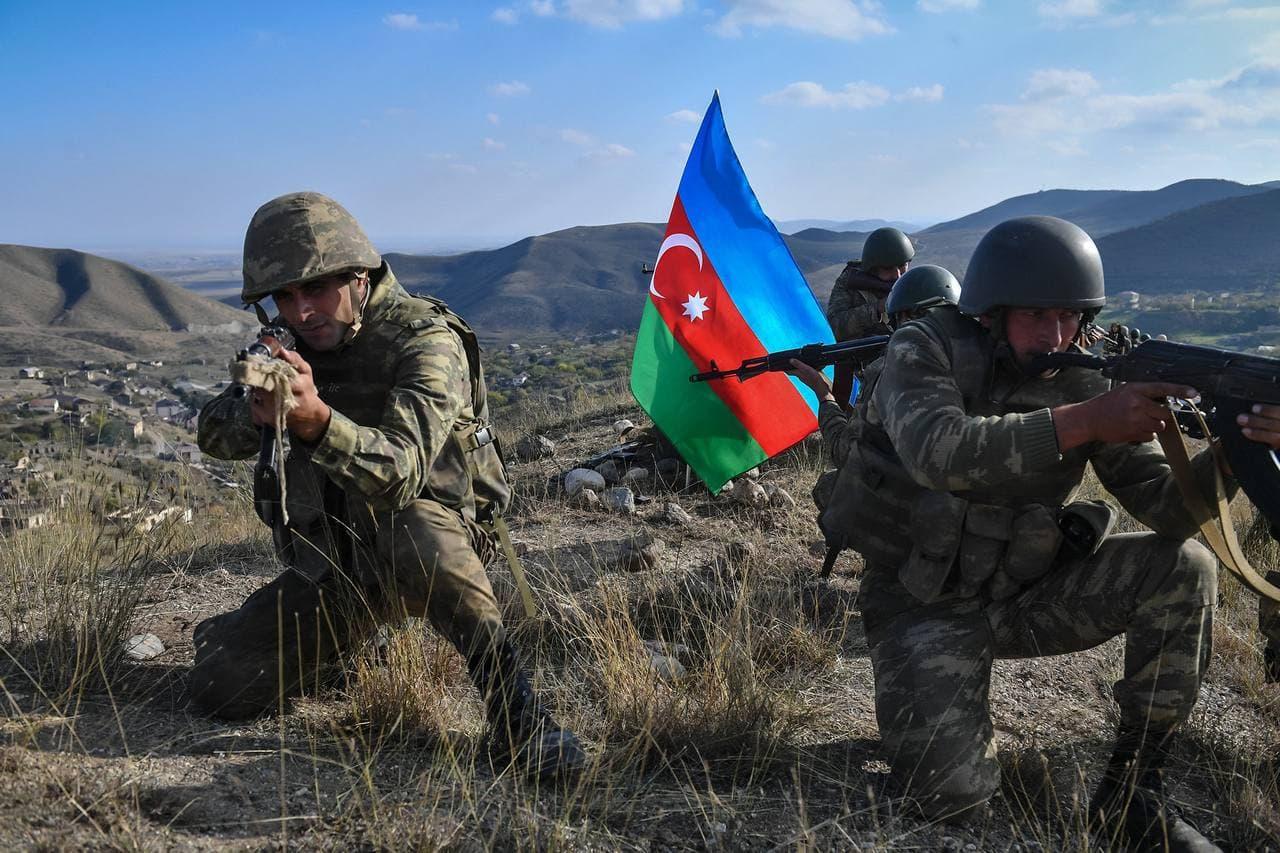
Azerbaijani soldiers and officers broke through these lines day after day, advancing from the foothills up steep slopes and through gorges, bearing losses but never stopping for a moment. As Aliyev noted, “From the first day to the last day of the war, the Armed Forces of Azerbaijan only marched forward. They did not take a single step back for 44 consecutive days.” This statement is not rhetorical — it is a documented fact: every day of the war saw the liberation of populated areas. According to the President himself, nothing like it has been recorded in world military history.
The climax of the war came with the liberation of the city of Shusha by Azerbaijani special forces, who stormed the rocky approaches practically on foot. This broke the will of the Armenian military-political leadership. On November 10, 2020, the Tripartite Ceasefire Statement was signed, which Aliyev rightly described as an act of capitulation. “The enemy fell to its knees before us, waved the white flag, and from now on the people of Azerbaijan will forever live as a victorious people,” the head of state declared. The districts of Aghdam, Kalbajar, and Lachin were returned without a single shot.
The contrast with what we see today in the Russian-Ukrainian and Iranian–U.S.–Israeli conflicts is striking. Over four years of war, Russia has lost hundreds of thousands of troops, occupied roughly 13 percent of Ukrainian territory beyond what it controlled prior to the invasion, and continues to suffer personnel and equipment losses at rates estimated by Ukraine at 35,000 per month. Yet Moscow’s strategic objectives — whatever they may be — remain unmet: Ukraine has neither capitulated, changed course, nor abandoned its European integration. In just 44 days, Azerbaijan achieved all its objectives: it liberated its ancestral lands from occupiers and restored its territorial integrity, as confirmed by a document signed by the defeated side.
The comparison with the Iranian crisis is even more telling. The combined military power of the U.S. and Israel far surpasses that of Iran. Forty days of bombings destroyed Iranian nuclear sites, military bases, and elements of critical infrastructure. The country’s supreme leader was eliminated. Yet the Islamic Republic of Iran did not capitulate. Tehran presented its own ten-point settlement plan, secured a ceasefire mediated by Pakistan, and Iranian officials declared that the conflict had ended “on Iran’s terms.” The ceasefire is fragile, its fate uncertain, and the conflict’s impact on the global economy — from oil price spikes to the paralysis of shipping through the Strait of Hormuz — will be felt for a long time. This conflict demonstrates that overwhelming military superiority allows massive damage to an adversary, but does not impose one’s will.
Azerbaijan, however, imposed its will. It did so because the military operation was guided by a clear, legally justified, and politically impeccable objective — the restoration of territorial integrity recognised by all international organisations. From the outset, Ilham Aliyev set the parameters: “ This Victory proved to the whole world – I want to emphasize this again – that there is no inconsistency between our words and our actions. I said that a second Armenian state would never be created on Azerbaijan’s historical lands. I said that Nagorno-Karabakh would never be granted independence. I said that the Azerbaijani people would never put up with this situation.” This sequence — from words to actions — is what sets the Azerbaijani case apart from all other contemporary conflicts.
Azerbaijan’s victory was shaped not only by military but also by political factors. For years, Aliyev pursued a multi-vector foreign policy, securing strategic room for manoeuvre. The strategic partnership with Türkiye, expressed by President Erdoğan on the very first day of the war — “Azerbaijan is not alone; Türkiye stands beside Azerbaijan” — became a decisive geopolitical factor, deterring those who might have intervened on Yerevan’s side. At the same time, Baku maintained working relations with Moscow, preventing the conflict from escalating into a proxy war between great powers. The diplomatic effort to convey the truth about the Karabakh conflict to the international community, which Aliyev carried out over many years, ensured global understanding of Azerbaijan’s actions. As the President emphasised, in the years following the First Karabakh War, Azerbaijan could not achieve this, and the world’s perception of the conflict was distorted. By 2020, the situation had changed fundamentally.
Baku invested substantial resources in modernising the Armed Forces, acquiring modern weapons and ammunition, and preparing personnel. Regular military exercises enhanced operational cohesion. Technological superiority, demonstrated through the large-scale use of drones and precision systems, became one of the war’s defining factors. “The Second Karabakh War is clear proof of this. The combat readiness of our army has increased significantly,” Aliyev highlighted. At the same time, the President never lost sight of the main factor: “The primary reason for our victory is the Azerbaijani soldier — the man, the warrior, the officer who destroys the enemy and raises the flag over liberated lands.”
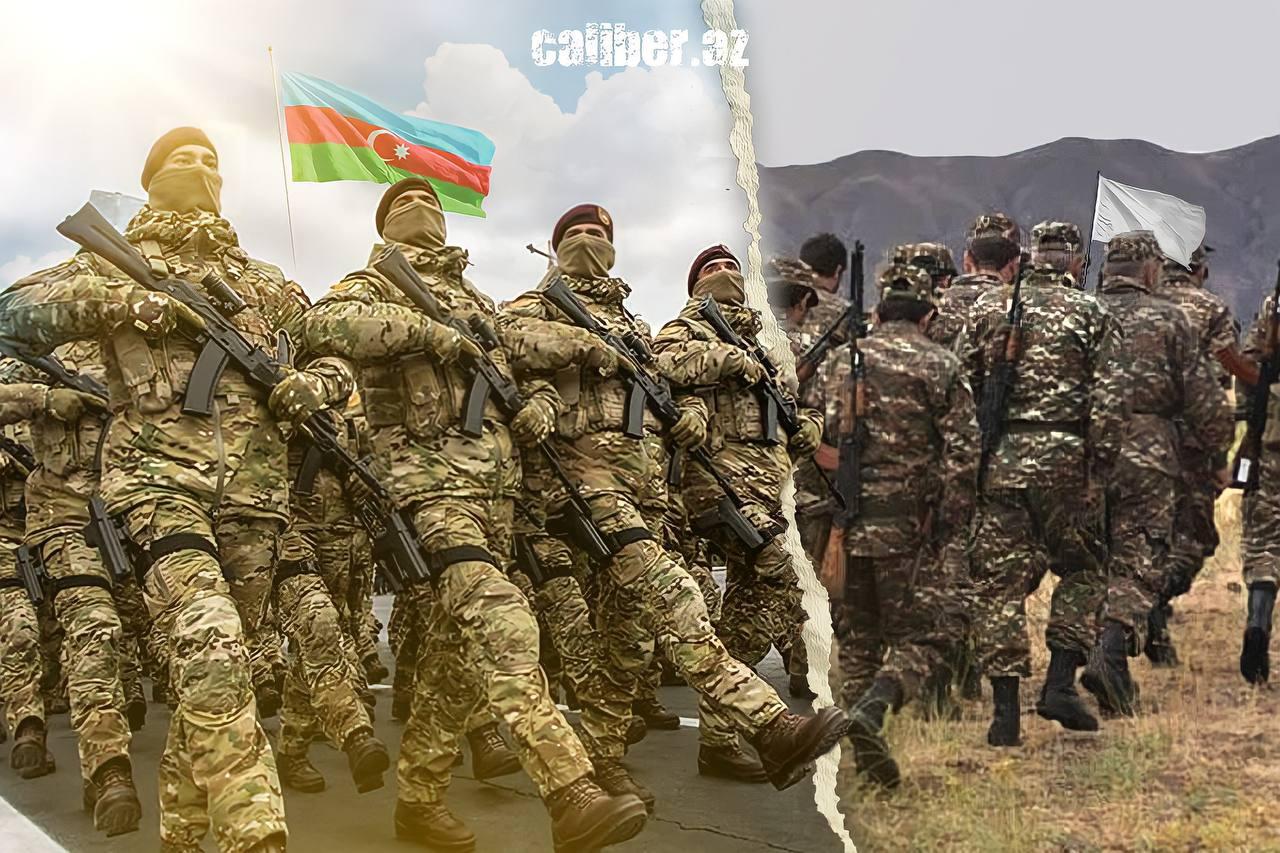
The heroism of the Azerbaijani soldier in the 44-day war is a subject that deserves separate narration, but without it the picture of victory would be incomplete. More than 90,000 young Azerbaijanis took part in the combat operations. None of them left the battlefield. By comparison, according to Armenian officials, the Armenian army saw more than 12,000 deserters. This ratio speaks for itself. Azerbaijani youth, raised during the presidency of Ilham Aliyev, were brought up in a spirit of patriotism and readiness for self-sacrifice. “A young generation has grown up and is ready to face death for the sake of the Motherland, our lands, and our national dignity,” Aliyev said. More than 3,200 Azerbaijani soldiers fell as heroes during the Patriotic War and the anti-terror operation. Their sacrifice ensured the restoration of justice.
The anti-terror operation of September 2023 became the logical conclusion of the process that began in 2020. Despite the Trilateral Statement of 10 November, Armenia did not fully fulfil its obligations: Armenian armed formations remained in Karabakh, while revanchist forces in Yerevan refused to accept the outcome of the war. Aliyev repeatedly warned: “Our patience is not limitless. If the obligations are not fulfilled, Azerbaijan will take the necessary steps.” When these warnings went unheeded, Azerbaijan acted. The Armenian military contingent of more than 15,000 personnel was completely paralysed, and within hours the sides were already discussing surrender terms. The entire process lasted 23 hours. It was a military operation carried out with surgical precision, demonstrating a level of military and political superiority that none of the parties in today’s global conflicts possess.
Today, as the world watches two nuclear powers — Russia and the United States — become entrenched in conflicts from which they cannot extricate themselves without losing face, the Azerbaijani experience acquires significance that goes far beyond its regional context. This experience demonstrates several fundamental truths.
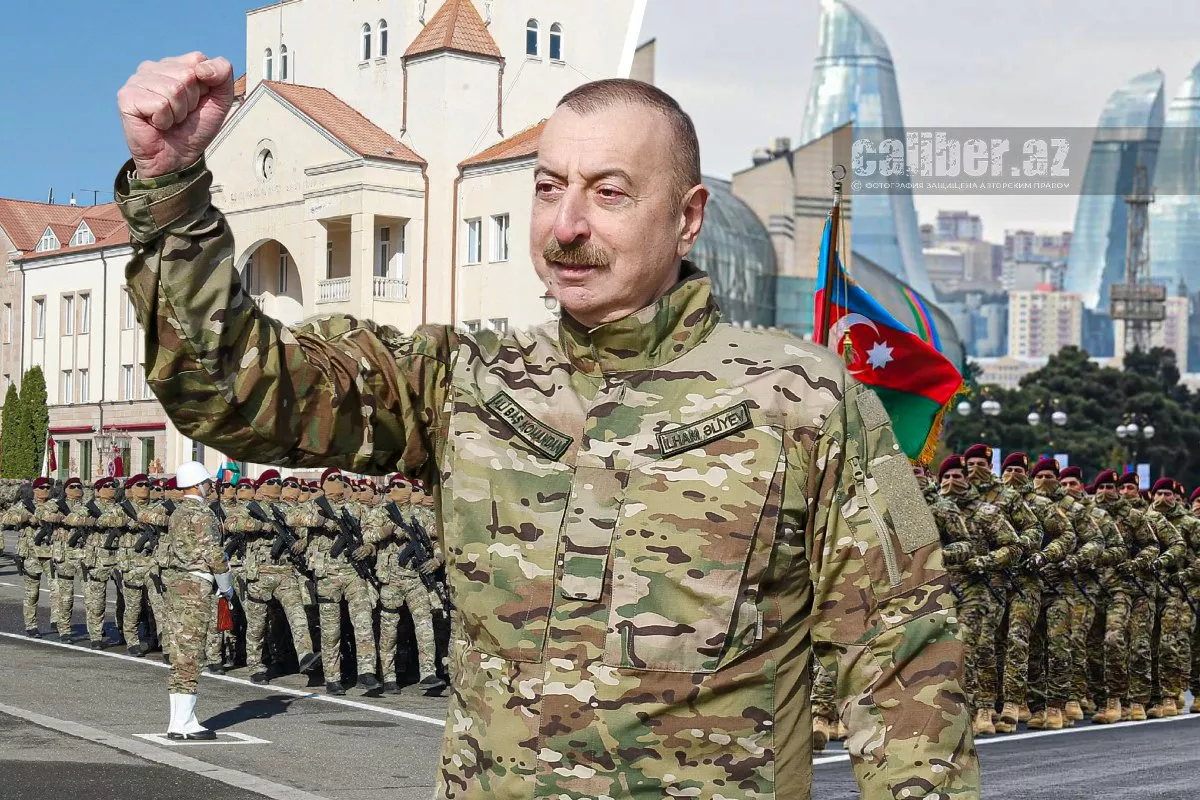
First: a war can be won if it has a clearly defined, legitimate objective. Azerbaijan fought for the restoration of its territorial integrity — a right recognised by international law. Second: military victory is impossible without a political leader capable of making decisions and taking responsibility for them. Ilham Aliyev did not delegate the war to generals or hide behind mediators — he led the country to victory as Supreme Commander-in-Chief, addressing the nation daily and overseeing the course of the operation. Third: victory requires decades of preparation — military, economic, diplomatic, and ideological. Azerbaijan prepared for this moment for thirty years.
“All these words of mine have one source – our strong will and Victory in the Patriotic War! This Victory allows us the opportunity to say these words to everyone, to those who despise us. This Victory gave us this opportunity and gave confidence and spirit to all our people. We have restored not only our territorial integrity but also our national dignity,” these words of Ilham Aliyev, delivered in Shusha on Victory Day on 8 November 2022, represent the quintessence of what the Azerbaijani experience means for global conflict resolution practice.
Pashinyan said: “Karabakh is Armenia, period.” Aliyev responded: “Karabakh is Azerbaijan, exclamation mark.” Today, the world can see who was right.
In a world where conflicts are multiplying and victories are becoming increasingly elusive, Azerbaijan’s example will remain a reference point — a demonstration that a just cause, backed by strong will, competent leadership, and a nation’s readiness for sacrifice, can prevail. Swiftly, decisively, and unequivocally.