
A new report says warming temperatures could lead to the departure and arrival of some bird species in New Brunswick.
Climate Central, a nonprofit research organization in the United States, found that 44 species in the province are at risk if the planet warms to 3 C above pre-industrial temperatures.
According to the United Nations, global temperature changes are often measured against the average temperature over the pre-industrial baseline of 1850–1900 — the earliest period for which high-quality land and ocean surface temperature observations are available.
Roland Chiasson, an ornithologist in the Sackville area, said insectivores, which eat insects, could be impacted the most.
“With climate change, it seems to be more that certain species are just moving further north … and then some of the southern species might try to move in,” Chiasson said.
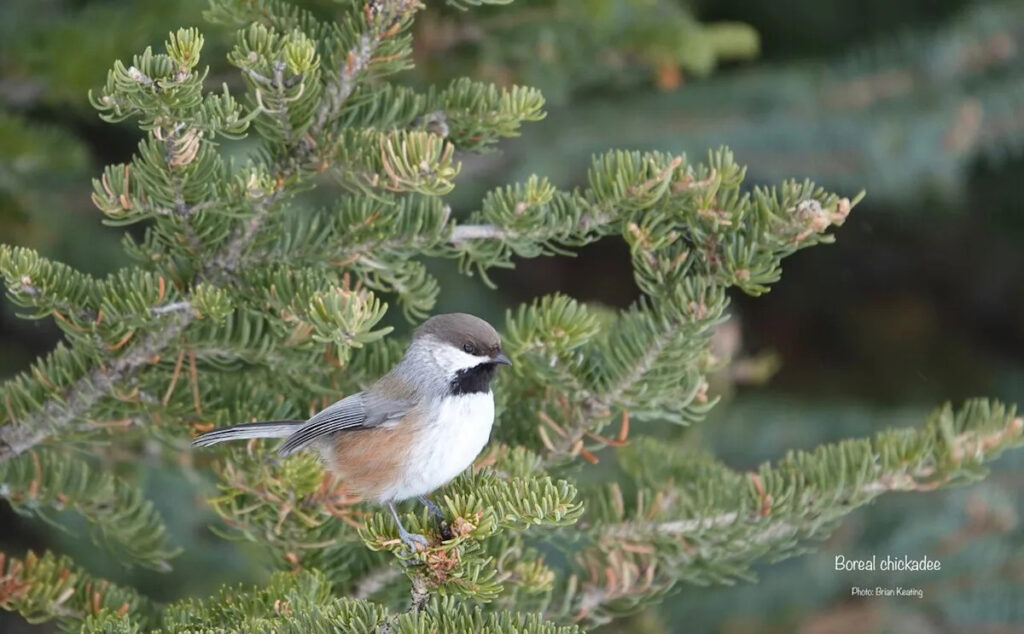
He said birds, such as boreal chickadees, swallows and cardinals could be impacted.
The study predicts what might happen around 20 years down the road.
If temperatures do reach 3 C above pre-industrial temperatures, some warbler populations — the boreal chickadee and the piping plover — could lose the majority of their travel range.
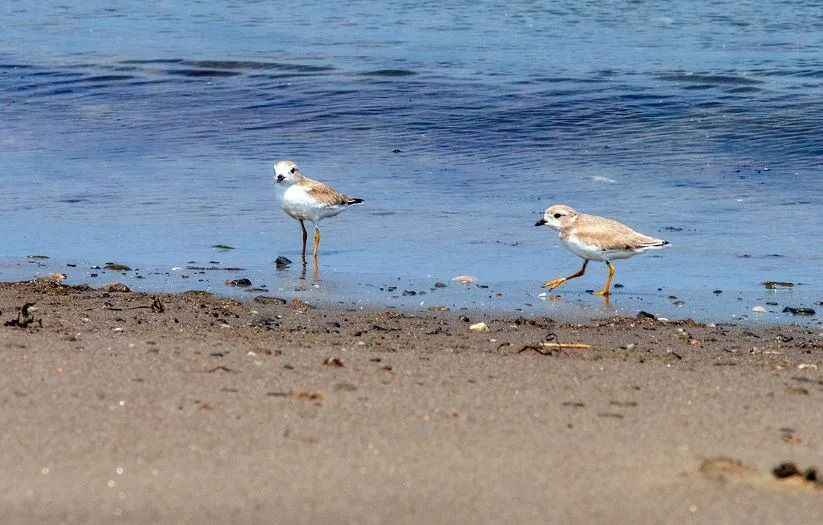
Some warbler populations, such as piping plovers could lose travel range because of warming temperatures. (Andrew Herygers/Nature Conservancy of Canada)
Kelsey Butler, the Atlantic and Quebec region director for Birds Canada, said birds are important to their ecosystems.
“Birds … are, I think, underrated pollinators,” Butler said. “Bees kind of get all the glory.”
She said they carry seeds so if they’re changing their travel ranges enough, they could introduce new plant and tree species to different areas.
That change could disrupt ecosystems if they’re introducing non-native species.
The report said warmer weather could also alter the cues that tell a bird to migrate north, such as rain and temperature.
Chiasson said it can be dangerous for birds if they move north early since there can still be cold snaps in the forecast.
LISTEN | Which N.B. birds could be affected by a warming climate?:
“If we have a very early spring, sometimes the birds get the wrong cues and they arrive and maybe it gets cold again and so there’s fewer insects,” Chiasson said. “So their survival rate decreases.”
Chiasson said the cardinal has become more present in Sackville over the past couple of decades and they’re now staying through the winter.
“‘That’s a bit risky because we’re still getting colder weather,” Chiasson said.
Butler said arriving early is especially tricky when birds have used up so much energy from travelling.
“They have to work a lot harder to keep themselves warm when maybe they’ve just gotten here after a long flight,” Butler said.
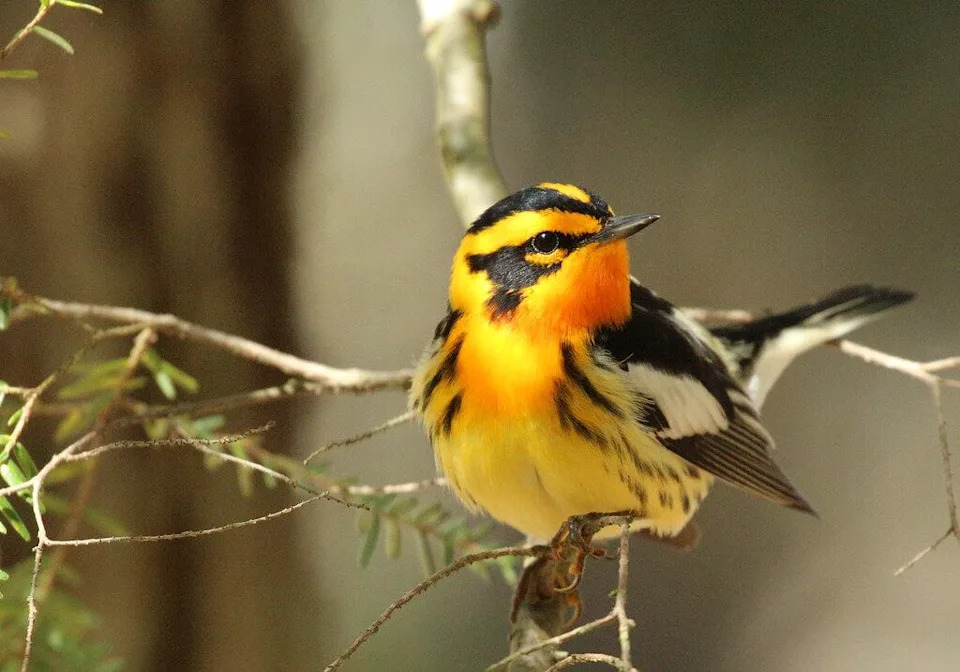
The Blackburnian warbler could lose 99 per cent of its travel range, according to Climate Central’s new report. (Oregon State University/Submitted)
Butler said warming temperatures have already impacted the ability of seabirds, such as gannets and puffins, to find food.
She said if temperatures continue to rise, some birds won’t be able to adapt, depending on the bird and location.
Butler also said that hot and dry summers riddled with wildfires, such as the one New Brunswick experienced last summer, can destroy habitats.