
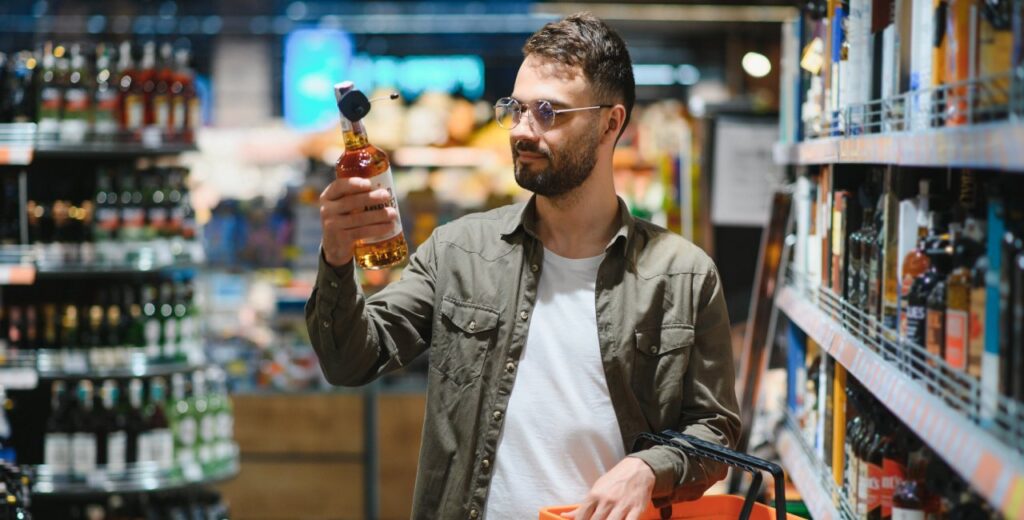
Czech health officials are preparing a series of potential measures aimed at reducing alcohol consumption, including possible nighttime sales restrictions at convenience stores and gas stations, according to Health Minister Adam Vojtěch.
The proposals, which are still under discussion, are part of a broader effort to address what officials describe as one of the highest per-capita alcohol consumption rates in the world. The measures could be presented for coalition-level debate by the summer.
The plans have triggered political disagreement, with some lawmakers supporting tighter regulation while others strongly oppose new restrictions on personal choice. Officials say the primary focus is protecting children and reducing harm linked to excessive drinking.
Nighttime sales ban among measures under discussion
According to the proposals discussed by government officials, alcohol sales could be restricted after 9 p.m. at selected locations such as convenience stores and gas stations. A broader package of measures is being prepared by the Ministry of Health under Vojtěch.
The initiative follows concerns from public health officials that more than one million people in Czechia engage in risky drinking behavior, with broader impacts on healthcare costs and public budgets.

Vojtěch has signaled support for limiting late-night sales as one possible tool. “I support steps that reduce harm associated with excessive alcohol consumption,” he told iDnes.cz, adding that restrictions on nighttime sales could help protect children and young people in particular.
Other ideas being discussed include higher alcohol taxes, tighter limits on advertising, and changes to where alcohol can be sold. Some policymakers have also floated introducing school lessons focused on addiction prevention and substance awareness.
The proposals have exposed divisions within the governing coalition and opposition parties. Some lawmakers from the ANO party have expressed support for limiting late-night availability, particularly at gas stations, citing road safety concerns.
“We want sober drivers,” said Ivana Mádlová, a member of the health committee, arguing that similar measures already exist in other countries.
However, representatives from other coalition parties, including Motorists and SPD, have strongly criticized the idea. Some lawmakers described the measures as unnecessary regulation that would limit personal freedom.

Opposition lawmakers from STAN and the Pirate Party expressed more cautious support, arguing that reducing availability could help address high consumption rates but noting that enforcement and practical implementation would be key.
Debate over effectiveness and enforcement
Some experts and former officials have questioned whether limiting nighttime sales would significantly reduce alcohol consumption, arguing that demand could simply shift to earlier purchases.
Former Health Minister Vlastimil Válek said the idea merits discussion but stressed the need for data showing real impact. He also warned that supermarkets with longer opening hours could undermine the effectiveness of such restrictions.
Critics of the plan argue that individuals with alcohol dependence would likely prepare in advance, limiting the policy’s overall effect. Others say stronger prevention, treatment services, and education would be more effective than sales restrictions alone.
Supporters of broader reform, however, argue that alcohol is too easily available in Czechia and that gradual restrictions could help shift long-term consumption habits. The Ministry of Health is expected to present its package of measures to curb alcohol consumption for coalition discussion before the summer.