
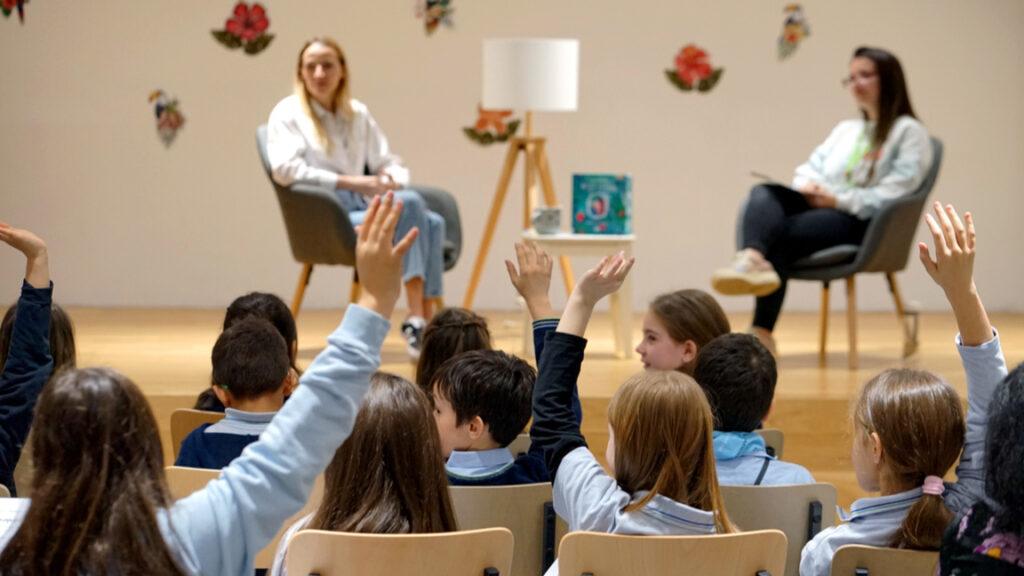
We live in a rapidly advancing technological world that raises more questions than it provides answers or solutions. One of the few things that gives us clarity is that we must preserve what is human within us while developing future skills and higher-order thinking.
To prepare for new challenges, children need to be able to think independently, make their own decisions and be flexible and adaptable, given that it is unclear what kind of world they will live in, says Antoaneta Kalenderova, head of one of Bulgaria’s largest private secondary schools. At the same time, she adds, they need to develop empathy and a moral compass to distinguish right from wrong — qualities and skills that artificial intelligence lacks.
But does the modern school system have the capacity to develop these qualities and skills?
“Schools need to provide role models and create opportunities for developing skills, rather than simply accumulating passive knowledge,” says Ms Kalenderova. “It is also important that young people are involved in decision-making about what happens in the school environment.”
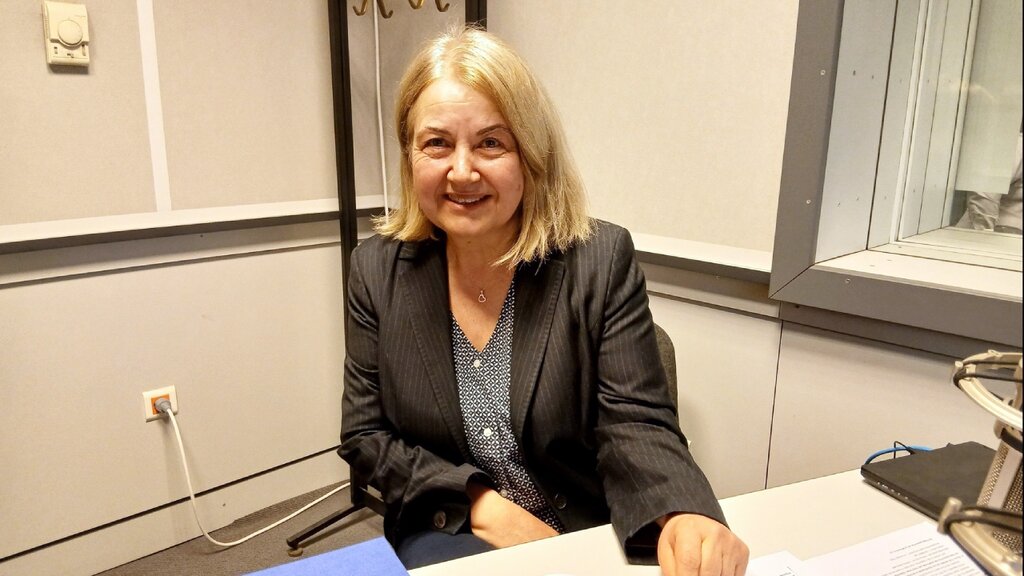
Antoaneta Kalenderova
PHOTO Diana Tsankova
She hopes that new models of education are being developed in Bulgaria, but does not hide what she calls “a major concern among teachers — that that national assessments and school-leaving exams tend to require students to reproduce knowledge.”
As a result, more schools are taking the initiative themselves. Ms Kalenderova gives her own school as an example:
“We do this through project-based learning, giving students the opportunity to develop projects from an initial research question, through background research, to a final outcome. This includes projects to improve the school environment, as well as producing the school’s theatre performance.”
Looking ahead, she expects teachers to be given greater freedom in structuring the curriculum, choosing content and deciding on teaching methods — particularly as international models already exist. One example of this is the International Baccalaureate, which focuses on developing critical and creative thinking.
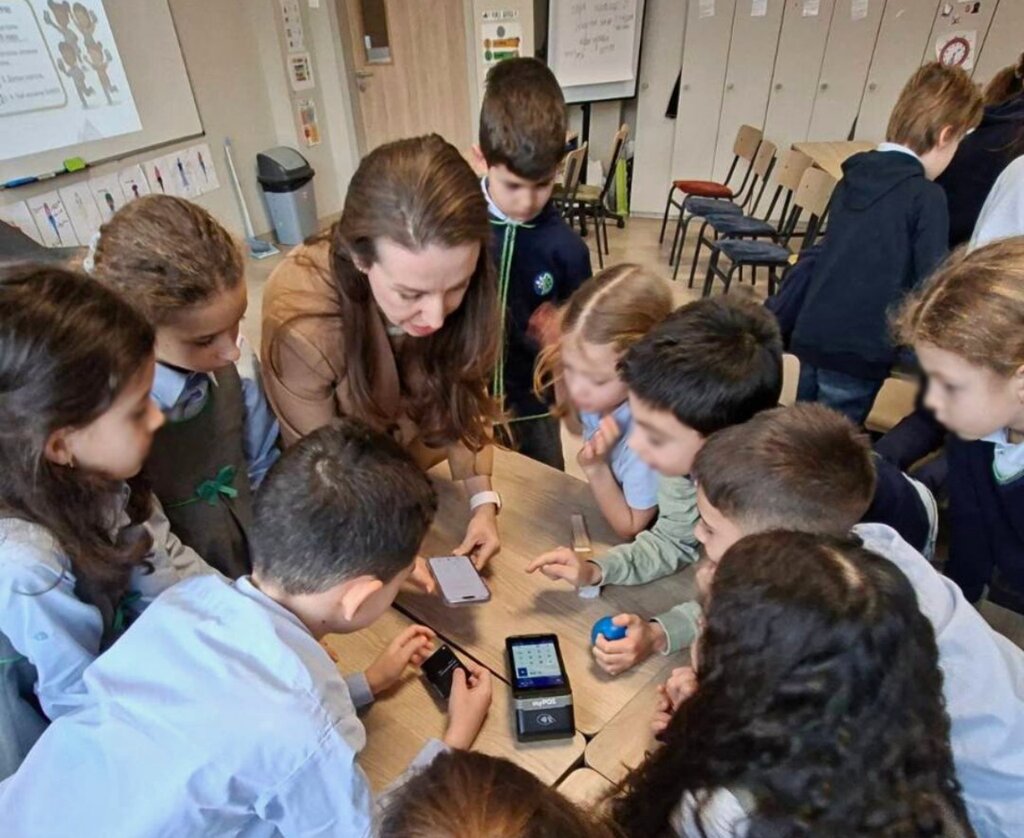
PHOTO Britanica Park School
“In this international programme, widely regarded as a gold standard in education, a literature teacher selects six books from different authors and periods, which students study over two years,” she told Radio Bulgaria. ‘By comparison, our teachers cover 23 works in the final year alone.’
“Most education systems around the world are now at a stage where they are asking what needs to change,” she added.
“Recently, there has been growing discussion around social and emotional learning,” she says. “It represents, at least to some extent, a move away from purely mechanistic models, where children are expected to leave their emotions, needs and personal experiences at the classroom door. Striking the right balance is essential.”
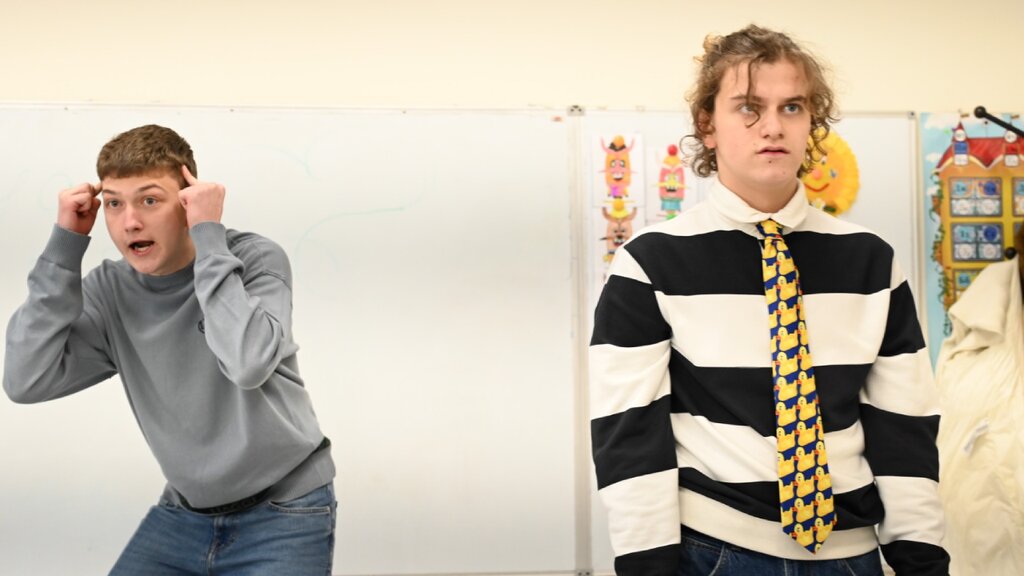
PHOTO Britanica Park School
Another step that could help young people better understand what lies ahead is forming partnerships with businesses to provide practical experience and guidance on career choices. “Students often have little idea what different professions actually involve, while schools remain disconnected from the needs of employers,” she says.
If there were a competition for optimism about the present and future of Bulgarian education, Ms Kalenderova would likely be a strong contender. “I wouldn’t recommend that anyone who is not an optimist work in a school, because children need inspiration, and that can only come from inspired people,” she concludes.
Further reading:
Editor: Elena Karkalanova