
Published on
April 14, 2026
Image generated with Ai
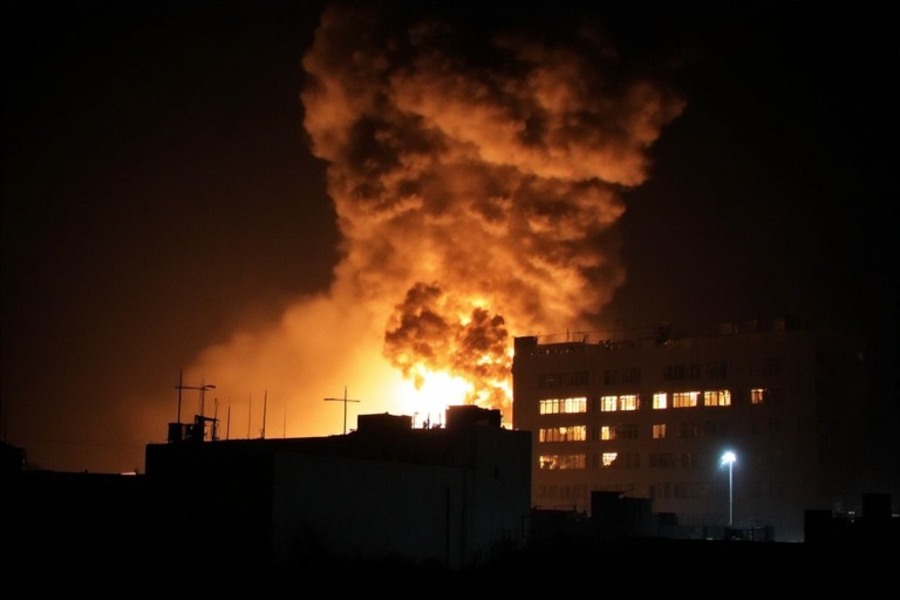
Sweden Joins Bulgaria, Germany, Switzerland, Italy, Hungary, Ireland, and More in Bold and Unwavering Support to Offer Emergency Visa Extensions, Protect Against Penalties, and Expedite the Return of Stranded Travelers from Middle Eastern Countries due to the escalating crisis in the Middle East, which left thousands of travelers stranded across Israel, Qatar, the UAE, Bahrain, and Iraq. With airspace closures, flight cancellations, and increasing tensions, these European countries swiftly coordinated efforts to provide emergency visa extensions, penalty-free stays, and repatriation flights to ensure the safe return of their citizens. This collective action not only ensured the safety of thousands of nationals but also demonstrated the power of international cooperation during a time of crisis.
As the Middle East has faced regional turmoil, travelers from all corners of the globe found themselves stranded due to airspace closures, flight cancellations, and heightened tensions. Among the European nations taking immediate action, Sweden, in collaboration with countries such as Bulgaria, Germany, Switzerland, Italy, Hungary, Ireland, and others, has stepped up to ensure that its citizens—and those of other European nations—are able to return home safely. These countries have combined resources and political will to provide emergency visa extensions, penalty-free stays, and expedited repatriations, facilitating the swift return of thousands of travelers from conflict zones in Israel, Qatar, the UAE, Bahrain, and Iraq.
Sweden’s Swift and Coordinated Effort to Protect Its Nationals
Sweden has been a key player in the European response, particularly when it comes to providing logistical support for stranded citizens in the Middle East. As soon as airspace closures took place, Sweden’s Ministry for Foreign Affairs (UD) began mobilizing consular support teams to assist travelers in Israel, Qatar, UAE, and Iraq. These teams were tasked with providing emergency visa extensions, offering penalty-free stays, and coordinating repatriation flights.
The Swedish government offered emergency consular services, including the issuing of temporary travel documents for travelers whose passports were lost or stolen. Additionally, the Swedish government arranged charter flights for vulnerable individuals, including those with medical conditions or families with young children, to return home safely. Sweden’s action was quick and efficient, as they partnered with other EU countries under the European Civil Protection Mechanism to organize multiple repatriation flights.
The Swedish diplomatic efforts also involved coordination with airlines and regional governments, particularly in the UAE, to ensure the safe return of travelers. Sweden’s cooperation with travel companies like TUI and Apollo helped Swedish nationals who were stuck in the UAE and Qatar make their way back home. Moreover, Sweden also worked closely with neighboring Nordic countries to ensure that repatriation operations ran smoothly.
Bulgaria’s Immediate Measures for Stranded Travelers
As a part of a unified European response, Bulgaria took swift action to assist its nationals. Bulgaria’s Ministry of Foreign Affairs deployed emergency consular teams to Dubai and Abu Dhabi to help stranded travelers. The Bulgarian government issued emergency visa extensions to all nationals who were unable to return due to flight disruptions.
Advertisement
Advertisement
For those who had overstayed their visas due to the crisis, Bulgaria provided penalty-free stays, ensuring that its citizens did not face fines for immigration violations. In addition to visa and stay extensions, Bulgaria made sure to coordinate repatriation flights for its citizens, particularly from the UAE and Qatar. The Bulgarian government worked closely with airlines and regional authorities, ensuring smooth travel through airports like Dubai International and Abu Dhabi.
Bulgaria also supported the EU Civil Protection Mechanism, contributing to the repatriation of Bulgarian citizens from Iraq and other affected areas. By offering both logistical and financial support for its citizens, Bulgaria has been praised for its swift response during this international crisis.
Germany’s Unprecedented Repatriation Efforts
Germany, known for its efficient diplomatic efforts, responded quickly to the crisis by organizing several emergency repatriation flights for its nationals stranded in Israel, Qatar, UAE, and Iraq. The German Ministry of Foreign Affairs worked in tandem with the European Union to secure penalty-free visa extensions for German nationals whose stay was prolonged due to the conflict.
Germany’s repatriation flights were some of the first to take off from Dubai and Abu Dhabi, carrying hundreds of Germans back home. Not only did these flights include nationals from Germany, but also several other European nationals who were fortunate enough to be on board. The German government made sure to cover the costs of these flights for citizens who could not afford them, thereby ensuring that finances would not become an obstacle for their safe return.
Additionally, Germany worked with private travel agencies to ensure that Germans were promptly booked on available commercial flights once airspace opened up. As the situation evolved, Germany remained vigilant, offering real-time travel advisories and consular support throughout the crisis.
Switzerland’s Focus on Expedited Repatriation and Assistance
Switzerland has been a leader in diplomatic support, offering both financial and logistical assistance to its citizens stranded in Israel, Qatar, and the UAE. Swiss nationals received emergency visa extensions without penalties, ensuring they could remain in the Middle East without facing immigration fines for overstaying.
Switzerland’s embassy teams were deployed in key cities, such as Doha and Abu Dhabi, where they facilitated the swift departure of Swiss travelers through charter flights and available commercial services. The Swiss government coordinated with both regional authorities and international agencies to organize safe passage for their nationals.
Switzerland’s response included specific assistance to travelers with medical needs, helping them board flights back to Switzerland in special conditions. Thanks to their quick thinking and efficient action, Switzerland has been recognized for its leadership in providing aid to its citizens and other Europeans stranded in the region.
Italy’s Extensive Measures to Support Stranded Nationals
Italy, always at the forefront of European diplomatic cooperation, has provided an extensive range of measures to assist its nationals. The Italian Ministry of Foreign Affairs worked closely with EU partners to secure repatriation flights and emergency visa extensions for Italians in Qatar, the UAE, and Iraq.
In addition to charter flights, Italy negotiated with commercial airlines to ensure safe, priority boarding for Italian nationals stranded in the Middle East. These flights, coordinated between Rome and airports in the UAE, ensured that Italian travelers could safely return as soon as possible.
Italy also provided consular support to travelers, including facilitating the issuance of emergency travel documents for those who had lost their passports. The Italian Red Cross and other humanitarian organizations were also involved in providing aid and comfort to vulnerable citizens, including families and the elderly.
Hungary’s Prompt Action in Crisis Management
Hungary, as part of its European Union commitment, was quick to act during the crisis. Hungary’s Ministry of Foreign Affairs offered emergency visa extensions to nationals who were stranded in Israel, Qatar, and the UAE due to the closure of airspace. The Hungarian government issued clear instructions for travelers, providing information on how to extend visas and stay in the region without facing penalties.
Hungary collaborated with EU partners to arrange evacuation flights, particularly from Dubai and Abu Dhabi. These flights were focused on Hungarian nationals, but also included other European citizens in need of assistance. The Hungarian government also helped secure alternative transportation routes for those who were unable to fly out, particularly in countries like Qatar.
Ireland’s Response to the Crisis
Ireland has always maintained a strong diplomatic stance in international crises, and this was no different when its citizens were stranded in the Middle East. The Irish Embassy worked in close coordination with European Union partners to offer penalty-free visa extensions for Irish nationals who were unable to leave the region. The embassy also organized special charter flights to repatriate stranded travelers from the UAE and Qatar.
Ireland’s embassy teams on the ground were instrumental in facilitating medical evacuations and ensuring that vulnerable citizens, including the elderly and children, were given priority in evacuation plans. Irish authorities worked tirelessly to ensure that no citizen was left behind as the situation escalated.
The United Kingdom’s Role in Assisting Stranded Nationals
Though no longer part of the European Union, the United Kingdom played a key role in evacuating its nationals. UK authorities were quick to implement emergency visa extensions for British citizens who were unable to leave the region due to airspace closures. These measures were put in place to ensure that British nationals would not face penalties for overstaying.
The UK Foreign and Commonwealth Office launched a large-scale operation, coordinating multiple repatriation flights from Dubai and Abu Dhabi. The UK government’s response included the deployment of Royal Air Force planes to evacuate its citizens, prioritizing those in medical distress or requiring special assistance.
The crisis in the Middle East has highlighted the importance of international cooperation. Sweden, alongside Bulgaria, Germany, Switzerland, Italy, Hungary, Ireland, and the UK, demonstrated exceptional solidarity in responding to the needs of their citizens and those of other nations stranded in conflict zones. From emergency visa extensions to penalty-free stays and coordinated repatriations, these countries have set an example for swift and comprehensive crisis management.
Sweden has joined Bulgaria, Germany, Switzerland, Italy, Hungary, Ireland, and more in immediate action to offer emergency visa extensions, penalty-free stays, and expedite the return of stranded travelers from Middle Eastern countries due to the ongoing regional turmoil and flight disruptions. These coordinated efforts were crucial in ensuring the safe return of citizens amid the escalating crisis.
The collective European response has not only ensured the safe return of thousands of travelers but has also reinforced the need for unified, swift action when facing international emergencies. As tensions ease and travel resumes in the region, the efforts of these European countries stand as a testament to the power of collaboration and the commitment to protecting citizens abroad.
Advertisement
Advertisement
