
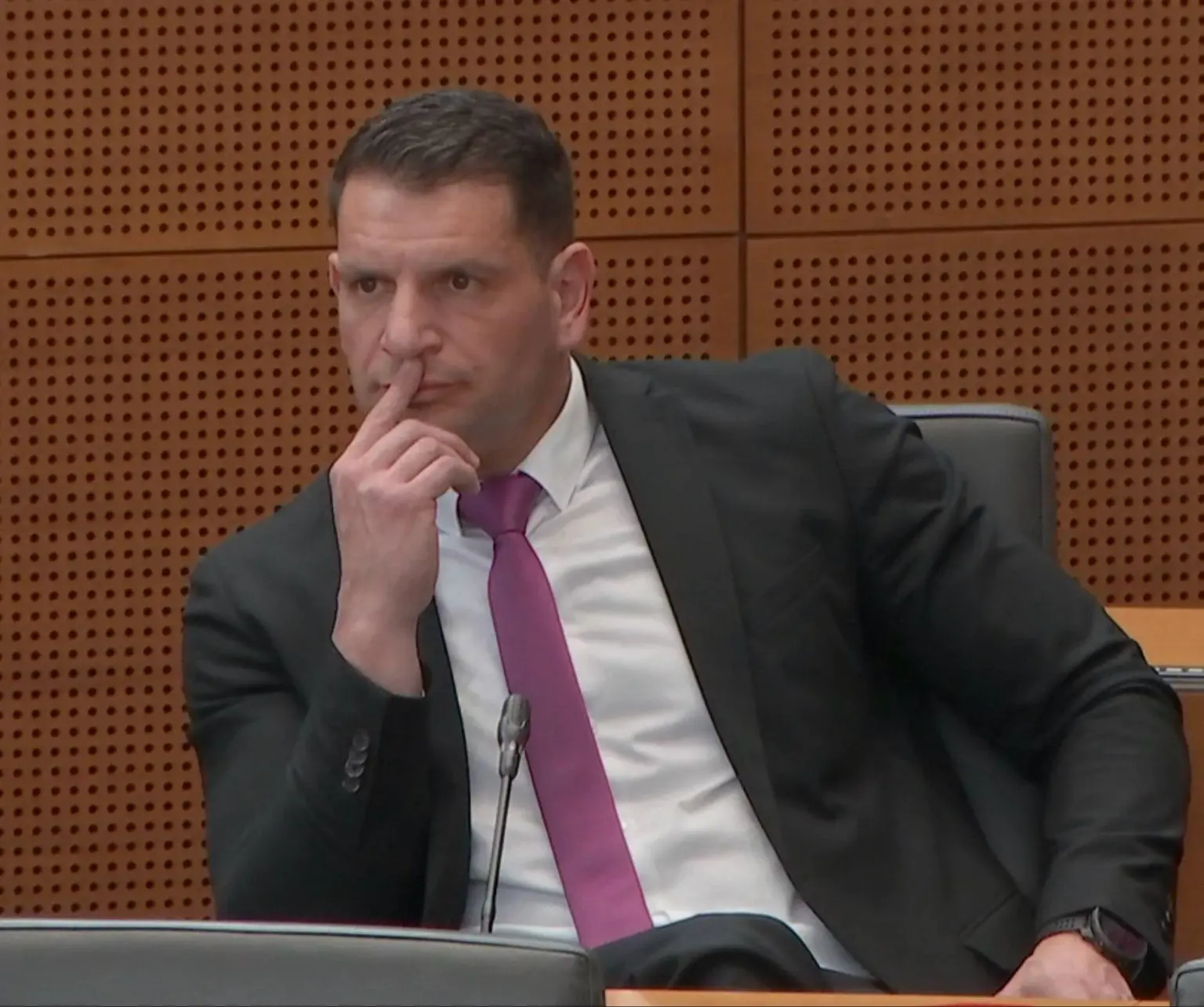
The President of the Slovenian Parliament, Zoran Stevanović, announced his intention to hold a referendum on the country’s withdrawal from NATO, as part of a broader shift towards a more independent foreign policy.
According to the Slovenian press cited by Kiev Post, the leader of the Party of Truth confirmed that this campaign promise will be upheld.
“I promised the citizens a referendum on exiting NATO and we will organize this referendum,” Stevanović stated.
The politician argued that Slovenia should regain autonomy in its foreign policy decisions and no longer be dependent on European institutions.
“Ljubljana must become the center of decisions for Slovenia, not Brussels,” he stated. However, he acknowledged that a potential exit from the European Union would not have public support, emphasizing the benefits of EU membership.
Stevanović also indicated a broader shift in direction, announcing that his party also aims for Slovenia’s withdrawal from the World Health Organization and to avoid involvement in external military or diplomatic conflicts, which they consider contrary to national interests.
At the same time, the Slovenian official left open the possibility of closer ties with Russia. He mentioned that in addition to planned visits to Skopje and Copenhagen, he intends to go to Moscow. “I would like to build bridges and cooperate well with all countries, regardless of the wall that has been raised between East and West,” Stevanović said.
His statements come in a tense context within NATO, fueled by the positions expressed by American President Donald Trump, who has criticized the alliance and suggested the possibility of the United States’ withdrawal.
Meanwhile, US Secretary of State Marco Rubio recently stated that Washington could “reassess” its relationship with NATO, citing disagreements regarding burden-sharing and access to military bases.
Last year, Slovak Prime Minister Robert Fico also mentioned that his country would benefit from a policy of neutrality, raising for the first time the idea of exiting NATO.
“If you ask me, I tell you that in these times of senseless armament, when arms-producing companies are rubbing their hands with joy (…), neutrality would be very beneficial for Slovakia,” the pro-Russian Fico said. “Unfortunately, however, the decision is not in my hands,” he added at that time.
B.B.