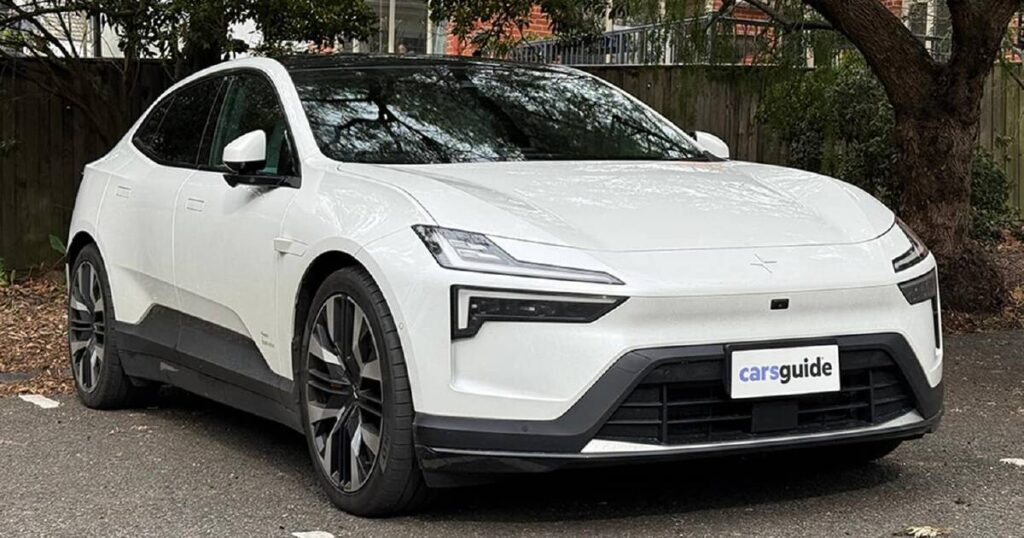
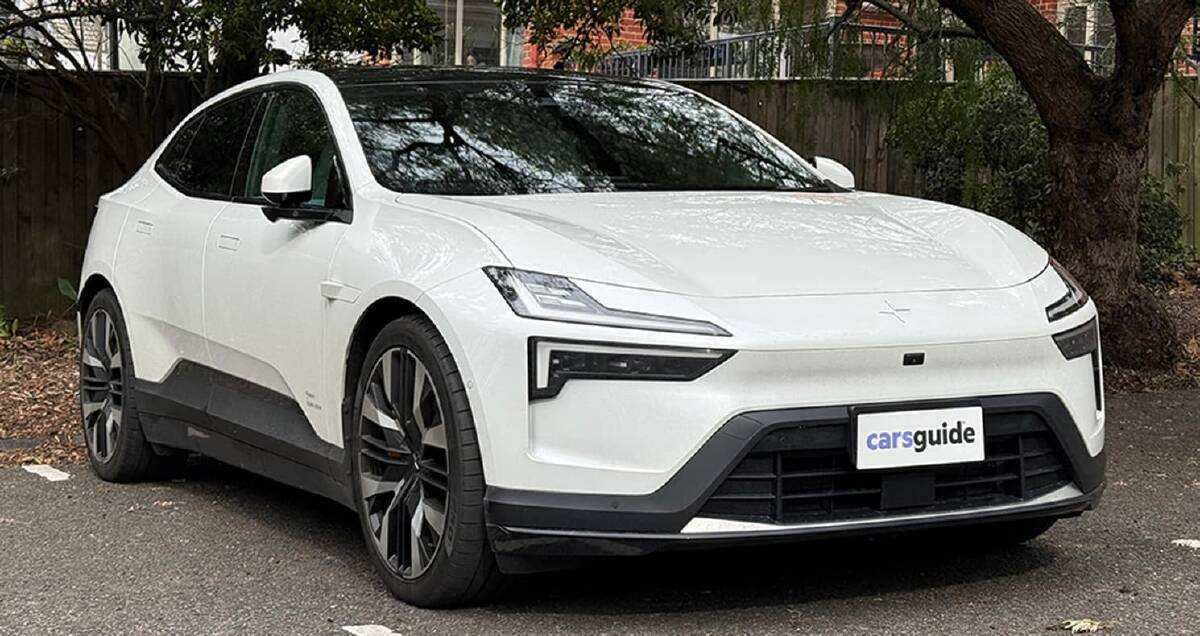
EV brand Polestar says Australia’s EV “wake-up” moment has arrived, saying its sales are soaring as customers flock to electric vehicles.
That’s the word from the brand’s local chief, Scott Maynard, who says Polestar‘s sales so far (up 19.5 per cent so far this year despite dropping in March) aren’t actually a true reflection of demand, suggesting orders and test drives were even higher.
“We’ve seen a real drive into sales. It’s just been exciting and a number that isn’t necessarily told by last month’s results. These things take a little bit of time from point of sale to the point of delivery,” he says.
Read more
“So you’ve not yet seen what we’ve been pulling in, but our order intake last month was a record for that month in a year, and our current test drive bookings are through the roof. So yes, we definitely see it come right through to the point of sale, which is good.”
Driving demand, says Mr Maynard, is the echo of international conflicts being felt at home, where fuel supply, not just the price per litre, has become a dinner-table topic across Australia.
“I don’t know that there were too many Australians that were aware that at any one time we hold approximately 30 days of fuel. And you know, one of the, I suppose, interesting side effects to the current tragedy that is playing out overseas is that it is now a number that’s etched in the minds of all Australians,” he says.
“I think that it’s not the price of fuel, but the availability, as we see service stations run out of the stuff. It doesn’t matter what you can pay for fuel if you can’t get any.
“And so the questions around Australia’s vulnerability to disruptions to fuel supply will remain after this crisis has come and gone. So it’ll be interesting to see what the tail effect on inquiry is to electric vehicles, now that that, I think the wake-up call has been heard.”
The lingering question, says Mr Maynard, is whether this uptake will continue apace, or begin to settle once the conflict in Iran eases and oil begins flowing again.
“I think it would be good for Australian drivers if the rate of inquiry was sustained, perhaps not at the same frenetic pace, but still at a reasonable rate that would see the share start to fall in line with other developed markets around the world,” he says.
“Europe is easily surpassing a 20 per cent share. Asia is on or around 30 to 50 per cent, and we still languish around 10 to 15 per cent, so it would be good to see this as a bit of a catch-up moment for Australia.”

Today’s top stories curated by our news team. Also includes evening update.
Loading…