
Published on
April 15, 2026
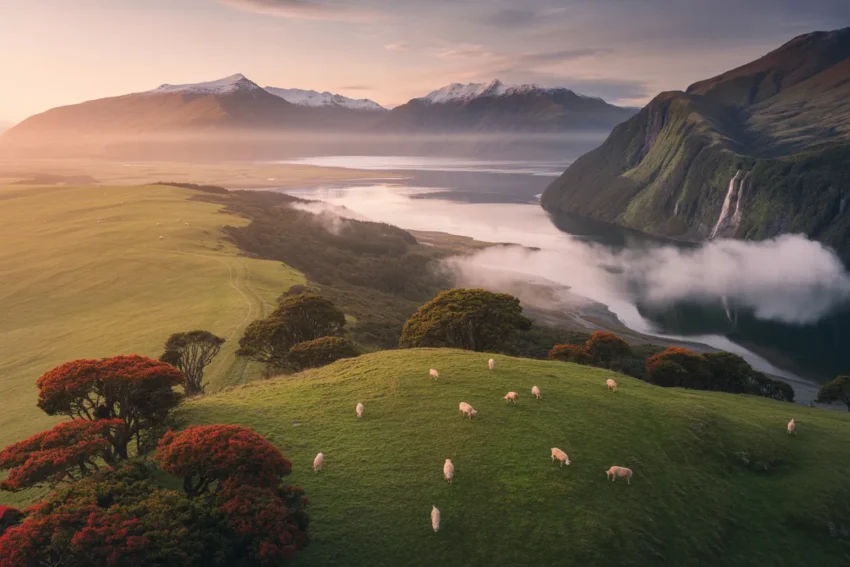
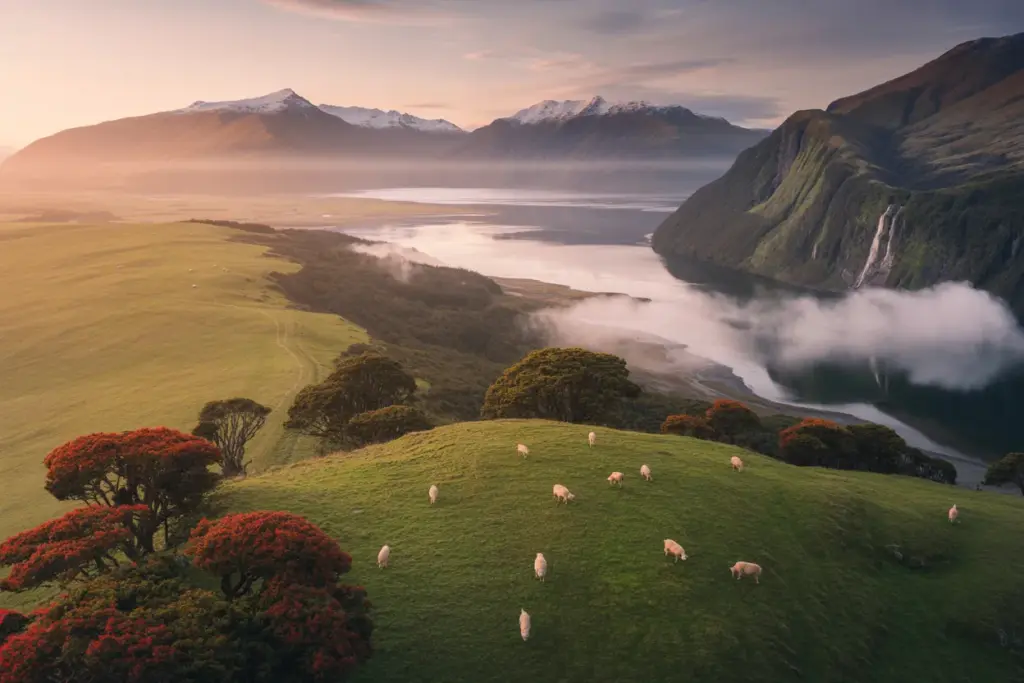
Image generated with Ai
A monumental shift in the global travel landscape is currently being witnessed as New Zealand orchestrates a definitive strong tourism recovery that is now transitioning into a phase of sustainable long-term growth. It is reported by Stats NZ and the Ministry of Business, Innovation and Employment (MBIE) that the nation has successfully achieved a rebound to around 92% of pre-pandemic tourism levels, welcoming an impressive 3.58 million visitors in the year ending February 2026. This resurgence is being fueled by rising international arrivals and record-breaking visitor spending, particularly from key markets like Australia, China, and Western countries. Under the guidance of the government’s Tourism Growth Roadmap, the industry is not merely returning to its former state but is being fundamentally reshaped through strategic policies to ensure a strong economic impact and a future defined by high-value, sustainable, and year-round tourism.
The 3.58 Million Secret: You Won’t Believe How Many Travelers are Pouring In
The sheer volume of people currently crossing the border is being described by industry analysts as a historic milestone for the Pacific region. It is observed that the total of 3.58 million visitors recorded for the year represents a substantial leap from previous post-border-opening periods. This influx is being supported by a robust restoration of flight capacities, with Auckland Airport and Christchurch Airport reporting nearly full schedules of international long-haul routes. The current figures place the nation on a direct trajectory to surpass the 2019 peak of 3.89 million arrivals by the end of the 2026 calendar year. This momentum is maintained despite global economic fluctuations, proving that the demand for the unique landscapes of Aotearoa remains an unparalleled force in the global market.
China vs. Australia: The Shocking Race to Claim Every Single Hotel Room
The competitive landscape of visitor demographics is currently dominated by a surge from the nation’s most traditional and emerging partners. It is noted that Australia remains the largest single source of travelers, with 1.54 million arrivals in the year to February 2026. Simultaneously, a spectacular 214 percent year-on-year increase in arrivals from China was observed in February 2026 alone, driven largely by the Chinese New Year holidays. Beyond these regional giants, growth from Western countries—specifically the United States and the United Kingdom—has provided a vital stream of high-spending visitors who prioritize long-stay nature and wellness retreats. This diverse mix of markets ensures that the tourism sector is not overly dependent on a single economy, providing a much-needed layer of financial resilience.
The Tourism Growth Roadmap: How a Secret Government Plan is Making You Richer
The transition from a catch-up phase to a strategic expansion is being facilitated by the newly implemented Tourism Growth Roadmap. It is reported that the New Zealand Government has invested an additional $35 million through this initiative to boost the local economy and modernize infrastructure. A significant portion of these funds is being directed toward international marketing and the improvement of the Milford Road corridor to enhance the visitor experience at iconic sites like Milford Sound. Furthermore, the roadmap emphasizes the role of the International Visitor Conservation and Tourism Levy (IVL) in funding the protection of the very natural assets that draw visitors. By shifting the focus from volume to value, the policy ensures that every arrival contributes directly to the nation’s environmental and social well-being.
Abandoned No More: Why Small-Town New Zealand is Becoming a Global Gold Mine
The ripple effects of the current boom are being felt far beyond the urban hubs of Auckland and Queenstown. It is maintained that regional development has become a primary beneficiary of the rising international arrivals, with previously quiet districts now hosting thriving new businesses. The hospitality and transport sectors have seen the creation of over 220,000 jobs nationwide, providing a stable livelihood for thousands of residents in the West Coast, Southland, and Taranaki regions. By promoting travel during the shoulder seasons and encouraging the exploration of hidden gems, the government is successfully distributing visitor spending across the entire country. This geographic spread prevents the overcrowding of popular landmarks while ensuring that the financial rewards of tourism are shared by small-scale local operators and artisans.
The Death of the Summer Crowd: Why High-Value Travelers are Ditching January for July
A profound shift in the timing and nature of travel is being observed as the industry moves toward a year-round tourism model. It is noted that high-value travelers are increasingly seeking the serenity of the New Zealand autumn and spring, drawn by the promise of sustainable and immersive cultural experiences. Luxury wellness retreats in the Southern Alps and stargazing tours in the Aoraki Mackenzie International Dark Sky Reserve are reporting record bookings outside of the traditional summer peak. This trend is being supported by the New Zealand Electronic Travel Authority (NZeTA), which makes short-term spontaneous travel easier for visitors from visa-waiver countries. By reducing the intensity of the summer rush, the industry is mitigating environmental pressure while providing a more consistent income stream for workers in the hospitality sector.
Advertisement
Advertisement
The $40 Billion Payday: The Truth About the Money Saving the New Zealand Economy
The financial success of 2026 is positioning tourism once again as a central pillar of the national economy. It is reported that the target of doubling tourism export value to nearly $20 billion by 2034 is currently on track, with annual export earnings in 2026 nearing pre-COVID parity. The strong economic impact is visible in the increased tax revenues and the revitalized retail sectors in major tourism corridors. Even as challenges such as fuel price volatility persist, the sheer value of visitor spending—driven by longer average stays and a preference for premium adventure activities—continues to bolster the national GDP. This wealth is being utilized by the government to fix basic infrastructure and build a future-proofed tourism system that can withstand the global challenges of the coming decade.
The Final Countdown: Why You Must Book Your 2026 Adventure Before the World Finds Out
As the industry nears a full statistical return to its 2019 glory, the message to the world is one of invitation and preparedness. It is believed that the combination of strategic policies, world-class hospitality, and an uncompromising commitment to sustainability has made New Zealand the most resilient destination in the world. With the rebounding strongly of the visitor numbers and the continued success of the Tourism Growth Roadmap, the future appears exceptionally bright for the Land of the Long White Cloud. For the international traveler, the 2026 season offers a unique window to experience a nation that has been meticulously rebuilt to provide not just a holiday, but a meaningful, high-value connection to one of the most beautiful places on Earth.
Advertisement
Advertisement
