
- by croatiaweek
- April 18, 2026
- in
(Photo: Grad Poreč)
On a gentle rise above the road leading from Poreč towards Dračevac and Mugeb, the Pudarica site has revealed a significant chapter of the town’s past.
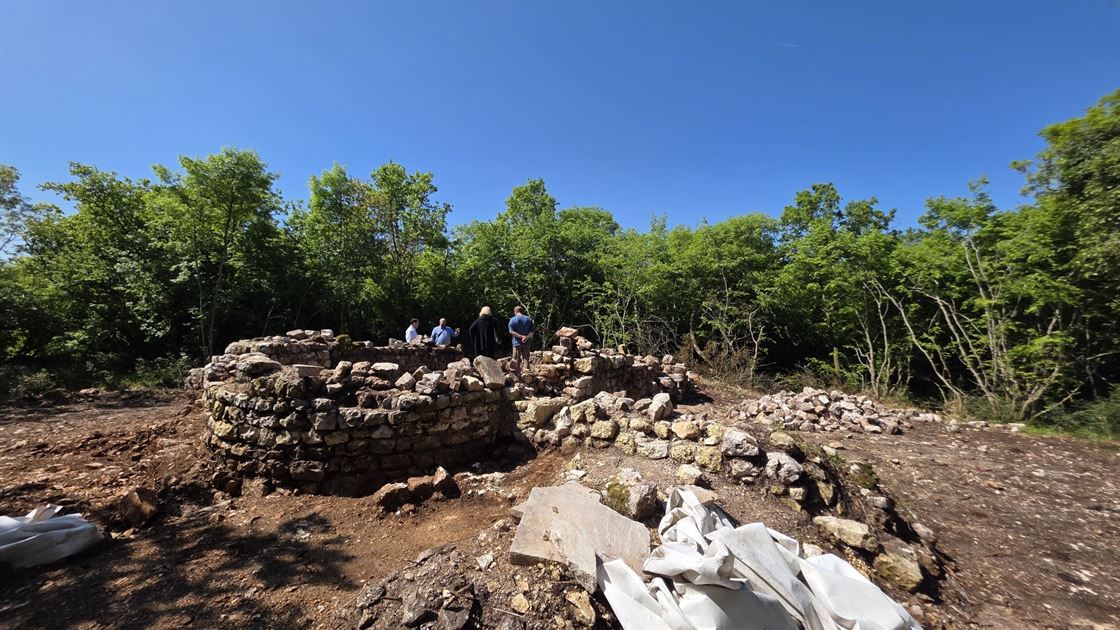
Recent archaeological research has confirmed the presence of a well-preserved early Christian church dedicated to St Peter, with its oldest layer dating back to the 6th century, Grad Poreč said on Friday.
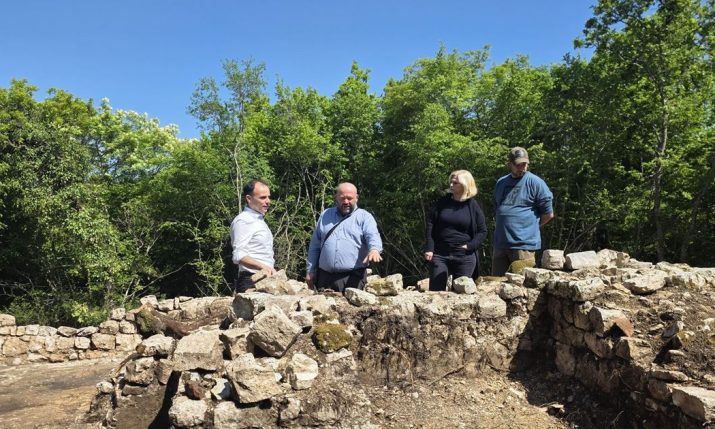
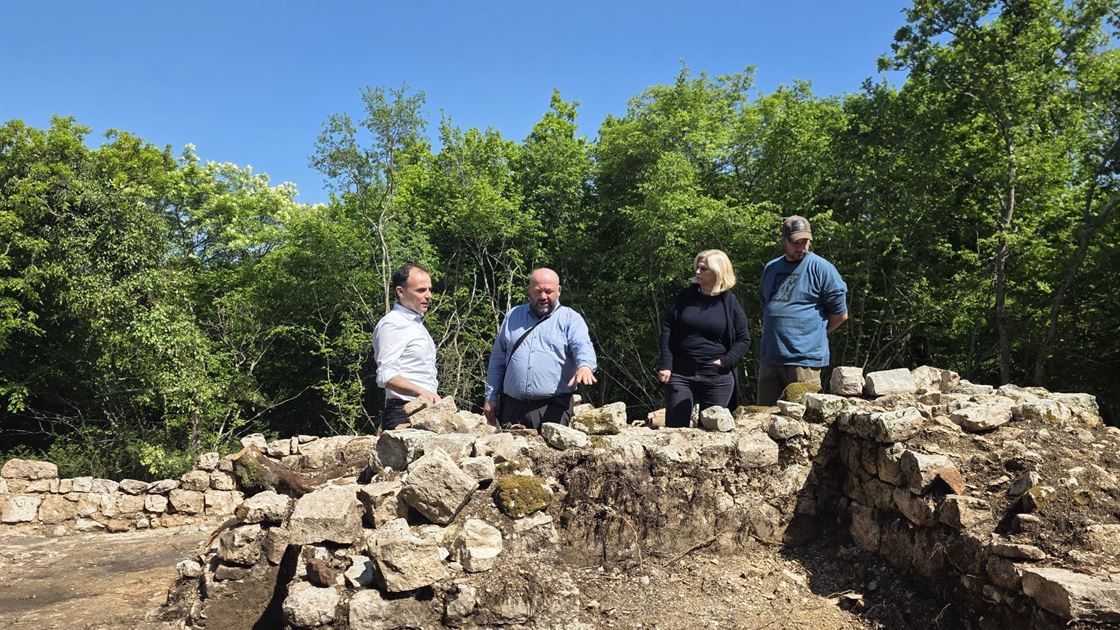
The latest investigations in Poreč, located on Croatia’s western Istrian coast were visited by mayor Loris Peršurić, alongside Elena Uljančić, director of the Poreč Heritage Museum, curator Gaetano Benčić, and the archaeological team behind the project.
Although the site was first explored in 1961 by archaeologist Ante Šonje, only recent systematic excavations have provided a clearer and more comprehensive understanding.
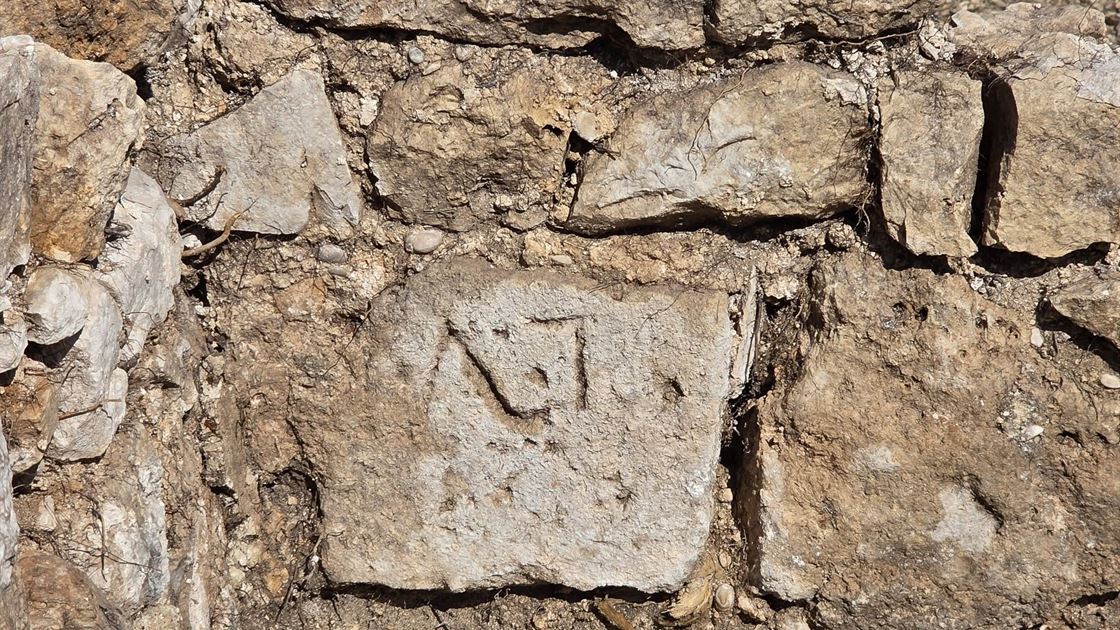
Researchers uncovered a single-nave chapel with a semi-circular apse. Among the most notable finds are a floor made of carefully cut stone slabs and fragments of an altar crafted from Proconnesian marble, a material that indicates the importance of the site in its historical context.
(Photo: Grad Poreč)
However, Pudarica is not an isolated discovery. Evidence of a wider economic complex, including a Roman villa rustica, has also been identified. Nearby lies the prehistoric site of Sv. Anđeo, suggesting continuous human activity in the area across multiple historical periods.
(Photo: Grad Poreč)
Mayor Peršurić highlighted the city’s dual focus on development and preservation. He noted that alongside infrastructure projects, Poreč continues to invest heavily in cultural heritage, from the restoration of historic buildings to ongoing archaeological research at sites such as Marafor, Lorun and now Pudarica.
Uljančić emphasised the broader role of the museum, pointing out its work across restoration, exhibitions, education programmes and field research. She stressed that discoveries like Pudarica underline how much of the region’s past remains unexplored and the importance of continued investment in its protection.
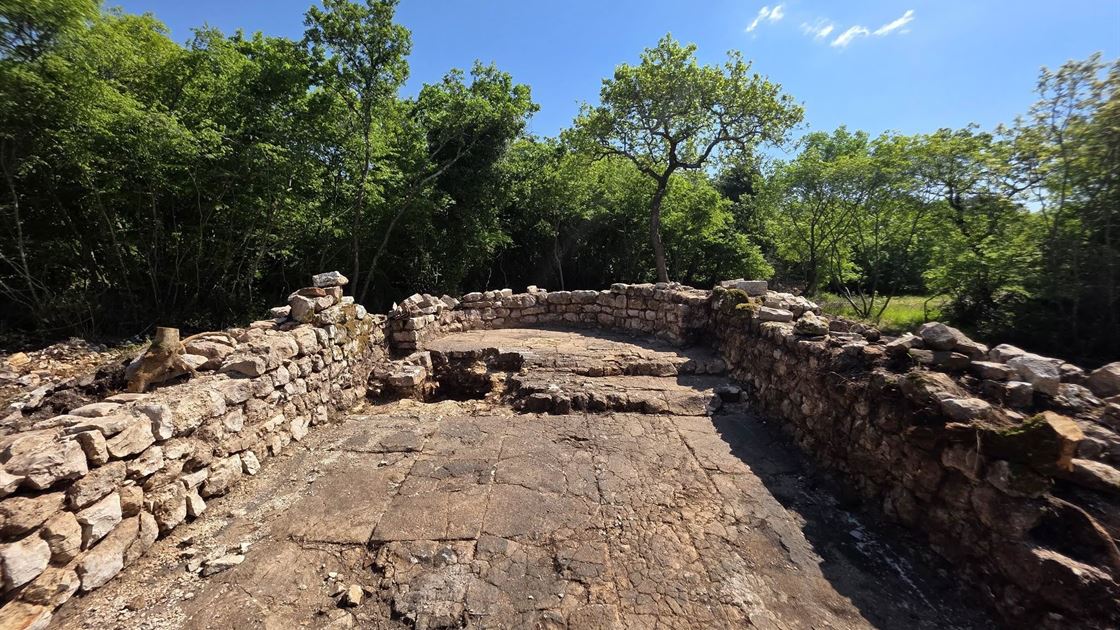
(Photo: Grad Poreč)
The research at Pudarica is funded by the City. The next phase will focus on conserving the uncovered walls and preparing the site for visitors. Set within a natural environment, the location has the potential to become a new cultural point of interest, not only for experts but also for visitors eager to experience history emerging directly from the ground.