
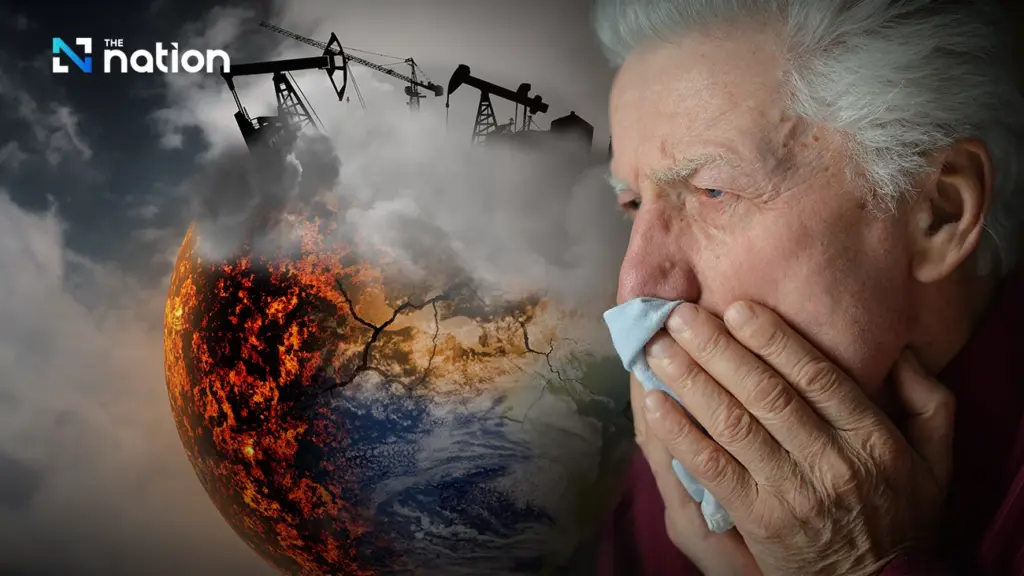
Against this backdrop, a new strategic idea is beginning to take shape: climate-resilient longevity.
The world is no longer focusing only on the number of years people survive, but on how to create years of life that remain resilient in a harsher climate. That shift is becoming a major challenge and opportunity for business and society alike.
The so-called longevity economy is expected to grow far beyond walking sticks or dietary supplements. It may increasingly include smart housing designed to reduce heat exposure, health insurance products that cover pollution-related risks, and precision agriculture technologies aimed at protecting food security.
Infrastructure will also need to change. Hospitals and office buildings must adapt through renewable energy systems and designs capable of withstanding extreme weather, allowing businesses and essential services to continue operating even during disasters.
This also points to a broader policy convergence. Ageing society strategies and net-zero policy can no longer be treated as separate agendas. Expanding urban green space is not simply about beautification. It is increasingly tied to reducing hospital admissions, easing pressure on the healthcare system and improving workers’ quality of life.
Every tonne of emissions cut and every degree of warming prevented is no longer just an act of environmental responsibility. It is an investment in human longevity.
If societies want children born in 2026 to still be living well in 2106, the planet must remain a safe and healthy home — not an overheated world that burns through both public health and economic stability at the same time.