
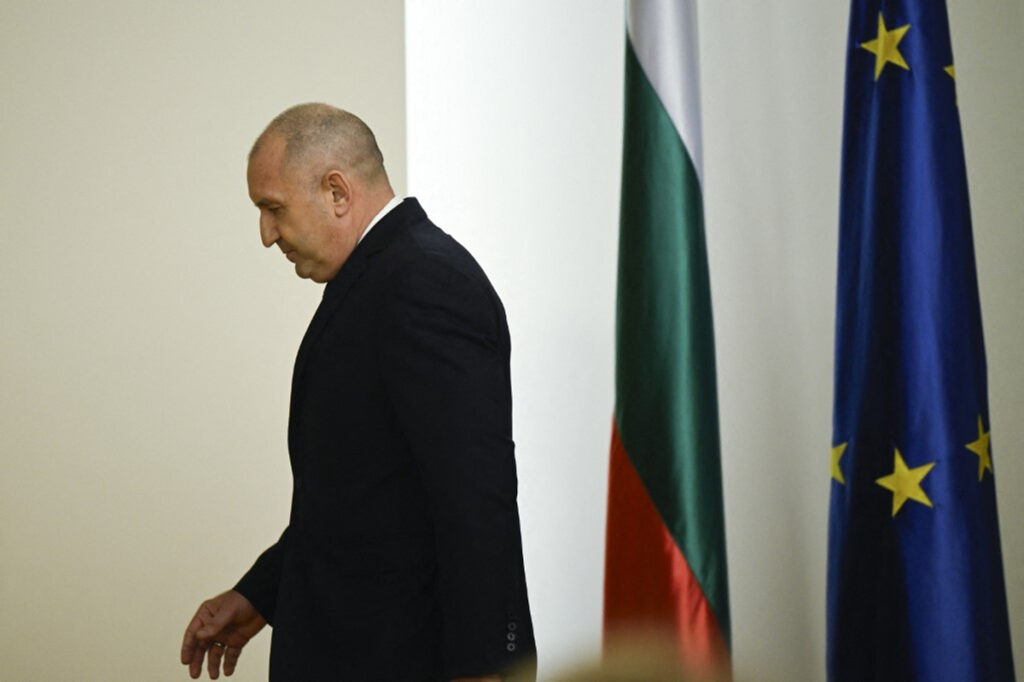
Ukraine has urged Bulgaria’s incoming leader Rumen Radev not to weaken European Union support for Kyiv following his party’s election victory.
Radev, who has advocated dialogue with the Kremlin, won a parliamentary vote over the weekend, raising concerns in Kyiv and among EU officials about Bulgaria’s future stance on Ukraine.
Follow our coverage of the war on the @Kyivpost_official.
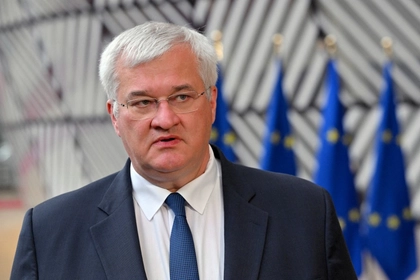
Speaking on Wednesday, Foreign Minister Andrii Sybiha said Ukraine expects “good-neighbourly relations” with Bulgaria to continue and expressed hope that Sofia would maintain its support.
“We hope that Bulgaria’s position will remain consistent in supporting Ukraine on many fronts – from territorial integrity to our membership in the European Union,” Sybiha said.
Radev has opposed sending arms to Ukraine, setting him apart from most NATO allies, but has indicated he would not use Bulgaria’s veto, available to all member states in the European Union, to block EU pro-Ukraine decisions.
His victory has raised concerns that Bulgaria could take on a more obstructive role within the bloc, similar to that previously associated with Hungary under former prime minister Viktor Orbán.
Kyiv welcomed Orbán’s recent electoral defeat, hoping it would ease the approval of a €90 billion ($106 billion) EU support package and enable stronger sanctions against Russia.
The Kremlin has responded positively to Radev’s election, with spokesperson Dmitry Peskov saying Moscow viewed favorably his calls for improved relations.
Other Topics of Interest
Ukraine Rejects ‘Partial’ EU Membership Options, Foreign Minister Says
Kyiv insists it will not accept intermediate forms of EU integration, as it pushes for full membership while continuing reforms.
According to official results released on Monday, Radev has won Bulgaria’s parliamentary election in a landslide.
Radev’s Progressive Bulgaria party secured a 44.7% plurality of the vote after 91.7% of ballots were counted, far ahead of its nearest rivals – the pro-European We Continue the Change – Democratic Bulgaria (PP-DB) coalition with 13.2%, and the long-dominant GERB party led by former Prime Minister Boyko Borissov with 13.4%.
Radev’s campaign drew comparisons with Hungary’s pro-Kremlin former Prime Minister Viktor Orbán, as he advocated improving ties with Moscow and resuming the flow of Russian oil and gas into Europe. He also criticized the European Union “reliance” on renewable energy.
However, the extent to which Radev may shift Bulgaria’s foreign policy remains unclear.