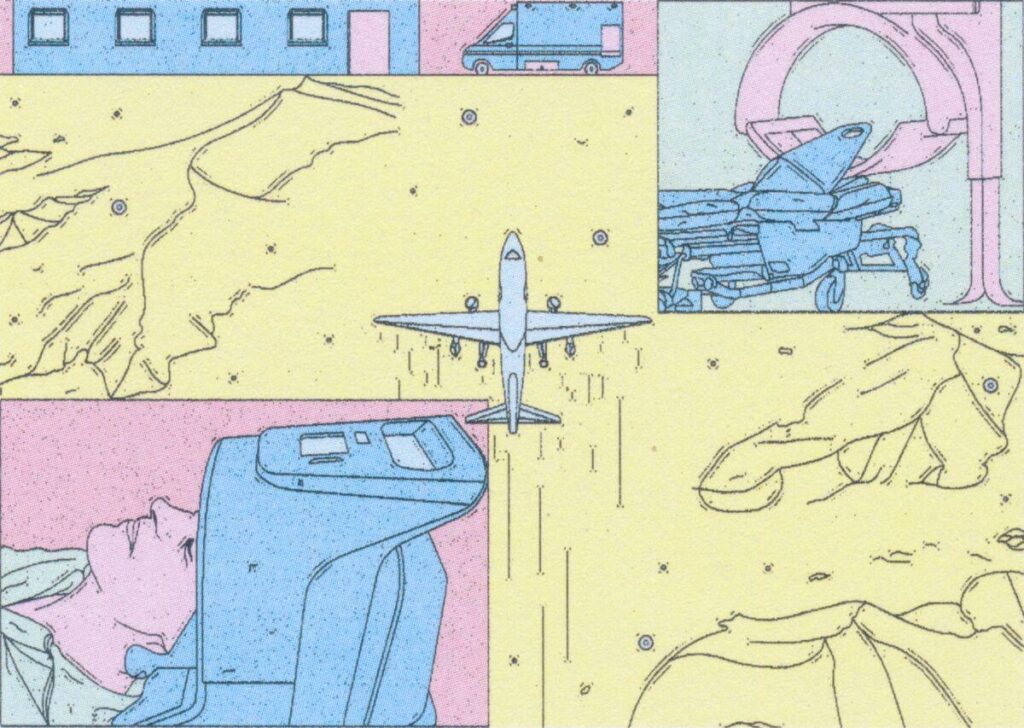
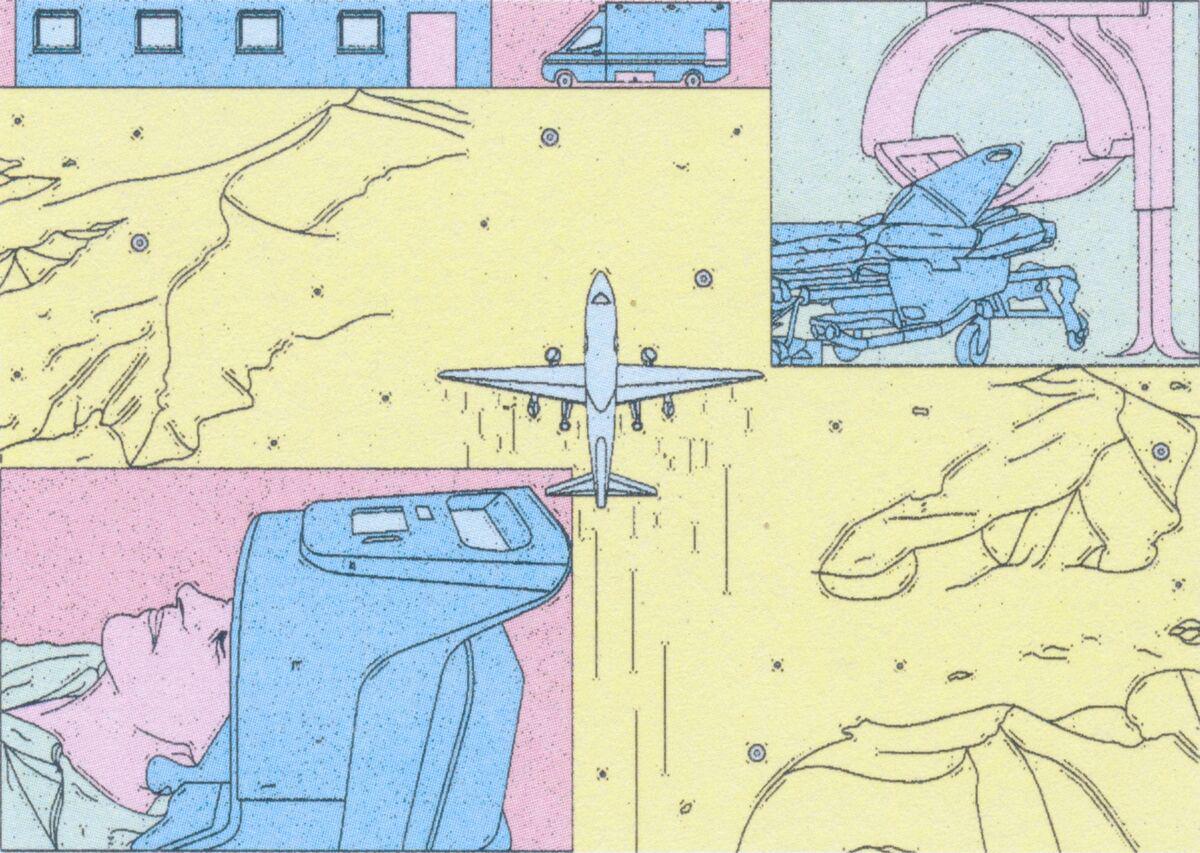
A single-engine turboprop from the Royal Flying Doctor Service landed in Port Augusta, its white fuselage standing out against the red desert at the edge of Australia’s vast interior. Among the cargo unloaded onto the tarmac was a brain scanner barely the size of a carry-on bag.
The device, resembling a compact astronaut’s helmet, is designed to diagnose stroke in the field — telling clinicians whether it’s a clot or a bleed so the right treatment can begin before brain cells start to die. That distinction typically requires a CT scan in a hospital, meaning patients in remote areas can wait hours for a diagnosis.
In Australia’s outback, where vast distances separate patients from hospitals, the long wait could be the difference between recovery and permanent disability — or worse. The RFDS, an almost century-old charity serving some of the most remote places on Earth, is helping test the device in early trials.
The effort is being closely watched in countries including Canada and Norway, where long distances and sparse rural populations can delay access to specialist stroke care.

1 Comment
*Jason Gale for Bloomberg News*
A single-engine turboprop from the Royal Flying Doctor Service landed in Port Augusta, its white fuselage standing out against the red desert at the edge of Australia’s vast interior. Among the cargo unloaded onto the tarmac was a brain scanner barely the size of a carry-on bag.
The device, resembling a compact astronaut’s helmet, is designed to diagnose stroke in the field — telling clinicians whether it’s a clot or a bleed so the right treatment can begin before brain cells start to die. That distinction typically requires a CT scan in a hospital, meaning patients in remote areas can wait hours for a diagnosis.
In Australia’s outback, where vast distances separate patients from hospitals, the long wait could be the difference between recovery and permanent disability — or worse. The RFDS, an almost century-old charity serving some of the most remote places on Earth, is helping test the device in early trials.
The effort is being closely watched in countries including Canada and Norway, where long distances and sparse rural populations can delay access to specialist stroke care.
[Read the full dispatch here.](https://www.bloomberg.com/news/articles/2026-04-24/portable-brain-scanners-aim-to-speed-stroke-diagnosis-in-remote-areas?accessToken=eyJhbGciOiJIUzI1NiIsInR5cCI6IkpXVCJ9.eyJzb3VyY2UiOiJTdWJzY3JpYmVyR2lmdGVkQXJ0aWNsZSIsImlhdCI6MTc3NzA0NjU4MywiZXhwIjoxNzc3NjUxMzgzLCJhcnRpY2xlSWQiOiJURFo1SUlLR0lGUlkwMCIsImJjb25uZWN0SWQiOiJEMzU0MUJFQjhBQUY0QkUwQkFBOUQzNkI3QjlCRjI4OCJ9.zDTGwuegppVDItF6R2e3WHQ2tbEuNBIon3LT8hxAZjk)