
Article has a paywall, so here in text form:
New EU regulation is coming: Why the air in the bag has to give way
Less waste, less empty space, less costs. The new EU packaging regulation comes into force in August. Consumers should benefit from lower prices, especially in the long term.
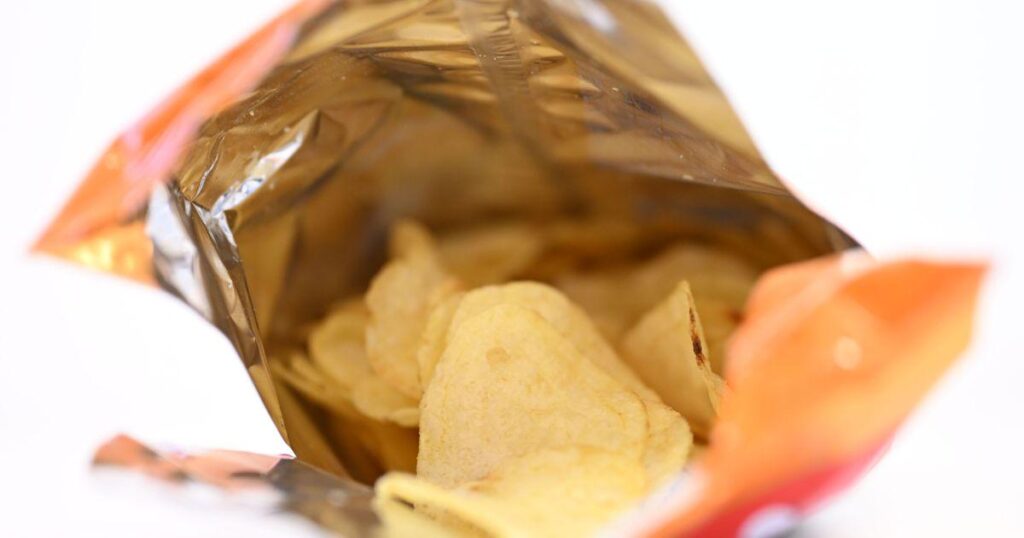
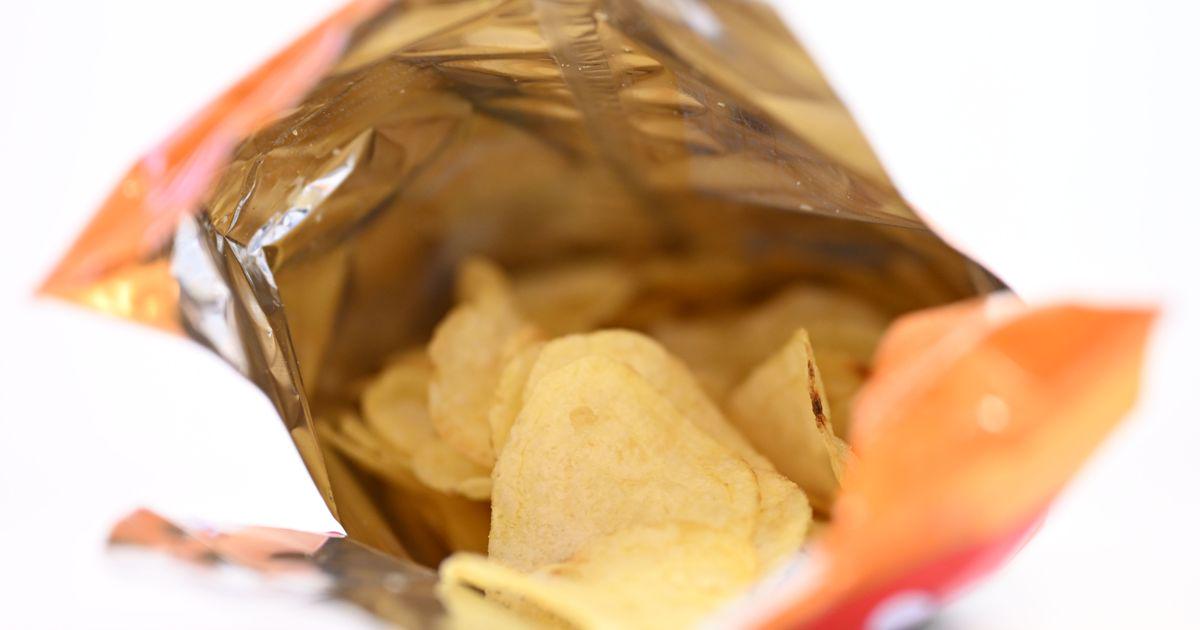
Chip packs that contain more air than snacks. Cereal boxes with false bottoms. Huge boxes for a small order. Deceptive packages that deceive consumers into believing they contain more content than they actually contain will finally be a thing of the past from August this year.
The decisive factor for this is the strict packaging regulation of the European Union, known as PPWR for short (Packaging and Packaging Waste Regulation). “Unnecessarily, packaging has become increasingly larger in recent years, especially in the food industry, which has a massive impact on the environment,” explains Stefan Merl, head of the circular economy department at management consultant PwC.
No more deceptive packaging The new EU regulations stipulate that by 2030 all packaging will consist of at least ten percent of recyclable materials. By 2040, this proportion must have increased to 30 percent. The industry not only has to ensure and mark this, for example using QR codes, but also document it in a clearly comprehensible manner.
In addition, new limit values will also be introduced for all substances that come into direct contact with food, explains Merl. Hygiene, freshness and product safety must still be maintained. Special and distinctive branded packaging designs are likely to be eligible for special trademark protection.
One thing is clear: deceptive packages such as chip bags, which are often only a third full of chips, will be a thing of the past in the future. “The amount of empty space can only be a maximum of fifty percent,” explains Merle. This regulation also applies to materials necessary to protect products during transport, such as air cushions or bubble wrap.
Because the regulation came into force in February 2025 and will be binding throughout the EU from August 12th of this year, many manufacturers have already adapted their packaging accordingly – but not all of them yet. To stay with the oft-quoted example of potato chips: “With some brands it is already noticeable that the packs are filled significantly higher,” reports Merl.
He also expects that the food industry will print information that the packaging has changed, especially in the first phase of the changeover. Above all, so that customers do not mistakenly believe that it is a case of so-called “shrinkflation”, i.e. less content for the same or even higher price.
Prices will fall in the long term. Merl dispels consumer protection organizations’ concerns that customers could face higher costs due to changes to boxes and bags or the possible development of new packaging materials. “The big goal is for more waste to be recycled,” the expert explains. If fewer packaging materials are used and recycled at the same time, the price will fall in the long term, he calculates.
The yellow bag in Austria, with which 80 percent of plastic and metal packaging already enters the recycling cycle, is a showcase project compared to other EU countries. However, so-called “mistakes” would result in high costs. If all Austrians disposed of their waste correctly, total waste costs could be reduced by a third.
https://tt.com/go/30932736
Posted by Ferina27
3 Comments
Guter Artikel.
Bei Chips wird das halt sportlich mit dem Leerraum von 50%.
Machen die Hersteller das so, kann man sich auf Chipsbrösel einstellen.
Bei sehr vielem anderen natürlich absolut richtig. Gibt ja genug Beispiele wo das Produkt im Sichtfenster vorhanden ist und drüber ist nur Luft.
Gute Sache, jedoch günstiger wird dadurch vermutlich nichts werden.