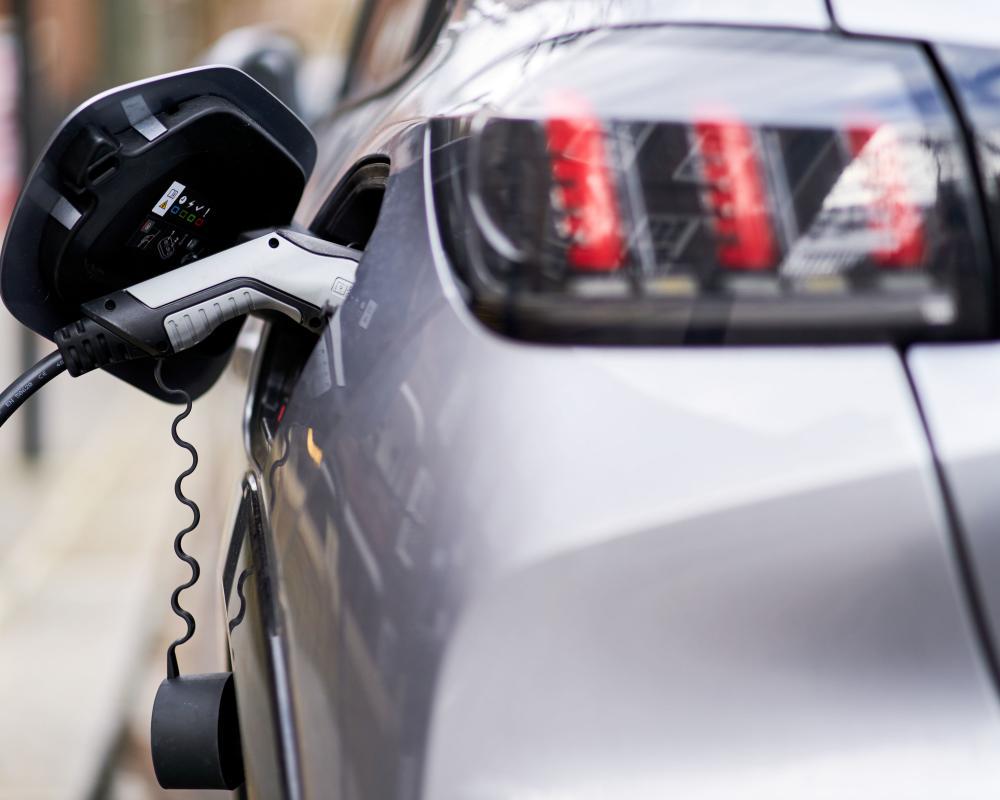
High petrol prices are fuelling interest in EVs. They could be the key to cheaper electricity prices by filling the energy storage gap
https://uk.finance.yahoo.com/news/ev-charging-shake-looks-help-161107150.html

High petrol prices are fuelling interest in EVs. They could be the key to cheaper electricity prices by filling the energy storage gap
https://uk.finance.yahoo.com/news/ev-charging-shake-looks-help-161107150.html
2 Comments
The current oil and gas crisis are leading to a surge in costs.
This is turning people in Europe towards buying EVs.
The UK has lots of wind power, which is much cheaper than gas, but still has high electricity prices. Wind is intermittent and a lot of electricity generated via it is wasted. That’s when expensive gas power plants are used to fill the gap.
The uptake of EVs could fix that problem. They can be connected to the electricity grid. When you are not driving and do not need a full battery, intelligent systems can sell electricity back to the market when demand is high or supply is low, and buy it back when it is cheap. The supplier Octopus already offers this in the UK to drivers of certain cars.
The scale is striking. Energy regulator Ofgem estimates that putting half of projected EVs on this vehicle-to-grid system by 2030 could provide around 16GW of flexible capacity to the grid. Average demand in Great Britain is around 30GW.
This means that discharging all batteries to the grid at the same time would produce the same flow of electricity as if all offshore wind turbines ran at full capacity simultaneously.
The intermittency problem, which underpins most of what makes electricity expensive and difficult to manage as countries wean themselves off fossil fuels, largely goes away when storage is not a problem.
evs could stabilize the grid, but what’s the actual storage capacity needed?