
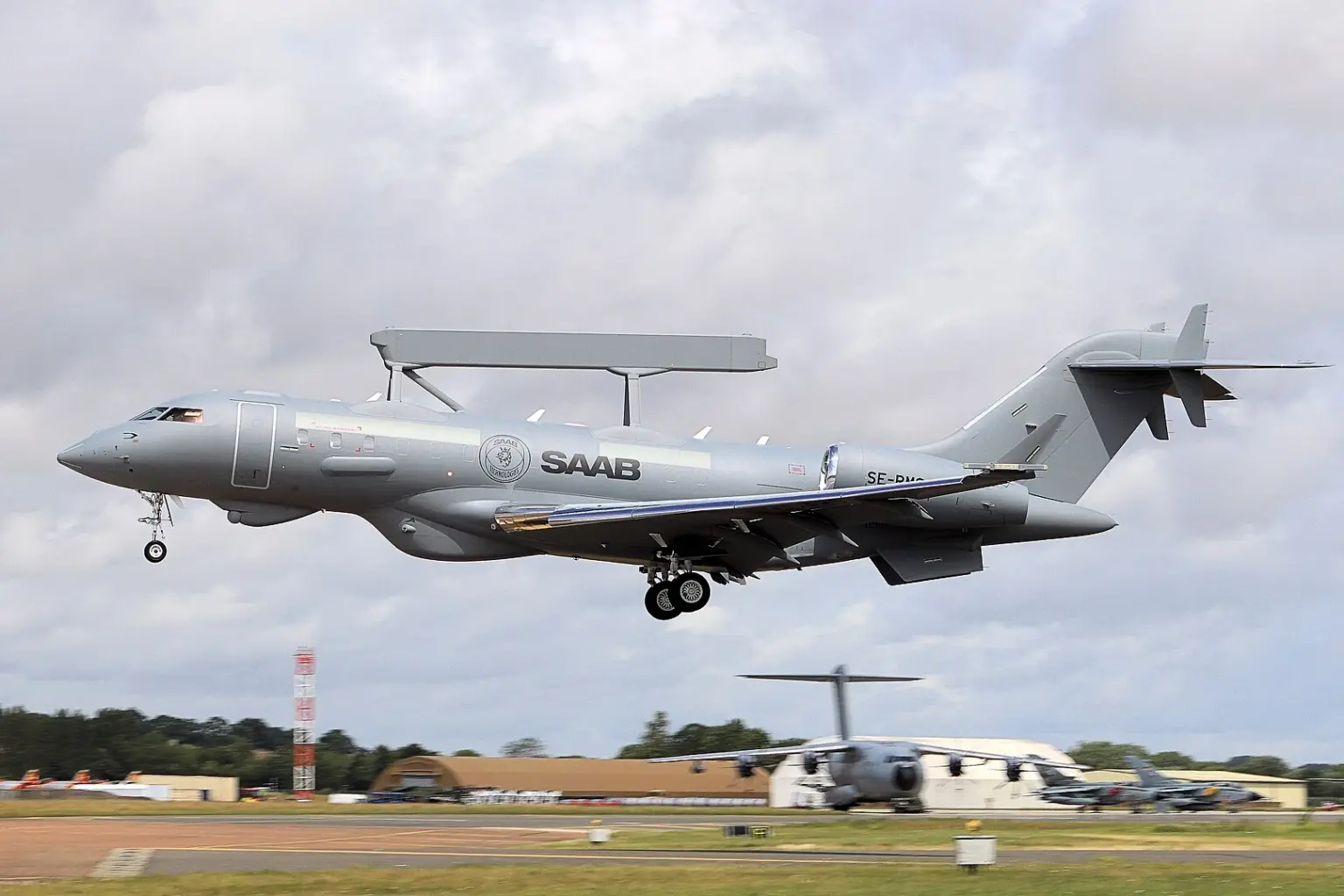
VIENNA— NATO Support and Procurement Agency has reportedly selected a Swedish-Canadian solution to replace its aging airborne early warning fleet, signaling a major shift in defense procurement strategy.
The move centers on the GlobalEye platform developed by Saab in partnership with Bombardier.
The development, linked to deliberations in Vienna, could mark the first time in over four decades that NATO’s airborne surveillance backbone is not built by Boeing.
The alliance is seeking to replace its long-serving fleet of E-3A aircraft with a more modern and flexible system.
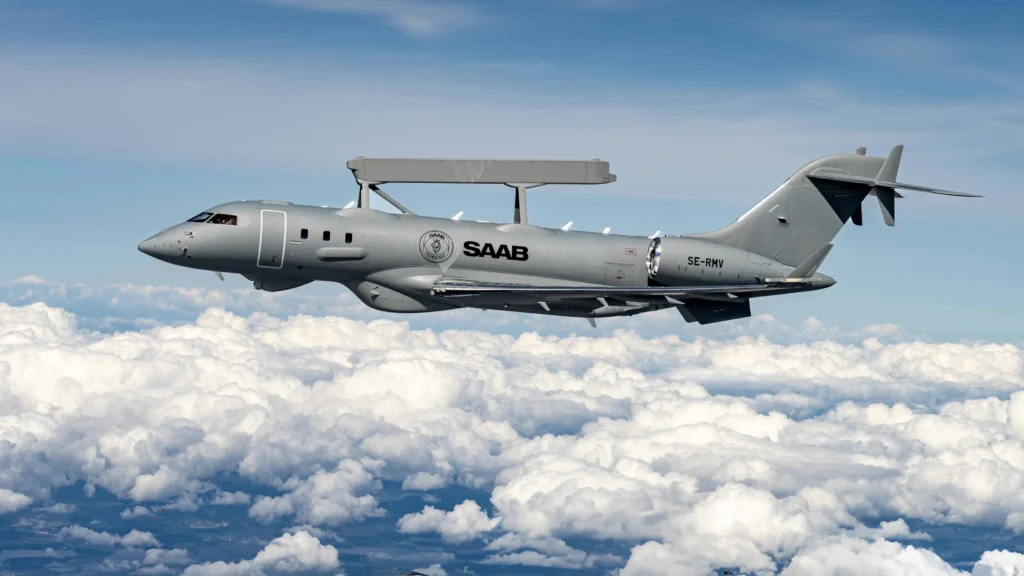 Photo: Saab
NATO Eyes AWACS Replacement Plan
NATO’s current airborne early warning capability relies on the Boeing E-3 Sentry, which has been in service since the early 1980s.
These aircraft are approaching the end of their operational life, prompting the alliance to pursue a replacement that meets modern surveillance requirements.
The proposed replacement, the Saab GlobalEye, combines advanced radar technology with a long-range business jet platform. NATO is reportedly considering a fleet of 10 to 12 aircraft, with each unit valued at approximately €550 million.
This procurement could exceed €5 billion before additional costs such as maintenance, training, and infrastructure are included.
The program also aims to meet an operational target around 2031, ensuring continuity in airborne surveillance capabilities.
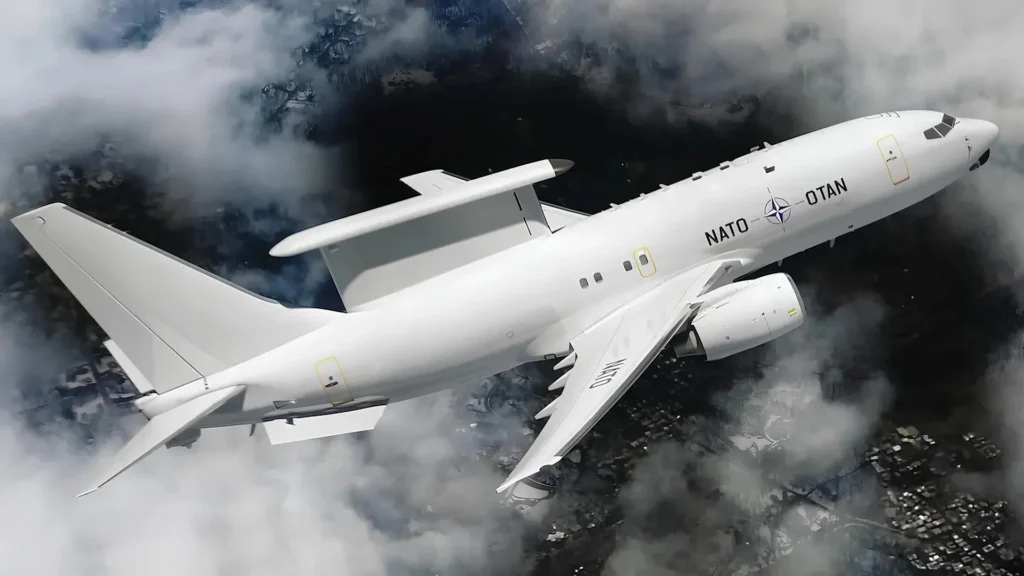 Photo: NATO
Boeing Program Shift
The selection represents a significant departure from earlier plans to acquire the Boeing E-7 Wedgetail.
NATO had previously favored the Wedgetail system, citing its readiness and compatibility with alliance requirements.
However, the program faced setbacks after the United States Air Force removed the E-7 from its fiscal 2026 budget. Concerns over rising costs, delays, and operational survivability contributed to the decision, prompting European partners to reconsider their options.
Subsequently, countries including the Netherlands withdrew from the planned Wedgetail acquisition.
This shift highlighted growing interest among European nations in strengthening domestic and regional defense industries.
 Photo: Saab
GlobalEye Capabilities
The GlobalEye platform integrates Saab’s Erieye Extended Range radar on a Bombardier Global 6000 or 6500 aircraft, offering multi-domain surveillance across air, land, and sea.
The system can reportedly detect targets at ranges exceeding 550 kilometers, providing a significant operational advantage, Defense News flagged.
Several countries have already expressed interest in the platform, with France signing a contract for two aircraft and options for additional units. Other nations, including Germany, Poland, and Canada, are evaluating potential acquisitions.
Despite strong momentum, the NATO contract has not yet been formally finalized.
Officials have indicated that the final announcement remains pending, although the reported selection suggests a clear direction for the alliance’s future airborne warning capabilities.
Stay tuned with us. Further, follow us on social media for the latest updates.
Join us on Telegram Group for the Latest Aviation Updates. Subsequently, follow us on Google News