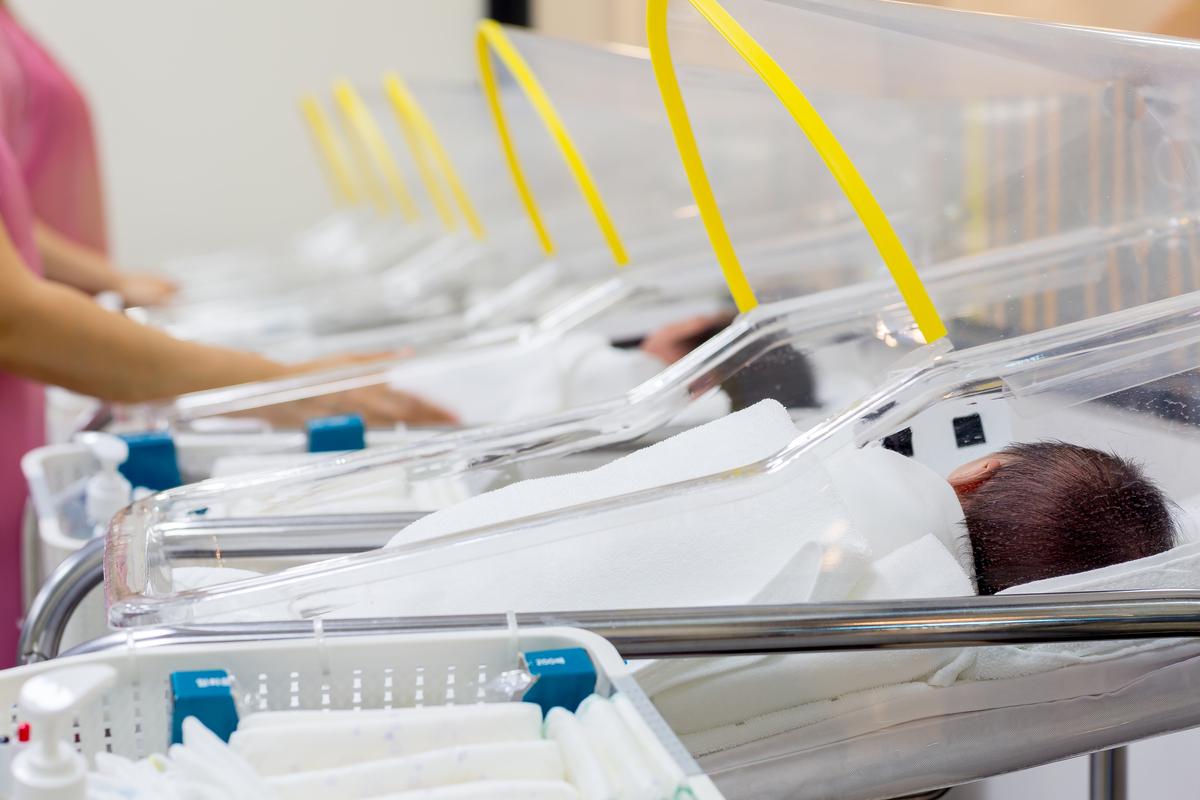
Taiwan’s Premier Looks to South Korea as Fertility Rate Hits World Low
https://en.sedaily.com/international/2026/04/29/taiwans-premier-looks-to-south-korea-as-fertility-rate-hits
Posted by self-fix2

Taiwan’s Premier Looks to South Korea as Fertility Rate Hits World Low
https://en.sedaily.com/international/2026/04/29/taiwans-premier-looks-to-south-korea-as-fertility-rate-hits
Posted by self-fix2
1 Comment
For those people who will say Korea’s 3-year rebound is merely an “echo” from the previous boomer generation:
Both the 2023 UN and SK’s own birth projections show that Korea’s TFR was supposed to fall to 0.65 in 2025 and recover 0.82 only in 2030 and then 0.9 in 2036. These stats take into account the echo boom generation and assumes the status quo back in 2023.
In reality, Korea recovered 0.80 in 2025 and the 2026 Jan-Feb TFR is at 0.96. So the recovery in 2025 hit the 0.8 milestone 5 years earlier, 23% greater than the initial projections for that year, and it’ll likely be 31%+ greater in 2026, recovering the 0.9 milestone almost 10 years earlier than initially projected.
Marriages have also risen consecutively for the past 23 months so there’s an increasing “backlog” of couples who will give birth. This is why the births are currently leapfrogging projections.
There is now a consensus among demographers that Korea’s birth policies do work to an extent: it pushes couples to have their first and second child. These couples go on to apply peer pressure by forming a positive outlook on having children through social media, which then pressures the younger 25-30 cohort to form a positive view on marrying early.
These have been confirmed with surveys that show women in their 20s wanting to have children jumped more than 11% last year, and by looking at the age-specific fertility rate (ASFR) for ages 25 and 30, measured per 1000 women, which has risen in the 2025 reports.