
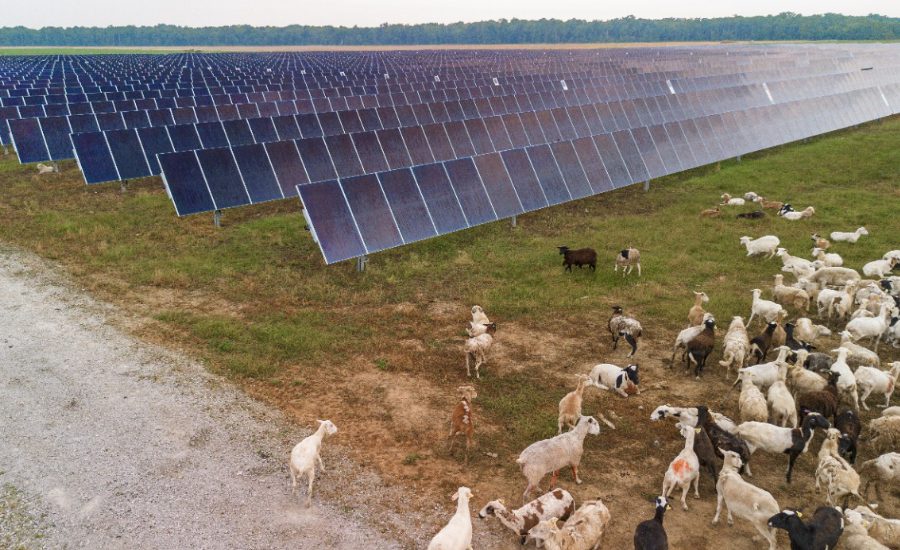
DETROIT—General Motors said it has secured enough renewable energy to match 100% of the electricity used across its U.S. operations, making it the first U.S. automaker to reach that milestone.
The company said the achievement covers assembly plants, engineering centers and other facilities, reflecting a broader effort to reduce emissions and improve long-term energy stability across its manufacturing footprint.
Globally, GM matched 70% of its electricity use with renewable sources in 2025, nearly doubling its level from 2023, and said it continues to pursue full renewable coverage worldwide.
The automaker also reported a 52% reduction in operational emissions since 2018, as it expands investments in renewable energy projects in the United States and internationally.
GM said its renewable energy strategy relies on a mix of utility programs, virtual power purchase agreements and renewable energy credits, along with limited on-site generation. The company prioritizes sourcing energy from projects located on the same regional grids as its facilities.
The shift is aimed not only at reducing environmental impact, but also at improving cost predictability and grid reliability. GM said long-term renewable contracts help insulate operations from energy price volatility while supporting more stable power supply across its manufacturing network.
The company has also encouraged suppliers to adopt similar strategies through industry initiatives focused on expanding renewable energy use across the automotive supply chain.
Looking for quick answers on assembly and manufacturing topics?
Try Ask ASM, our new smart AI search tool.
Ask ASM →
Examples of the approach include Factory ZERO in Detroit, which is supplied by DTE Energy’s MIGreenPower program and produces models such as the Chevrolet Silverado EV, GMC Sierra EV and Cadillac Escalade IQ, and the Spring Hill Manufacturing plant in Tennessee, which uses the TVA Green Invest program to support production of vehicles including the Cadillac LYRIQ, VISTIQ and XT5.
GM said the transition underscores its broader strategy to align manufacturing operations with its long-term goal of reducing emissions while maintaining production efficiency and competitiveness.