
KYIV – Ukraine is “open” to cooperation with Japan on drones and unmanned systems, its top diplomat said Friday, as it aims to leverage its combat-honed expertise to boost security and economic ties with partners.
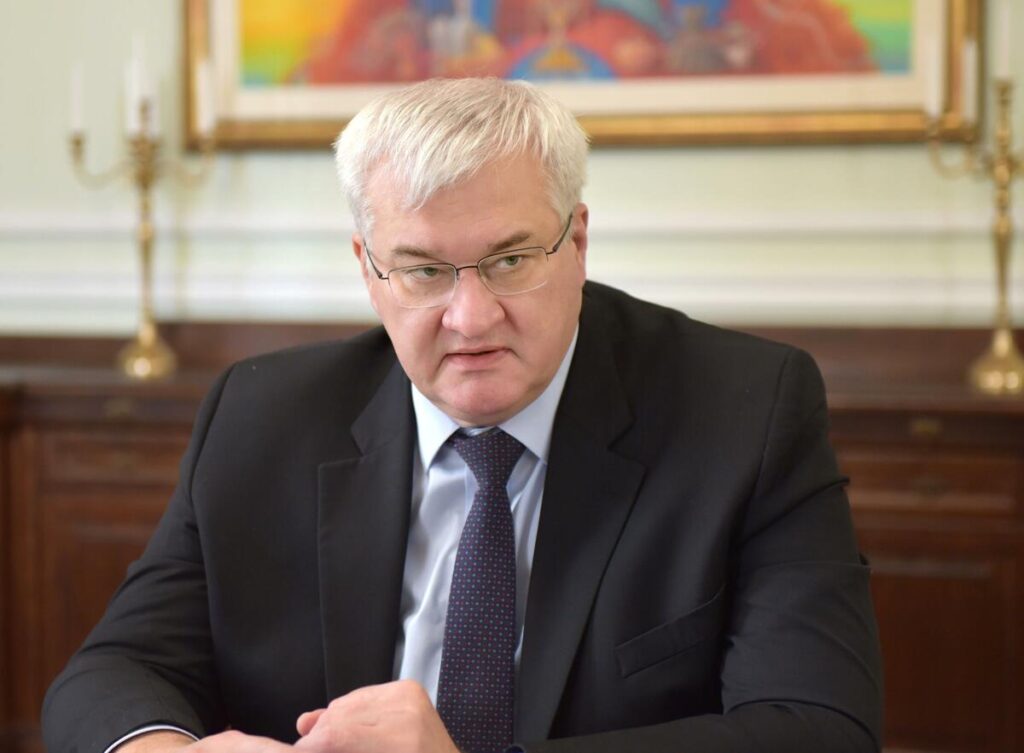
Ukrainian Foreign Minister Andrii Sybiha’s comments in an exclusive interview with Kyodo News come after sources said Japan is considering introducing drones developed and refined by Ukraine during its fight against Russia’s full-scale invasion that began in February 2022.
Ukraine is “ready to share with Japan our experience gained on the battlefield,” Sybiha said, adding that it is “open to interaction, based on the level of readiness of the Japanese side.”
Under Japanese Prime Minister Sanae Takaichi, a national security hawk, the government is seeking to bring about a shift in the country’s defense capabilities under its war-renouncing Constitution, amid what it calls its most severe security environment since the end of World War II.
In March, sources familiar with the matter said that Japan is considering introducing Ukrainian-made drones to bolster its defense capabilities, with a bilateral arms transfer agreement to safeguard secrets seen as one option to realize the move.
The sources said the discussions came about after Ukraine approached Japan. Ukraine already has entered into defense cooperation agreements with Gulf states targeted by Iranian drone and missile attacks, including the United Arab Emirates and Qatar, drawing on its counter-drone expertise.
Sybiha said Kyiv is “very interested in high-level, top-level dialogue” including a meeting between Ukrainian President Volodymyr Zelenskyy and Takaichi during June’s Group of Seven summit in France. Her predecessor Shigeru Ishiba met the Ukrainian leader on the fringes of last year’s summit in Canada.
Sybiha said he is aiming to visit Japan in the latter half of the year.
Amid concerns over the global economic effects of oil supply shortages from the effective closure of the Strait of Hormuz in the U.S.-Israeli war against Iran, Sybiha warned against temporary U.S. exemptions of sanctions on Russian oil.
“Now is not the right time to ease the pressure on Russia,” he said, calling the U.S. role in achieving peace “decisive.”
“Any decisions to ease or eliminate sanctions pressure on Russia are wrong, and they slow down peace efforts and the peace process,” he added.