
Deportations and immigration crackdowns are hurting economies across the country. Immigrants pay taxes and are a major part of the labor force in construction, agriculture, and healthcare.
“The small business owners that we’re talking to are reporting lower foot traffic, lower sales, more absenteeism from workers themselves,” said Victor Sánchez, executive director of the Los Angeles Alliance for a New Economy.
The city’s seen immigration fall by two-thirds. Deportation fear also has a chilling effect on immigrants going out in public. LA public schools have seen a 4.5% drop in student attendance.
“That’s important because attendance is tied to school funding,” Sanchez said. Fewer kids in desks means LA’s public schools have lost more than $100 million this school year.
And that’s just in Los Angeles.
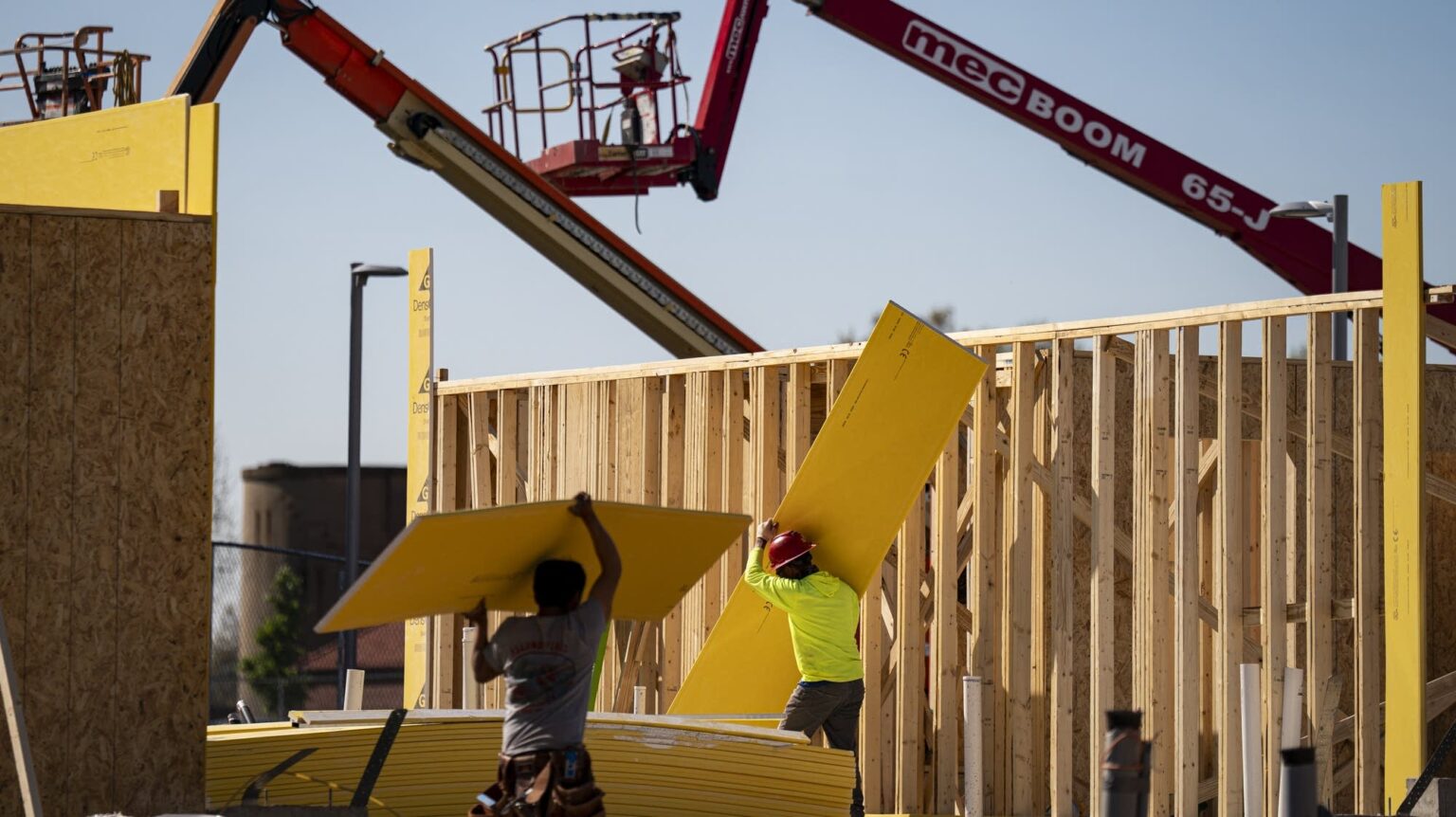
“Contractors in South Texas have reported nine- to 12-month delays in terms of home building,” said Rebecca Shi, who leads the American Business Immigration Coalition. “In Idaho, for example, crop productions are down 22%, and milk productions are down 40%.”
And, thanks to a growing elderly population and a dwindling pool of immigrant healthcare labor, she said that elder care costs are rising three times faster than inflation.
This is not the U.S’s first foray into mass deportation. The country kicked hundreds of thousands of people out in the 1950s. But that didn’t affect the economy so much, because back then, the fertility rate was about double what it is now. That created a steady supply of new, native-born workers.
As birth rates decline, immigration is what allows the U.S. population to continue growing. That hasn’t been the case for a while, per Tara Watson, an economist with the Brookings Institution.
“The way that we have continued to grow as a society is that we brought in more immigrants,” she said. “We don’t have this channel of people coming through the ranks in the working age population that are paying taxes, that are supporting Social Security and Medicare, and also that are available to do the work of caregiving.”
Watson said the COVID pandemic proved that a year or two of slow or even slightly negative migration doesn’t really hurt the economy. But if it lasts for five years or longer, that’s when she’ll get concerned.
Related Topics