
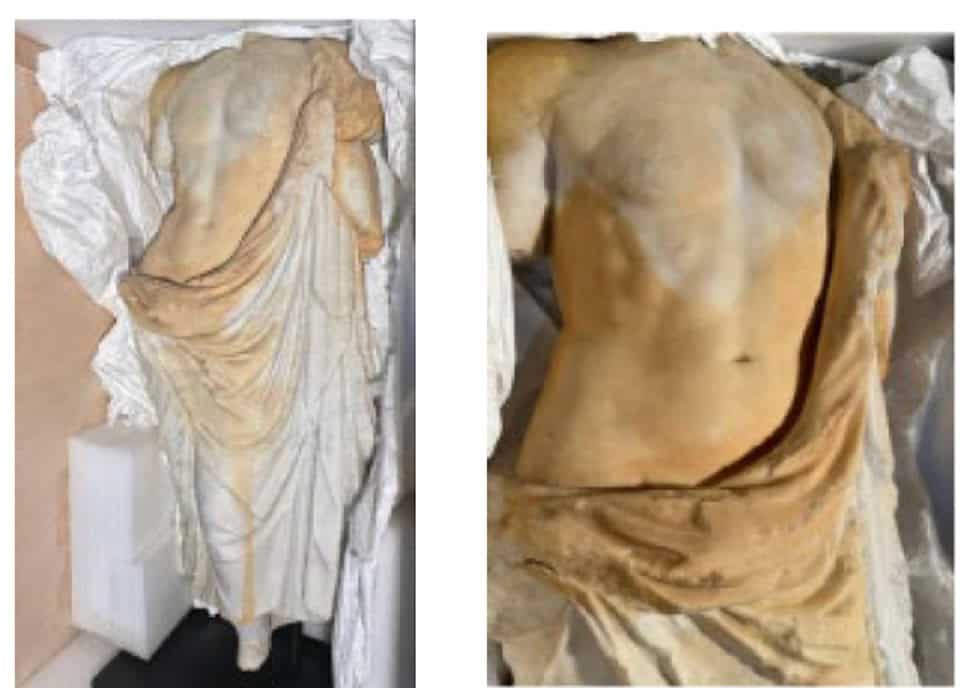
American authorities have repatriated a significant collection of stolen cultural artifacts to Greece, including 25 ancient coins spanning the Greek, Roman, and Byzantine periods and a 500-pound marble torso of Asclepius, the ancient Greek god of medicine and healing.
The artifacts were handed over by the U.S. Department of Homeland Security’s Homeland Security Investigations (HSI) unit as part of ongoing efforts to combat cultural property trafficking.
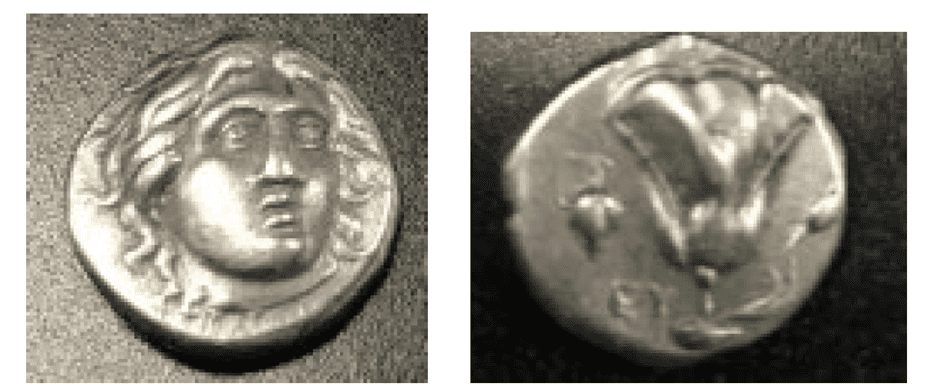 A silver didrachma of Rhodes, minted in 304 B.C.E., depicts Helios on the front and the “Rose of Rhodes” on the reverse
This latest repatriation reinforces a strong and continuing partnership between the United States and Greece in protecting cultural heritawge. Since 2007, HSI has successfully returned more than 200 cultural objects to Greece. Many of these recoveries were made possible through the bilateral cultural property agreement between the two countries, which was implemented in 2011.
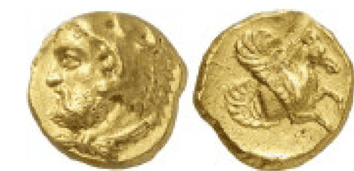 A gold coin of Lampasakos, Mysia, minted in 370 B.C.E., depicts Hercules on the front and Pegasus on the reverse
The marble torso of Asclepius is particularly notable due to its size and historical importance. Asclepius was one of the most revered deities in ancient Greece, with temples and healing sanctuaries dedicated to him across the ancient world.
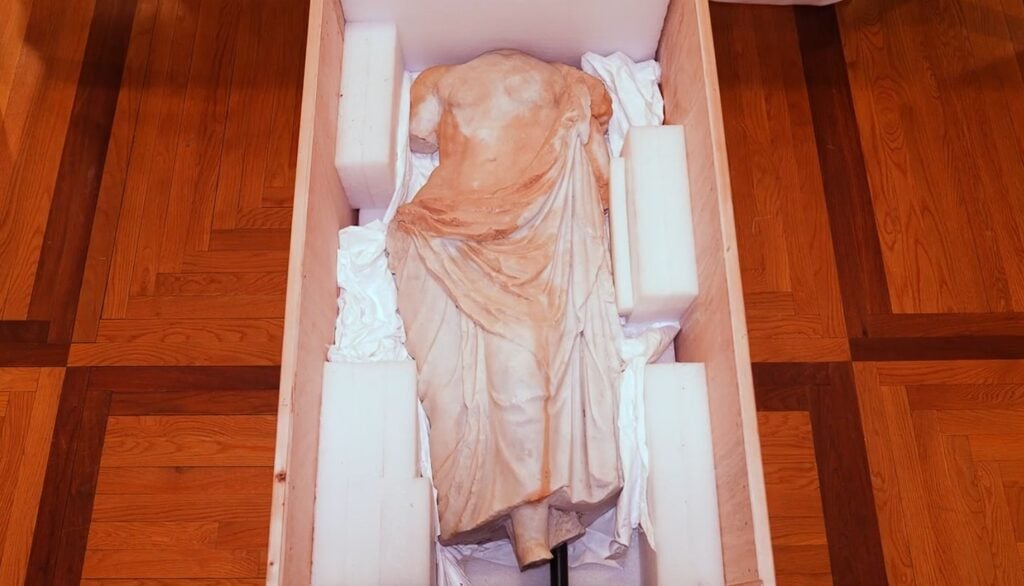 The marble torso of Asclepius, ancient Greek god of medicine and healing from the 1st or 2nd century and stands 40 inches tall.
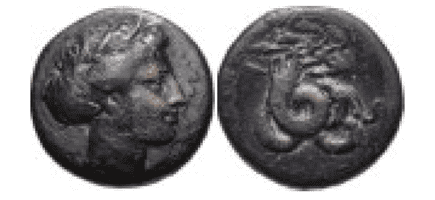 A bronze coin of Macedonia, from the 4th century B.C.E., depicts Persephone on the front and Hydra on the reverse
Greek officials welcomed the return, describing it as another important step in preserving the nation’s rich archaeological legacy and discouraging the illegal trade in antiquities.