
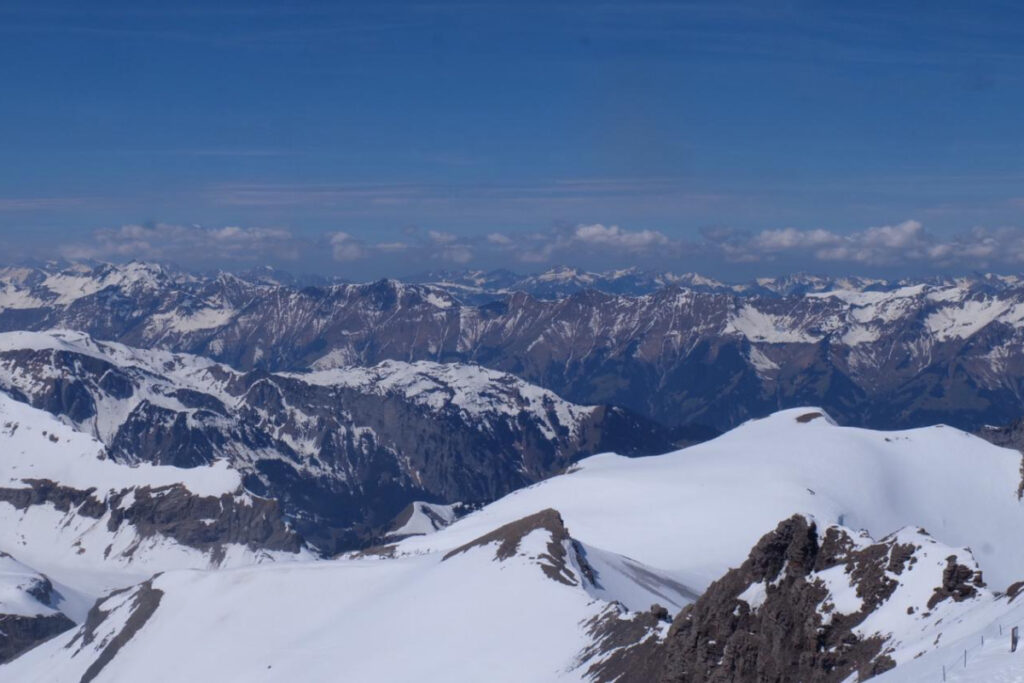
An unseasonably warm spring encourages colourful blooms at the New Botanic Garden of the University of Zurich in Switzerland. However, Evelin Pfeifer, a garden educator, pointed to the 170-year-old beech tree on campus. A bleak sign of climate change is revealed through its frail branches. Despite efforts to defy its grim fate, the damage cannot be undone. For safety, it will be cut down at the end of the year.
“The beech trees are suffering from climate change. Last summer was really hot and dry and there was not enough rain. Fungi grow under the bark and destroy tissues. Branches or even the whole tree can come down,” said Pfeifer.
“It is like our immune system. If you don’t eat and sleep properly, you get ill.”
The fate of beech forests is equally gloomy. Pfeifer said some are dying due to rising temperatures. This species of beech also grows in Italy where the climate is warmer. Scientists are finding ways to bring its seeds to Switzerland (as these trees adapted to a warmer climate), however, the solution is just the tip of the iceberg. In Pfeifer’s view, despite government efforts, carbon emissions, particularly from transport, remain a major challenge.
The end of this tree species is an example of the impact of climate change. What can we do to live in a more sustainable manner? A group of journalists joined a one-week journey through Zurich, Interlaken and Schilthorn with Switzerland Tourism — from April 13-21 — which showcased the country’s commitment to sustainable travel through destinations that excel in environmental stewardship.
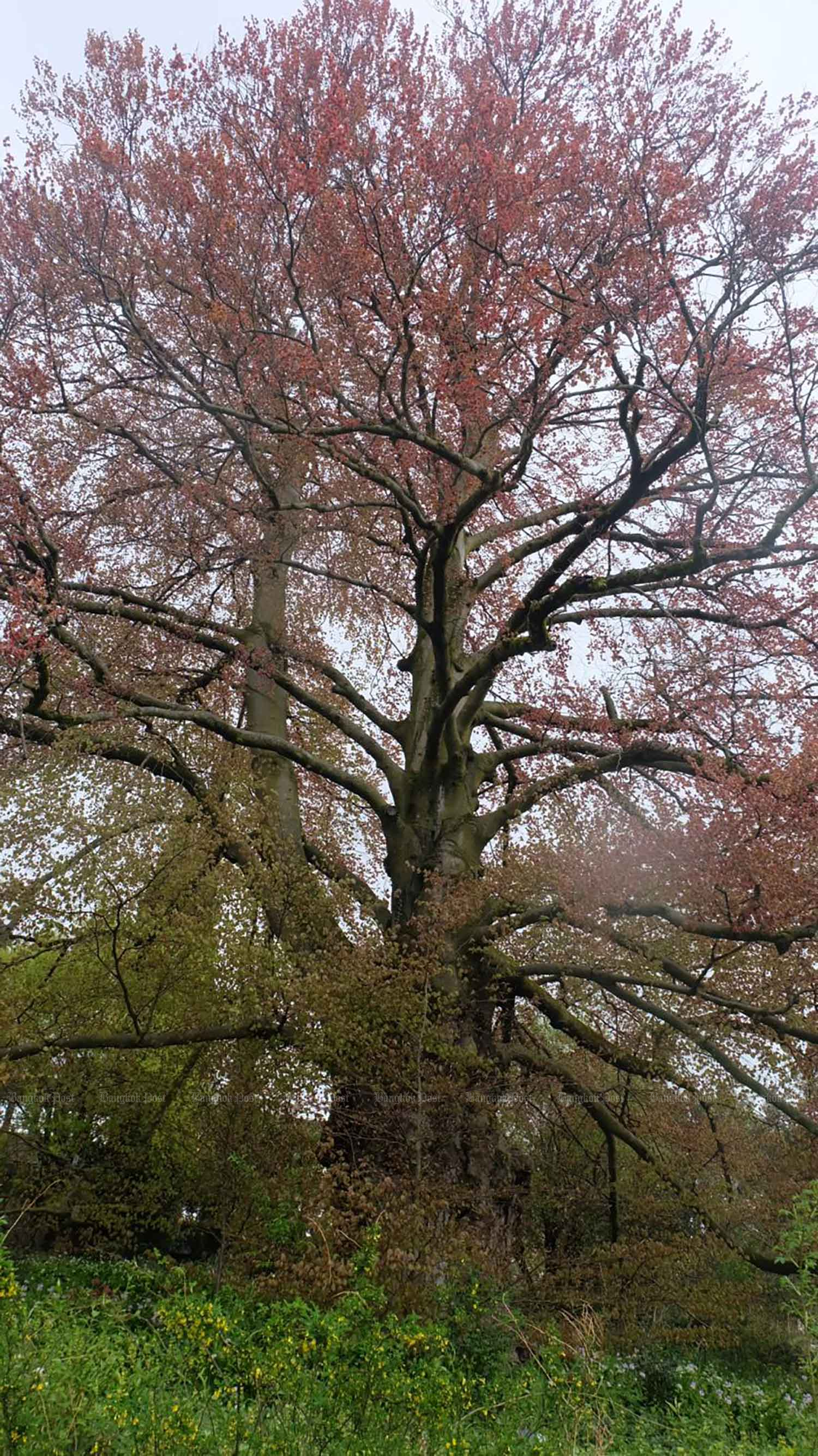
A beech tree at the New Botanic Garden.
On the first day, I met my travel companions from the Philippines and Malaysia in Zurich. Following an audio guide tour by myclimate, we learned what the city is doing to protect the environment. Zurich West, for example, is a textbook case of sustainable practices. Once an industrial hub and wasteland, it has grown into a hipster district, with offices, shops and eateries.
Here, a couple of places near Viadukt champion transition to the circular economy. At the Freitag Flagship Store, we learned how the brand makes products from used materials. I climbed to the top of its stacked shipping containers (26m high) to catch sight of the city’s panorama, including the country’s first waste-to-energy incineration plant at Josefstrasse. After over a century, it has been transformed into an energy centre.
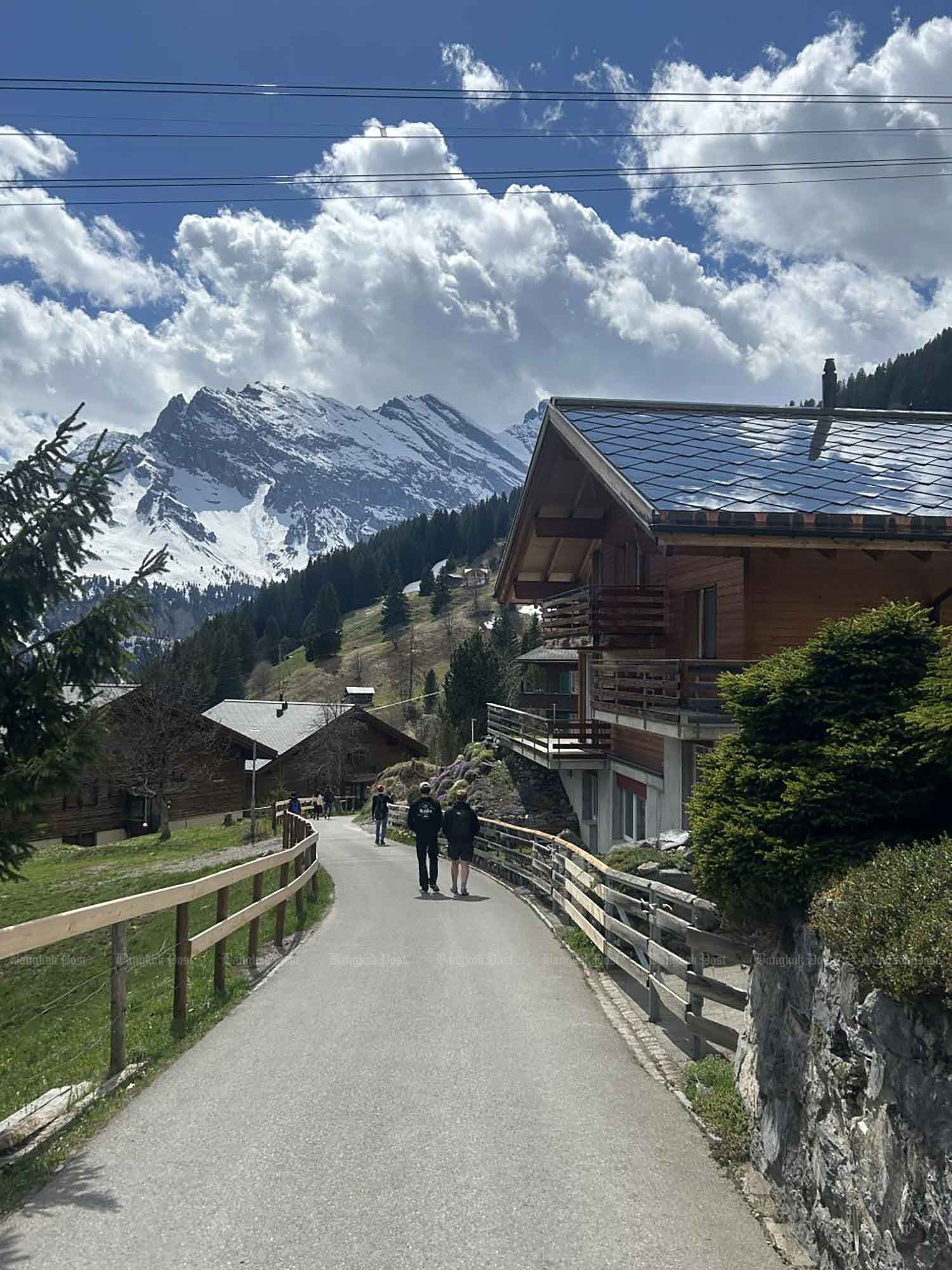
Mürren.
The next day, we went to the Werkstadt Zürich in Altstetten. Located near a rail hub, this eco-friendly production centre is home to businesses of various kinds, such as sustainable bags at Qwstion, natural care products at Soeder and chocolatier Laflor. It gathers a number of entrepreneurs to redefine production, distribution and consumption in a sustainable manner.
In the afternoon, Maria Abegg, a local guide, took us to local brands that minimise use of resources. At Soeder, customers can bring brown glass bottles to its refill stations to cut down on waste. Similarly, Zuriga produces espresso machines with durable simplicity in its own factory in Zurich. Of course, they are designed for repair.
“Closing the loop is a big topic, especially for young people. Many care about the environment because the weather is changing. It is their future,” she said.
During our time in Zurich, we stayed overnight at Hotel Seidenhof. As part of Sorell Hotels, it is committed to achieving net-zero carbon emissions by 2050. It integrates sustainable practices into everyday living, for example, cuisine. It cuts food waste and offers plant-based dishes to reduce climate impact. A backyard garden can supply herbs to the kitchen, while reducing carbon emissions from transport in winter.
Nicole Thurnherr, deputy chief operational officer, said in every hotel, a sustainability team is working with a general manager. Many initiatives come from staff. It is not always successful, but the key is to try. Staff once grew herbs inside to supply ingredients, but they all died because there was not enough light. Yet they gained first-hand experience.
“When we do sustainability, of course, we have goals, like net zero and other things, but it is bottom-up,” she said.
Matthias Ramer, a general manager, admitted he did not believe in sustainability until seven years ago. The way young people care about the environment changed his mind.
“Sustainability, at the end of the day, is quality,” he said.
The following day, we left Zurich to go to Interlaken. Here, we went to Jungfraujoch, the top of Europe, which sits in the heart of the Unesco World Heritage Site Swiss Alps Jungfrau-Aletsch. At 3,500m above sea level, the summit made me thrilled and giddy. Some, including me, fell asleep on the return trip.
For me, e-biking is the best way to experience the lakeside town. Interlaken sits between Lakes Thun and Brienz, where water comes from surrounding mountains. We rode past meadows, farms, rivers and a hydropower plant. We had lunch on a cruise from Interlaken West to Thun, where we explored the old town and its medieval castle. Our itinerary concluded raclette rafting at Lake Brienz.
Following Interlaken, we arrived at Stechelberg where we took the world’s steepest cable car to Mürren. After checking in at a hotel, we took the new cable car using Funifor, a specialised system known for wind stability, for the first time to Birg and Schilthorn. Adopting energy management principles, three sections of the cable transport are recent upgrades of existing services to avoid power peaks. The final stretch from Birg to Schilthorn just began operation in early April.
Mechanic Oscar Quesada gave us a backstage tour. He noted that when the cable car goes down, it generates power for the next day’s journey.
“Today, for example, we use half of the old power from yesterday. The cable car makes it up. It is the biggest innovation we have had,” he said.
At Birg, we tiptoed along a 200m-long steel walkway that clings to rock massif. Rope and cattle grid, glass floor and a crawl-through tunnel were sources of adrenalin. Schilthorn rose to fame as it was the main site for On Her Majesty’s Secret Service (1969), where James Bond broke into the villain’s hideout Piz Gloria. From there, I got a panoramic view of the snow-clad Alps.
On the last day, Ellen van Tuyl, a local guide, took us on a tour of car-free villages. At Mürren, wooden chalets huddle together. While meandering down, we enjoyed fresh air, natural beauty and peace. Forest barriers help prevent avalanches, floods and landslides. At Gimmelwald, we dropped in farmhouses and tasted local cheese.
When all is said and done, climate impact is undeniably real. Tuyl has lived here for nine years. She said snow cover at high mountain altitudes is retreating. Due to her short period of stay, significant changes may not yet be perceptible. Yet, older people said they see a huge difference.
“Jungfrau means virgin in English because it is fully white and untouched. But now, it is not white any more,” she said.
A number of destinations in Switzerland encourage a sustainable way of life, balancing our need for comfort with environmental impact. Rather than providing all kinds of amenities, it slows us down to re-prioritise what really matters. It comes down to living a more meaningful life. Sometimes, joy is not always found in using more, but in cultivating the mind to enjoy less.
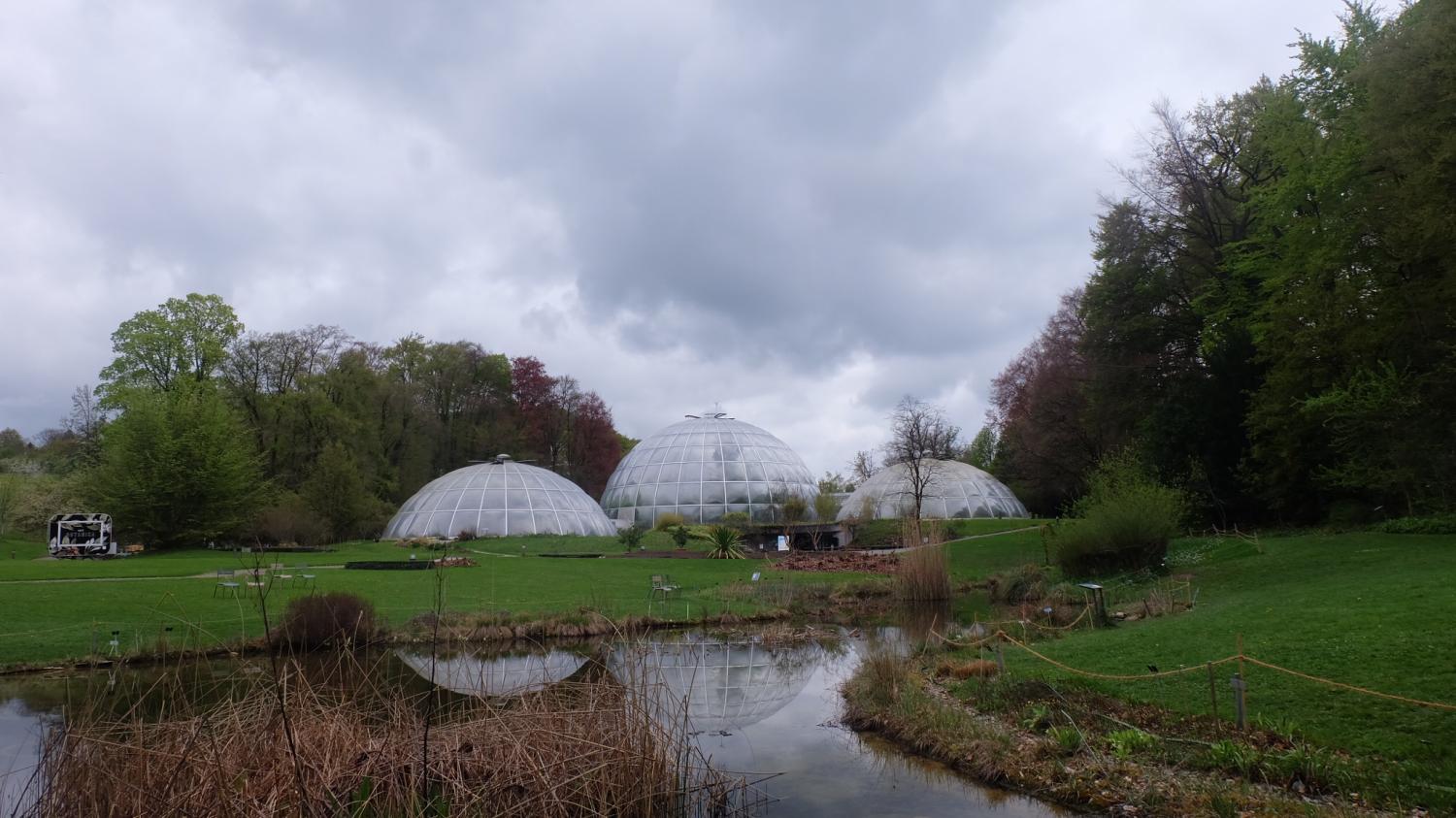
The New Botanic Garden of the University of Zurich.
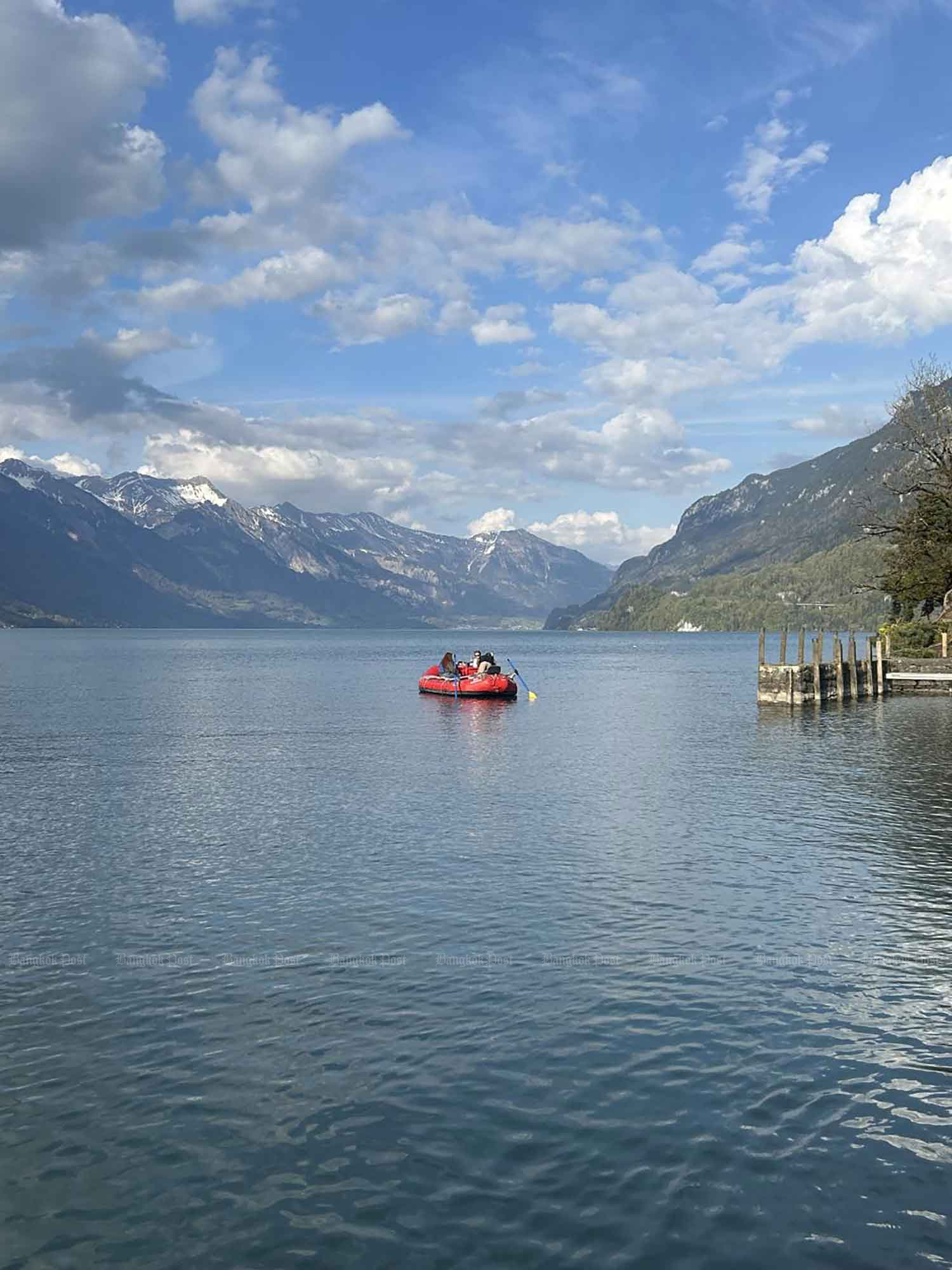
Raclette rafting at Lake Brienz.