
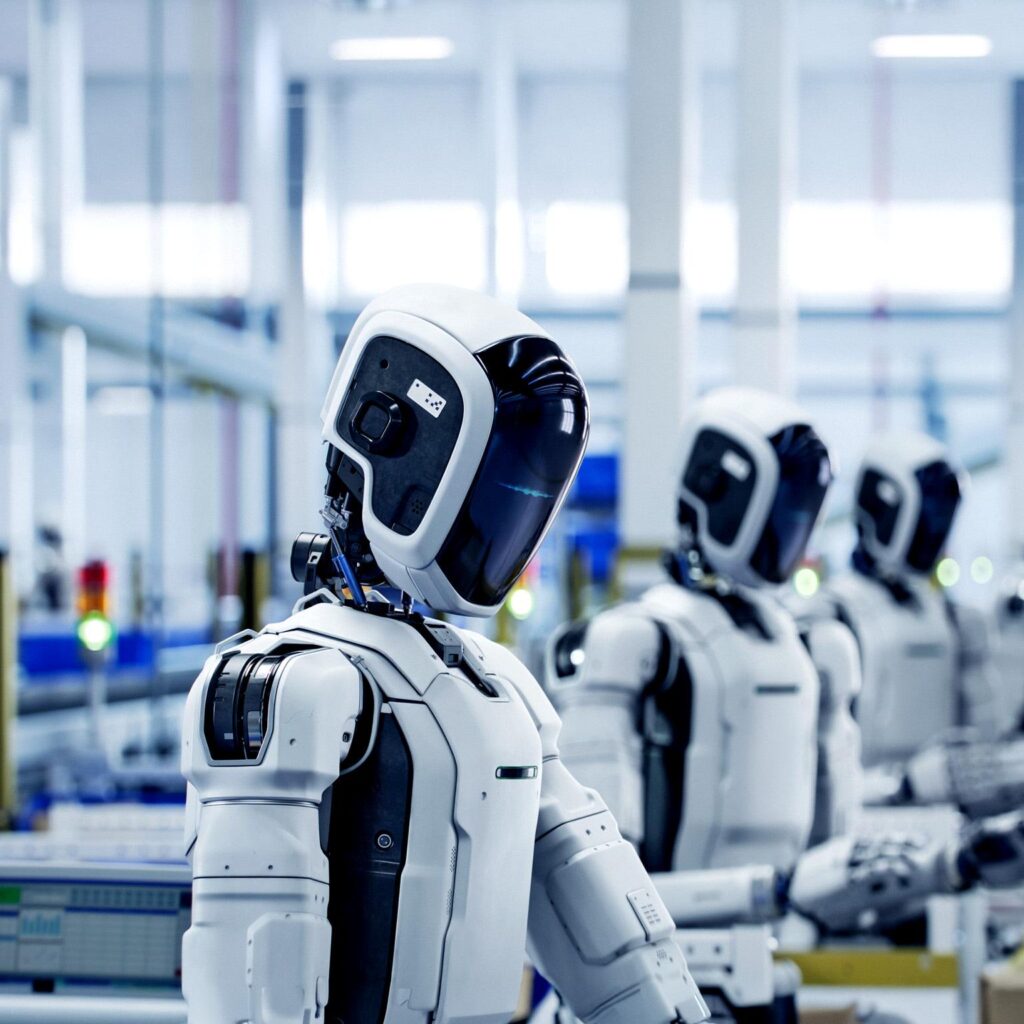
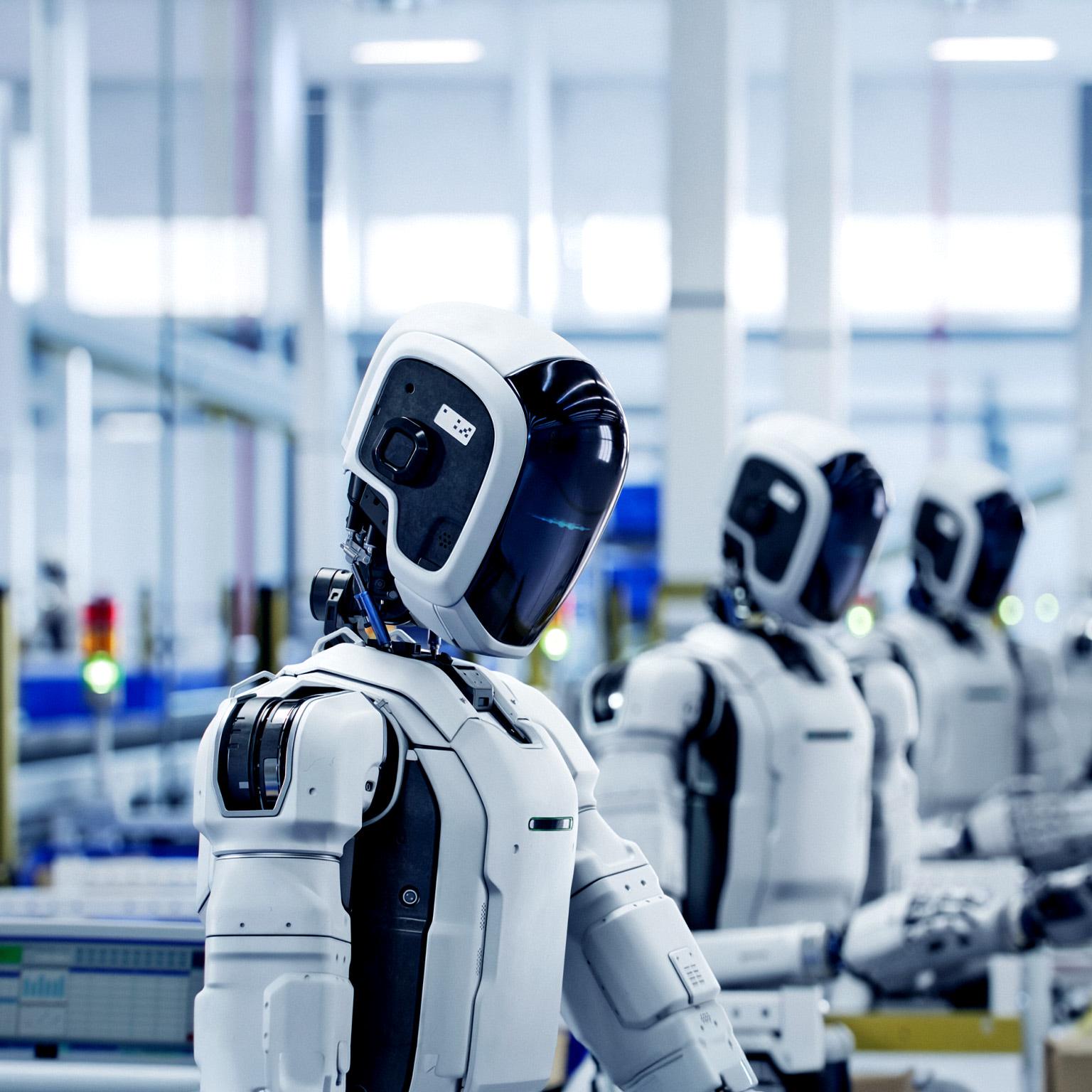
McKinsey argues that the biggest challenge for humanoid robots is no longer AI capability; it’s the hardware supply chain. Humanoid robots depend on a complex hardware stack. The most expensive and critical area is actuation (motors, gears, movement systems), representing roughly 40–60% of total cost. Robot hands are especially difficult and dependent on this complexity.
What follows from these facts? This is an area China dominates, and it follows humanoid robotics, too.
As China has done for the EVs, the typical/average global humanoid robot of the 2030s-40s will be Chinese-made, ≈ $10k, and sold in the global south.
McKinsey – Turning humanoid supply chain constraints into billion-dollar wins
A new McKinsey report details why the future of global humanoid robotics is likely to be – Chinese-made, Cheap <$10K, and ubiquitous.
byu/lughnasadh inFuturology
12 Comments
Makes sense when you look at how they already control most manufacturing supply chains anyway. The actuation stuff being 40-60% of cost is wild though – like imagine trying to build competitive robots when China has locked down all the motor and gear production
Wonder if this creates same situation as smartphones where everyone just accepts Chinese hardware but tries to compete on software layer instead. Probably gonna see lot of Western companies doing “design in California, made in China” approach for robots too
The answer to any problem is never a human shaped robot.
Real question: has McKinsey ever release a correct predictive report? All I ever see are reports that turn out to be wrong.
i love companies that are clearly filled with engineers and not a single normal person to ask “who the fuck wants a human sized doll in their house?”
don’t get me wrong, i can see a future filled with robots, just not ones that resemble humans. it’s fucking weird.
I have a question to those of you, who know the current state of humanoid robot development. How far are we with learning of intricate tasks? Lets say, learning how to do garden work or sweep floors. Is it already possible to show those robots how to do that and if -probably- not, how long do we need?
honestly this feels extremely plausible. people focus so hard on the “robot brain” side that they forget manufacturing gravity usually decides who wins mass deployment markets.
AI models can diffuse globally pretty fast. supply chain dominance doesnt.
if actuation + precision manufacturing are the real bottlenecks, then China already has a massive advantage from EVs, batteries, motors, industrial automation, and scale economics. feels very similar to how people underestimated Chinese EVs until suddenly they werent “cheap alternatives” anymore 😭
also the <$10k point is the scary threshold. once humanoids cross from “research luxury” into “appliance pricing,” the adoption curve could get weirdly fast in logistics, warehousing, elder care, retail, etc.
Honestly this is giving me massive EVindustry dejavu lol…. Everyone pretty much focuses on the flashy AI demos, but once you zoom into actuators, reducers, motors, batteries, supply chains, manufacturing scale etc, humanoid robotics starts looking way more like an industrial manufacturing war….. and China is ridiculously strong there rn.
I have yet to see a humanoid robot walk through mud.
The element that has crippled basically everything from machines to mammals.
So i doubt robots ever be able to fully replace human workers. Though you can expect the “lucky few” who get to do that will still get paid shit as they are now.
But they deffentialy will kill the service industry, I.E. waiters, delivery drivers, ect… as they already are in use in these. And the cheaper they get, the more prevalent they will be.
If Mckinsey’s 51% reports and predictions were correct they’d be our godfathers and laughing at Black Rock.
That doesn’t seem to be the case to me atleast right now
Mark my words. Humanoid robots are useless. And in 2030s-40s they always will be.
Everything that they can automate can be automated cheaper and easier by robots with actual thoughts behind them.
Humanoid robots are still shit though. They have damned near no industrial applications that can’t be better served by AMRs or specialist systems, all of which are cheaper to buy run and service. They’re a pile of shit for anything other than human interaction, telepresence or niche applications in warfare
Robot hard to build need lots of motor, hand difficult.
What a report, I missed the part where AI was good enough to run complexe 3d task and did not require aid from an external pilot like on all recent robots released.