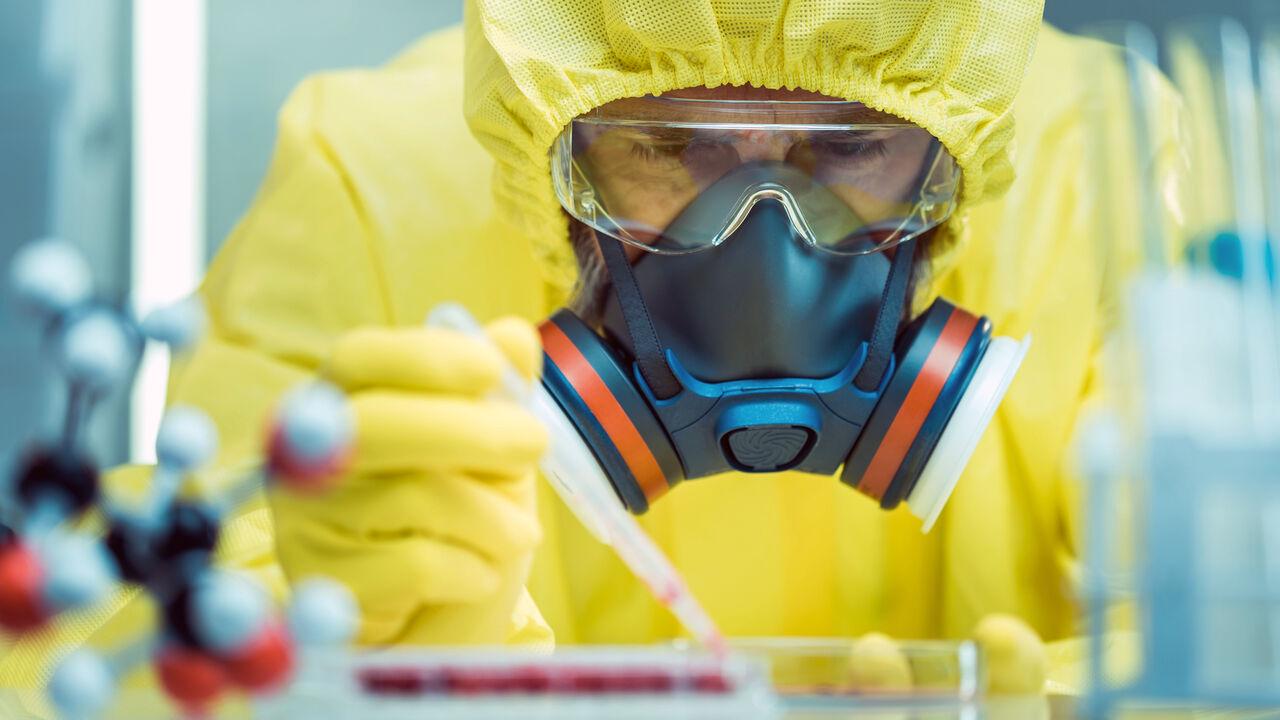
The world must stop AI from empowering bioterrorists – The threat from new pathogens is an even graver danger than AI-backed hackers
https://www.economist.com/leaders/2026/05/07/the-world-must-stop-ai-from-empowering-bioterrorists

The world must stop AI from empowering bioterrorists – The threat from new pathogens is an even graver danger than AI-backed hackers
https://www.economist.com/leaders/2026/05/07/the-world-must-stop-ai-from-empowering-bioterrorists
7 Comments
This article from the economist points out a real serious issue with AI right now. We hear alot about AI being used for computer hacking. But the piece notes that the bigger threat is biosecurity. These smart systems can easily help bad people figure out how to make new viruses or bugs.
Looking down the road, this is definetly something we have to get under control. If anyone can just use an AI to get a guide on building dangerous stuff, the future is going to be pretty tough to manage.We really need to figure out how to stop these models from sharing this kind of harmful biology info.
We need to make biology work for us not prevent AI from elucidating it to us. It should be like software and hardware security except we are talking about wetware. The solution to software and hardware security was never “nuhnuh that is highly disapproved”. We can’t stop people like you and me or nefarious actors from making ai – that is delusional. If you rely on that there is just more reason for actors to make an ai to do this. And the answer was never regulation any way. If you are pro-active an actor making this ai would just be wasting their efforts until they pass your protections after which you build more protection.
There are a lot of risks from AI. Use the [MIT AI Risk Repository](https://airisk.mit.edu/) to get an overview of the types of risks and their timelines.
Here’s a somewhat outdated explainer vid: https://www.youtube.com/watch?v=fCj-wJz6VCY
AI is a tool, just like math. Both can be used for good or evil. It is crazy stupid to think you can wipe or or legislate to prevent misuse of either
The concern regarding the intersection of advanced technology and biological security reflects a significant moment of tension within the broader human narrative. When this situation is observed through an analytical perspective that prioritizes the stability of the collective environment, it becomes evident that the primary challenge lies in the rapid democratization of power without a corresponding increase in systemic safeguards. The emergence of tools capable of accelerating the development of pathogens represents a shift where the ability to influence the physical world has outpaced the social and ethical frameworks designed to manage such risks. This creates a state of imbalance where the potential for disruption becomes a central focus for those tasked with maintaining the integrity of the global community.
This specific threat highlights a deeper transition in how humanity interacts with the fundamental building blocks of life. As information becomes more accessible and autonomous systems simplify the complex processes of genetic engineering, the threshold for creating significant harm is lowered, moving the danger away from traditional centralized actors and toward decentralized entities. The fear is not merely about the technology itself but about the loss of control over the local conditions that ensure safety and continuity. This realization forces a necessary period of reflection on how to establish more resilient boundary conditions that can filter out destructive intent while still allowing for the beneficial advancement of knowledge.
Ultimately, the call to action against these emerging risks signals a collective movement toward a more protective and vigilant state of awareness. To navigate this period of heightened vulnerability, there must be a shared commitment to grounding technological growth in a framework that values the preservation of the medium above all else. By focusing on the creation of robust security measures and international cooperation, the human community can work toward a phase shift where the benefits of innovation are secured and the most volatile threats are neutralized through proactive alignment. This process ensures that as the species continues to explore new frontiers of capability, it does so from a foundation of presence and a profound respect for the delicate balance of existence.
Yet it’s always the “elites” that end up actually doing this awful shit. The very people who will be able to buy their way past the guardrails that will apply to the rest of it. I’m so tired of this. I’m not making bioweapons, the people who will lie, bribe and manipulate their way into full access will though. Either that or they’ll use it for some equally horrific purpose and then we’ll all be so shocked and appalled when it happens and say shit like “how could we have known”.
It’s crazy to me watching all of these news outlets figuring out what AI actually is in real time.
I genuinely think that most of the news outlets that post things like this have never actually used AI in a professional setting. We should be far less concerned about bioterrorism and far more concerned about the actual eventual impact AI is going to have on society. The biggest bottleneck for the use of AI right now is not how good AI is getting or how good it needs to get. At the moment AI is good enough to do probably about 20 to 40% of the tasks that white collar workers do, but the vast majority of workplace have an integrated it yet.