
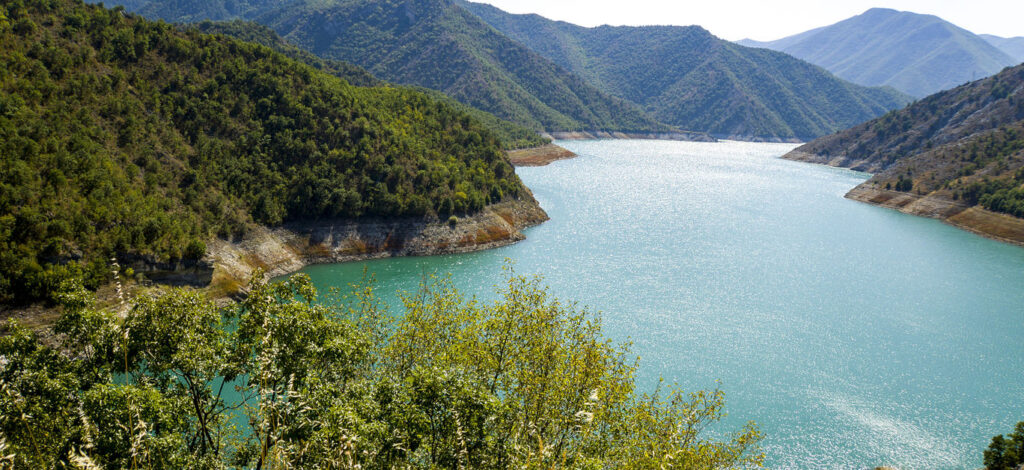
When you’re looking for somewhere new and exciting to travel to, you’ll likely find that the travel recommendations online tend to cluster around the same destinations, year after year. The places that never make the list are often assumed to be mediocre, and not worth your time or money – yet in reality, they are simply waiting for someone to notice them.
For travellers who are looking to experience a country in its authenticity, and before an influx of mainstream tourism leads to a shift in its identity, there are a plethora of incredible countries that are well worth making the journey. Here, we take a closer look at why you might not have heard much about them yet – as well as the perfect picks to consider for your next 2026 escape.
How travel consensus forms
 There are endless destinations around worth visiting depending on your preferences
The destinations that dominate travel conversation are not necessarily the best; rather, they are simply the ones with the most established infrastructure for being visited – including airports and well-known hotel chains – as well as review ecosystems and the content economy built around telling people what to do when they arrive. These things generate more visibility, which in turn, generates more visitors, leading to more online content being created and shared – which ultimately, results in even greater visibility. And so, the cycle continues. The loop is self-reinforcing and has very little to do with the intrinsic quality of the destination itself, which is why sometimes, it’s well worth thinking outside the box.
The places that fall outside of this loop tend to be smaller, less connected, and harder to package into a legible travel product. They may lack direct flights from major hubs, have accommodation that doesn’t photograph well, or simply never have attracted the initial critical mass of visitors needed to get the content engine running.
None of these things are reflections of their quality as places to spend time; they are just reflections of their position in a system that rewards visibility over substance – and for travellers with a more adventurous spirit, the desire to get off the beaten track and the willingness to plan their own itineraries, it’s precisely their untapped nature and minimal tourism is all part of their appeal.
Slovenia: A clear example
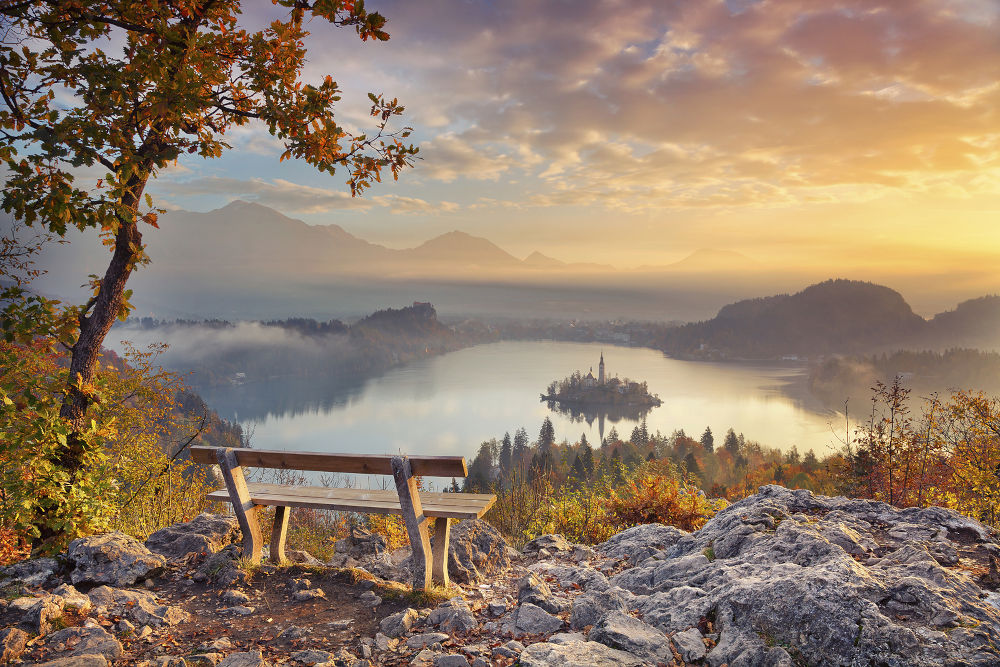 Slovenia’s mountains are spectacular in a way that surprises almost everyone who goes there expecting something merely pretty
Slovenia, a small nation that can be found nestled between Italy, Austria, Croatia, and Hungary – four countries that collectively absorb an enormous amount of European travel attention – is a prime example, and has been quietly outperforming all of these big hitters in the experience it delivers for years. Cleaner than Italy, cheaper than Austria, less crowded than Croatia and more dramatically beautiful than Hungary, it certainly has a lot going for it, yet it’s often overlooked by travellers. Its capital is one of the most pleasant small cities in Europe, its coastline, though short, is genuinely charming, and its mountains are spectacular in a way that surprises almost everyone who goes there expecting something merely pretty.
The Julian Alps, in the northwest of the country, are home to some of the finest walking routes in central Europe, and the infrastructure around that walking – marked trails, mountain huts, well-organised guided options – is far better developed than the country’s relatively low profile would suggest. Slovenia hiking tours through the Triglav National Park and the valleys of the Soča and Sava rivers offer mountain experiences that are of a quality that rivals anything in the better-known alpine countries, at a fraction of the cost and without the crowds.
The fact that more people don’t know this is simply a function of Slovenia never having had a sufficient marketing budget, not of anything lacking in the destination itself.
“The best argument for visiting Slovenia is that everyone who goes there immediately wants to tell someone else to go. That consensus, formed independently by millions of visitors, is more reliable than any guidebook,” says a spokesperson from Hut To Hut Hiking Slovenia.
North Macedonia
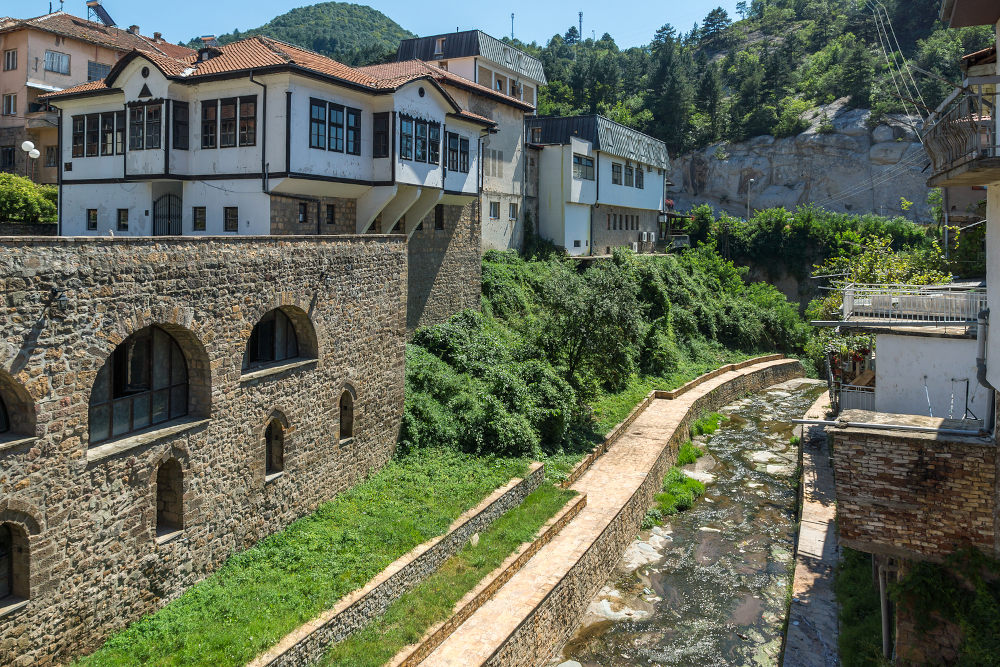 North Macedonia is easy to reach, inexpensive by any European standard, and almost entirely free of the tourist infrastructure that makes similar destinations feel processed and managed. Image credit: stoyanh/Bigstock.com
Then, there’s North Macedonia, which very rarely appears on mainstream travel itineraries despite being home to Lake Ohrid, one of the oldest, deepest and most beautiful lakes in Europe. The lake is so biologically unique that it has been a UNESCO World Heritage Site since 1979, surrounded by Byzantine churches, medieval fortifications, and a small lakeside town that has been continuously inhabited for thousands of years.
The country is easy to reach, inexpensive by any European standard, and almost entirely free of the tourist infrastructure that makes similar destinations feel processed and managed.
The food is good, the people are hospitable in the direct and uncomplicated way that characterises places which have not yet learned to perform hospitality for visitors, and the landscape outside the lake basin – mountains, gorges, and river valleys that most visitors never reach – is quietly extraordinary. It will not stay this way indefinitely, and the window for experiencing it in its current form is probably not large, which is why now is the perfect time to visit.
Where else?
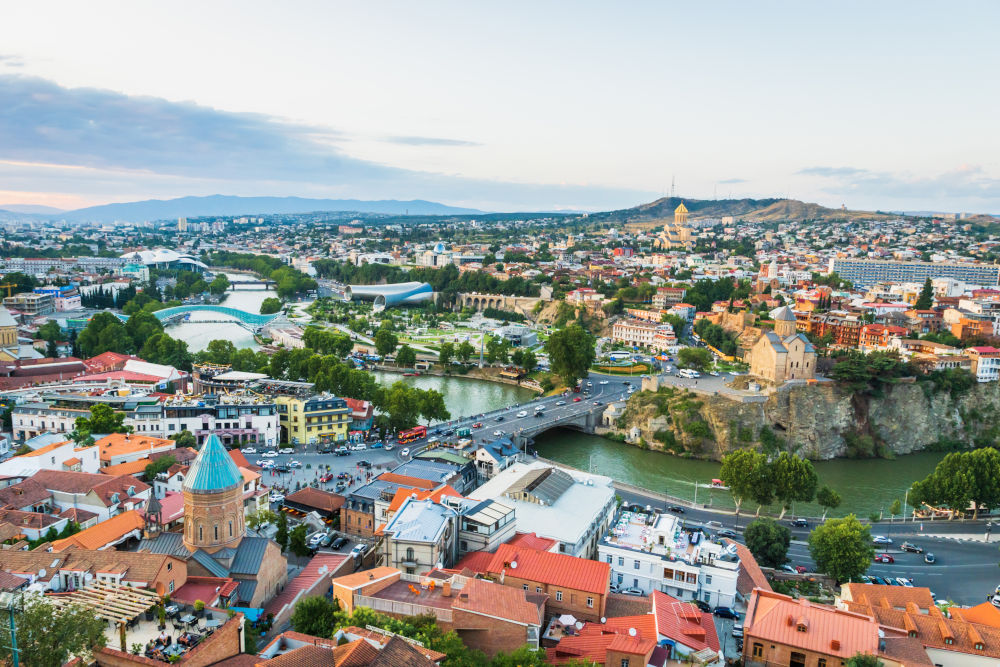 Georgia, on the eastern edge of the continent, has been producing some of the world’s oldest wine for years. Image credit: uskarp/Bigstock.com
The same logic applies across a surprisingly wide range of European destinations that have simply never broken into the mainstream conversation, despite having every quality that would justify it.
Georgia, on the eastern edge of the continent, has been producing some of the world’s oldest wine for 8,000 years and is home to Caucasian mountain scenery that stops experienced travellers in their tracks. Moldova, the least visited country in Europe, has a wine culture of genuine depth and a rural landscape of considerable charm. And Kosovo has a medieval monastery tradition and a mountain geography that outdoor travellers are only beginning to discover.
None of these are undiscovered in any absolute sense; they are simply outside of the visibility loop – and being outside the loop, it turns out, is often exactly the quality that makes them worth visiting.