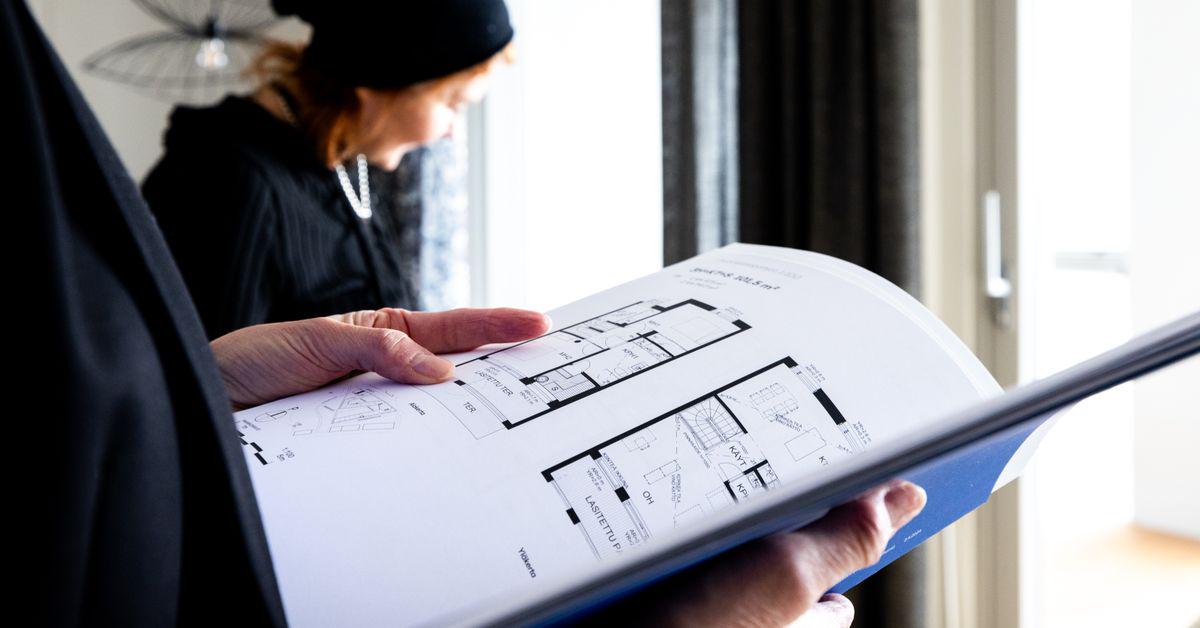
Now that’s going to be interesting. Gotta wait sometime to see figures for property sales.
https://yle.fi/a/74-20225826
Posted by YourShowerCompanion

Now that’s going to be interesting. Gotta wait sometime to see figures for property sales.
https://yle.fi/a/74-20225826
Posted by YourShowerCompanion
10 Comments
Can still make it and live the dream of house ownership when i hit 90!
Fuck no.
So…. I can finally sell my place now… in this economy
Generational debt.
Well, more like the Swedish model where people can actually gather some meaningful stock portfolios. The banks win and people win.
Not a good sign.
Rather than decrease house prices by building more, they either can’t afford it or won’t do it for fear of upsetting the older voters. So instead, they’ll spread the cost of borrowing over longer terms which will funnel a whole generation’s worth of wealth to private banks.
Long term this will be bad but in the short term some younger people (who can afford the deposit) can get homes in exchange for being in debt until they retire. Oh, and paying about the price of an extra house in interest along the way.
4 years left of our 25 year mortgage…
Considering a row house in Espoo is cheaper than a row house in the tiny town I’m from in one of the cheaper parts of the Netherlands, Finland really can’t complain about housing cost.
This is a good development for people who can manage their money with discipline. I still have 15 years left on my mortgage, but have enough in stocks to pay it off tomorrow. Being able to borrow large sums against a home for such a long period at around 3%, then be able to invest that in ETF’s that make 7-10% is just free money.
Why even have a limit? what about a hundred year or two hundred year mortgages lol. Generational debt indeed.