
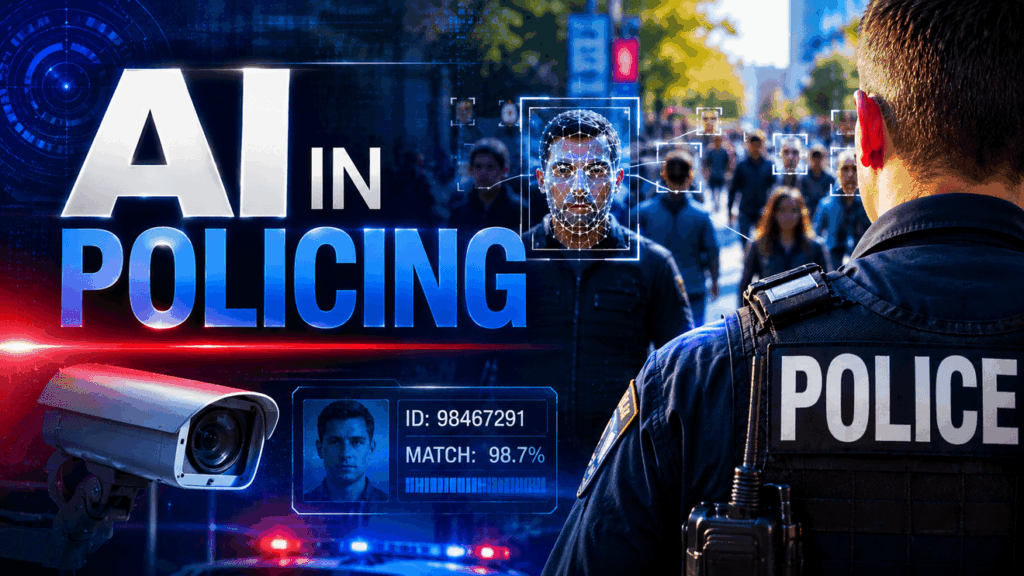
RENO, Nev. — Artificial intelligence is becoming more common in law enforcement, with agencies across the country using technology designed to help officers identify suspects, analyze information and respond faster.
But a federal lawsuit filed in Nevada is raising new questions about what happens when that technology gets it wrong.
The case, Killinger v. Jager/City of Reno, centers on an incident at the Peppermill Resort Spa Casino in Reno, where Jason Killinger was detained after facial recognition software allegedly misidentified him as a banned individual.
According to court filings, police detained Killinger for identification after receiving the facial recognition alert. Fingerprints later confirmed he was not the person flagged by the system, and he was released.
The lawsuit, filed in U.S. District Court in Nevada, alleges false arrest and unlawful detention under the Fourth Amendment. The complaint also claims officers relied too heavily on facial recognition technology without proper verification.
RELATED: Baltimore County police release body cam of teen being detained, AI mistakes chips for gun
RELATED: Increased use of artificial intelligence in police work could cause problems in cases
The case has since been expanded to include the City of Reno as a defendant, raising broader questions about law enforcement policies, officer training, and safeguards surrounding the use of artificial intelligence.
Experts interviewed by News 4 said the risks tied to facial recognition technology go beyond simple mistakes.
“When these systems are wrong, the consequences are falling on real people,” said Drew Simshaw, a professor at the UNLV William S. Boyd School of Law.
Simshaw said concerns include privacy, constitutional protections, and the possibility that some facial recognition systems may perform less accurately across different demographic groups, including people of color.
“There could be Fourth Amendment concerns around tracking individuals’ past or even real-time movements,” Simshaw said.
Jorge Fonseca, an assistant professor of computer science at UNLV, said facial recognition systems are designed to search databases and flag potential matches, but warned the technology is still imperfect.
“It’s only getting more accurate, but it’s never going to be perfect,” Fonseca said.
According to federal oversight data, 20 of 42 federal law enforcement agencies reported using facial recognition technology, with 14 saying it is used directly in criminal investigations.
The lawsuit remains ongoing. No settlement or final ruling has been issued.
News 4 reached out to the attorney representing Killinger, as well as the Reno Police Department. Both declined to comment, citing ongoing litigation.